
Nathaniel Brooks
Analytical Biochemistry Editor
Analytical Chemistry & Peptide Characterization
NovaEvum Research Editorial
Education
- Chemistry, University of British Columbia
- Analytical Chemistry, Massachusetts Institute of Technology
Nathaniel Brooks covers analytical biochemistry, peptide characterization and laboratory testing methods for NovaEvum Research Editorial.
This specialization examines chromatography, mass spectrometry, molecular identification and the interpretation of research material documentation.
Articles explore how analytical methods contribute to scientific reproducibility, chemical characterization and the evaluation of peptide research materials. The editorial content draws on scientific methods and relevant literature from institutions, including the Massachusetts Institute of Technology and other analytical research centres.
Topics covered
- HPLC
- LC-MS
- Mass spectrometry
- Purity testing
- Peptide identification
- Certificates of analysis
Research categories
University references in NovaEvum Research Editorial describe institutions whose published scientific literature may be examined in our editorial coverage. These references do not imply that NovaEvum or its authors are affiliated with, endorsed by, or collaborating with those institutions.
18 articles under this name
 IllustrationGeneral8 min readPeptide Research in Canada: New Developments Shaping Quality Standards in 2026Canada's peptide research landscape in 2026: the November Health Canada advisory, HPLC and mass spectrometry, batch traceability, and why…Read article
 IllustrationTesting, quality and handling10 min readAmino Acid Analysis of Peptides: What Composition Can and Cannot ProveHow amino acid analysis works, what hydrolysis destroys, and why composition establishes net peptide content but never the order of the…Read article
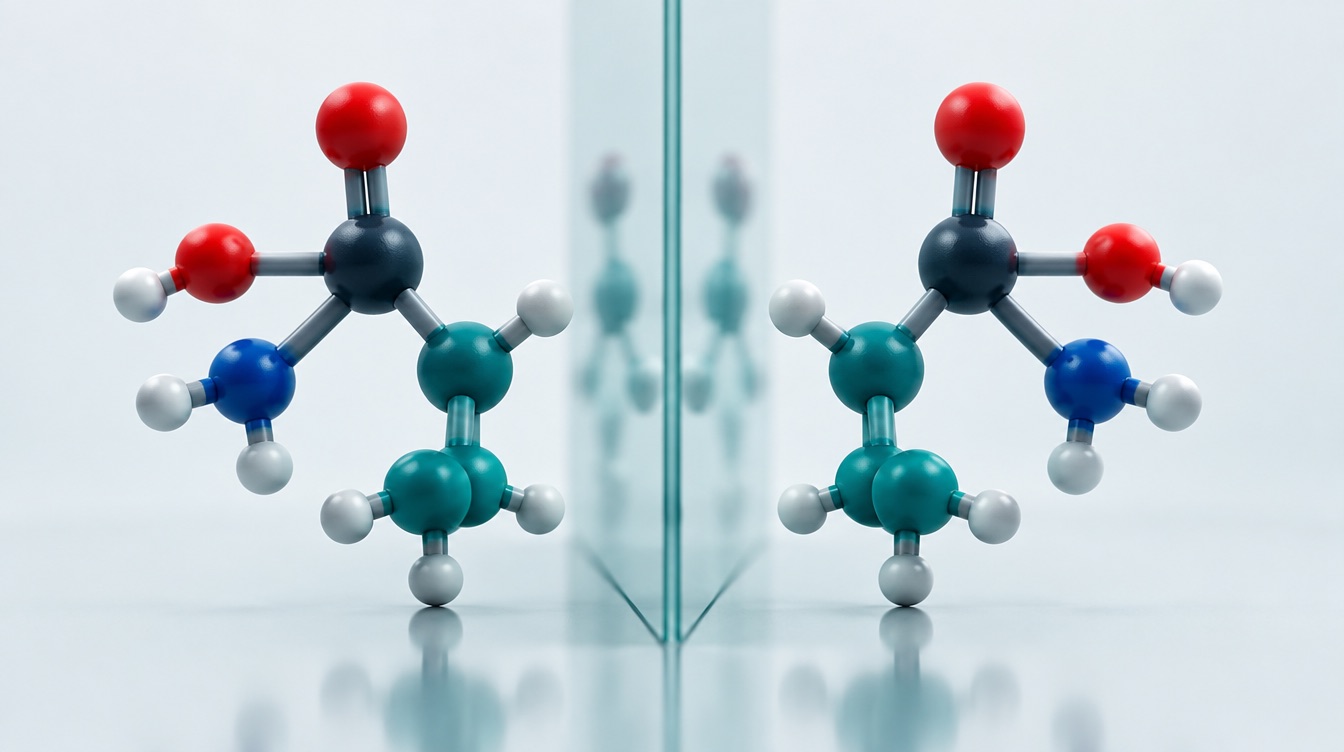 IllustrationTesting, quality and handling10 min readD-Amino Acids in Peptides: Chirality, Protease Resistance and RacemisationWhy a mirror-image residue resists proteases, where D-amino acids appear in designed peptides, and how chiral purity is actually measured.Read article
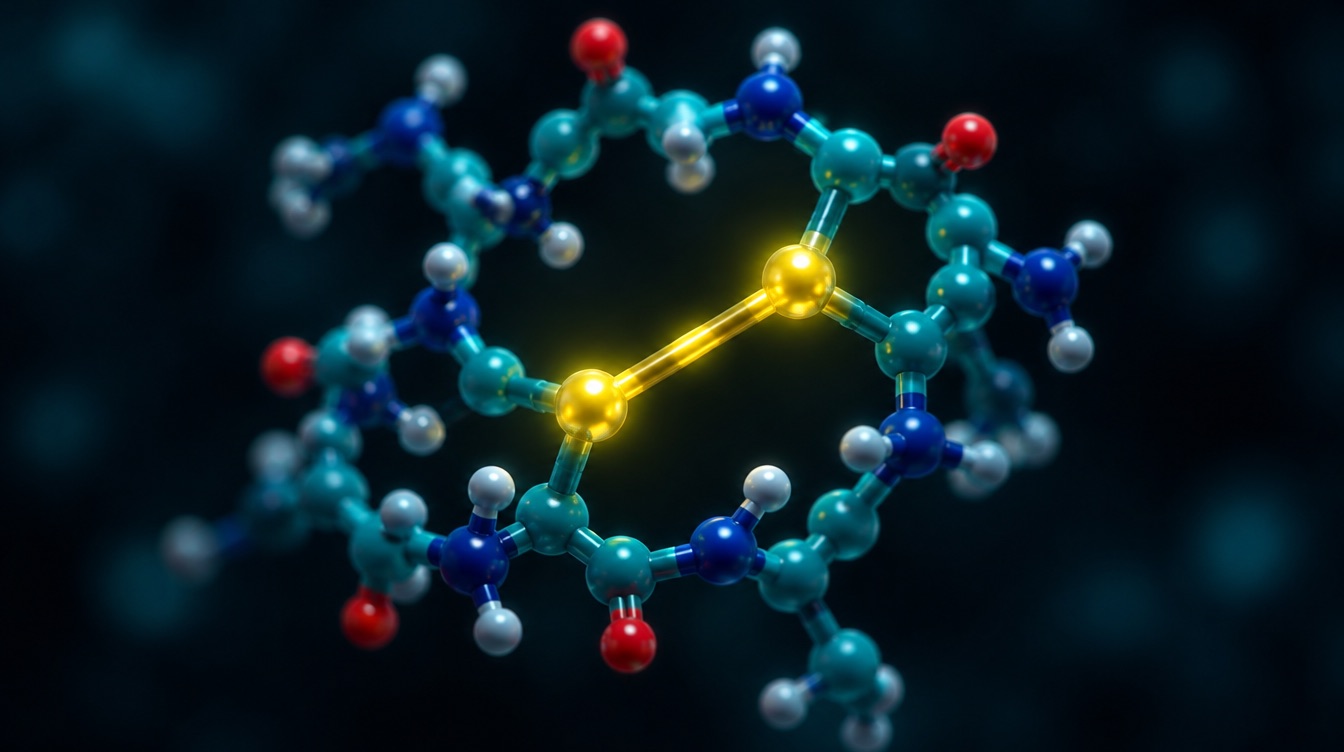 IllustrationTesting, quality and handling9 min readDisulfide Bonds in Peptides: Formation, Scrambling and How Connectivity Is VerifiedHow cysteines pair into disulfide bridges, why the wrong pairing weighs the same as the right one, and the methods that establish which is…Read article
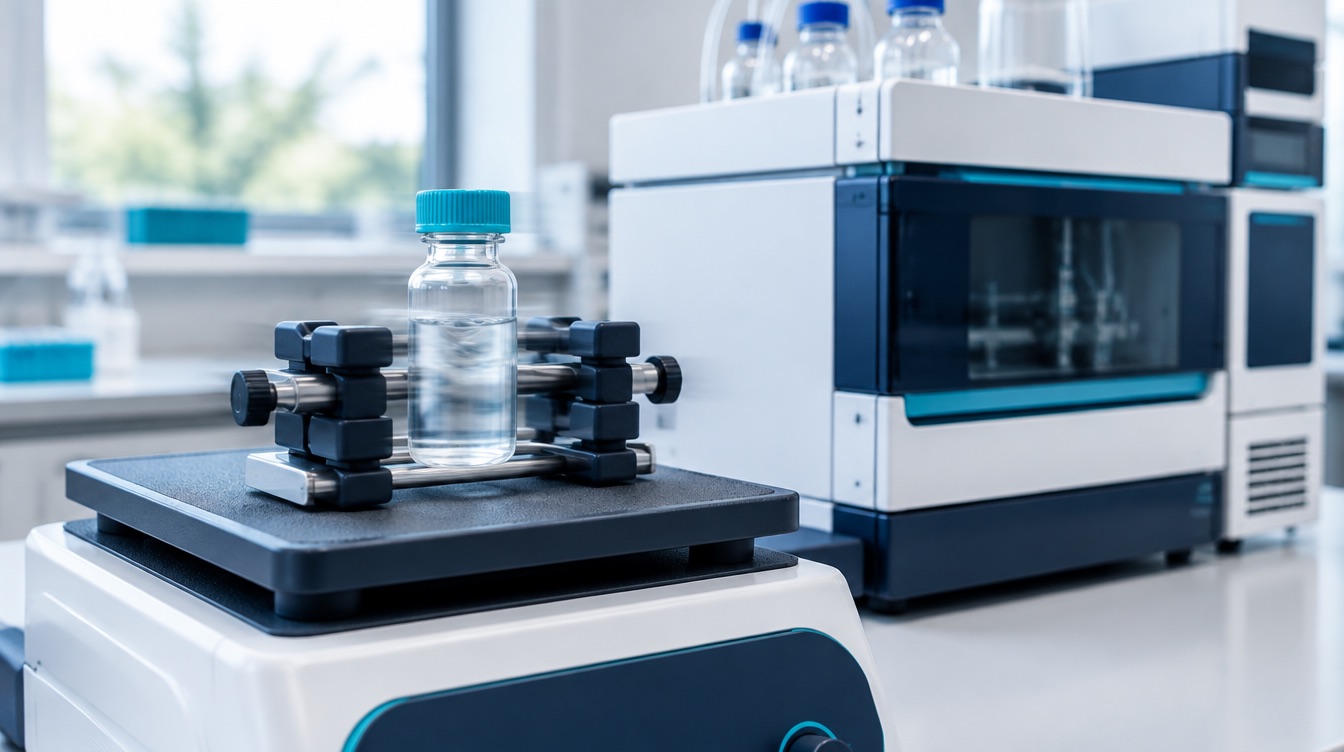 IllustrationTesting, quality and handling10 min readDoes Shaking Damage Peptides? What Agitation Does and How It Is DetectedAgitation stresses a peptide mainly at the air–liquid interface, not by shear. Which sequences are vulnerable, and which tests can see the…Read article
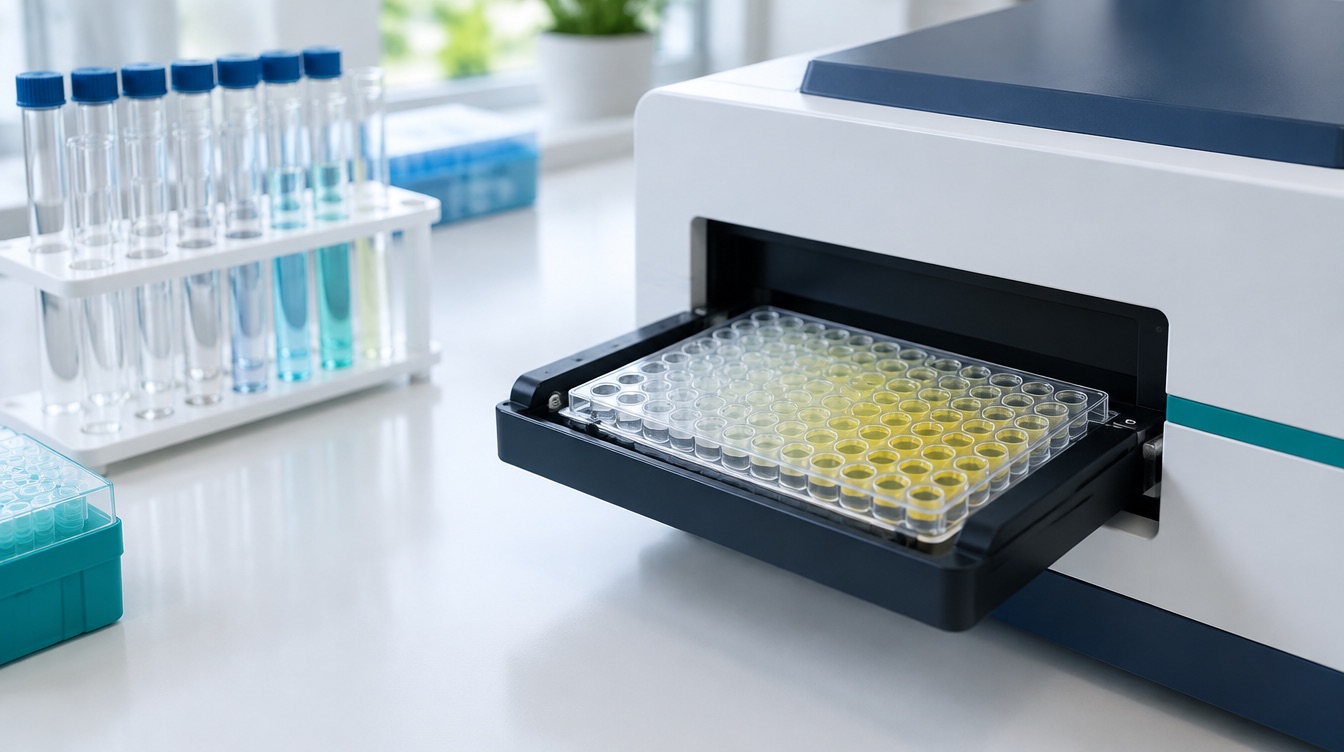 IllustrationTesting, quality and handling9 min readEndotoxin Testing for Peptides: LAL, Recombinant Factor C and What Purity MissesWhat bacterial endotoxin is, how LAL and recombinant factor C assays detect it, what an EU figure means, and why HPLC purity cannot see it.Read article
 IllustrationTesting, quality and handling9 min readPeptide COA grading: a transparent checklist instead of a single scoreA reproducible checklist for grading a peptide certificate of analysis on authenticity, identity, method, content and gaps, and why one…Read article
 IllustrationTesting, quality and handling10 min readPeptide Degradation: Oxidation, Deamidation, Hydrolysis and Aggregation ExplainedThe main chemical and physical routes of peptide degradation, which sequences and conditions drive each, and which analytical method…Read article
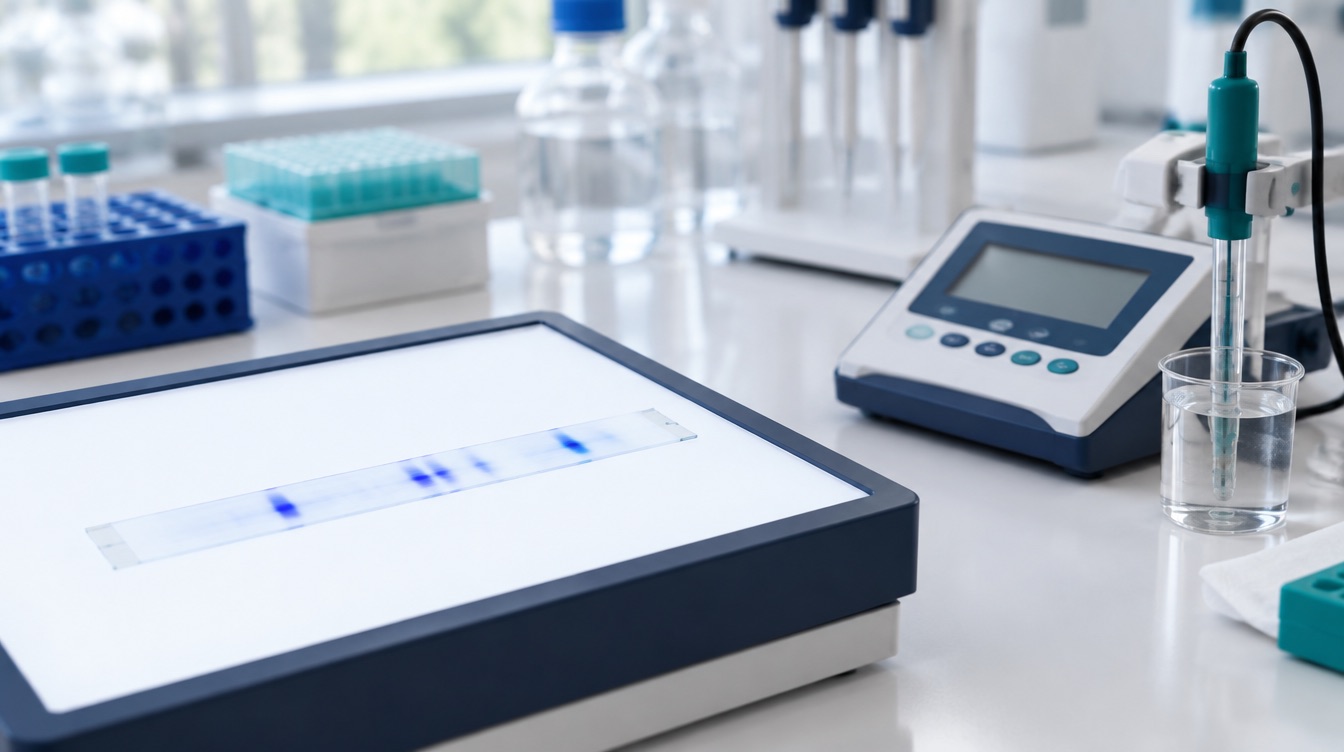 IllustrationTesting, quality and handling10 min readPeptide Isoelectric Point and Net Charge: What pI Predicts and What It Does NotHow a peptide's pI follows from its sequence, and what net charge governs: solubility, adsorption to glass and plastic, and chromatographic…Read article
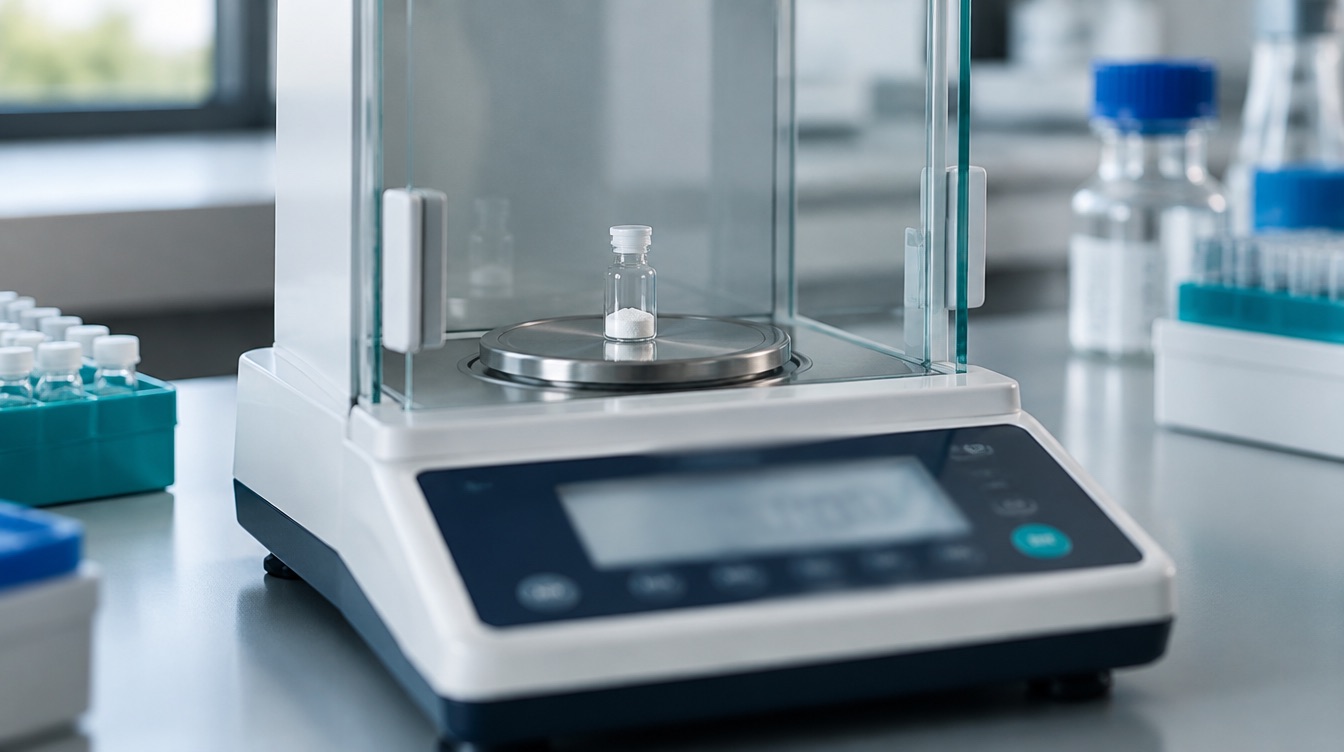 IllustrationTesting, quality and handling9 min readPeptide Net Content vs Purity: Why a Vial Holds Less Peptide Than Its LabelPurity is the main peak's share of what HPLC sees; net content is the peptide's share of the powder's mass. Why the two differ.Read article
 IllustrationTesting, quality and handling10 min readPeptide Sequencing by Tandem Mass Spectrometry: b Ions, y Ions and What They ProveHow MS/MS reads a peptide's sequence from fragment masses, what CID, HCD and ETD each break, and why an intact mass alone confirms very…Read article
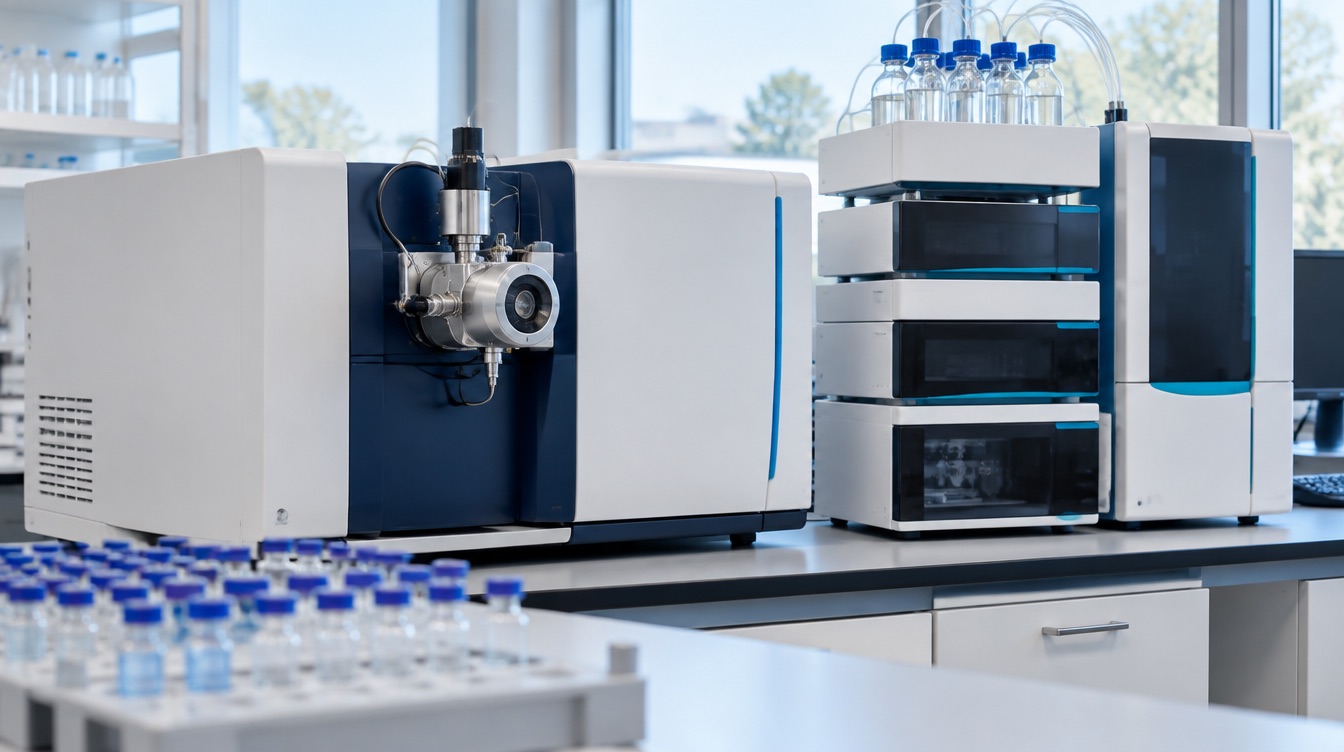 IllustrationTesting, quality and handling10 min readThird-party peptide testing in Canada: how to judge a vendor's testing programmeWhich tests a credible programme runs, what ISO/IEC 17025 accreditation means and how to check it, and why per-lot testing and sample…Read article
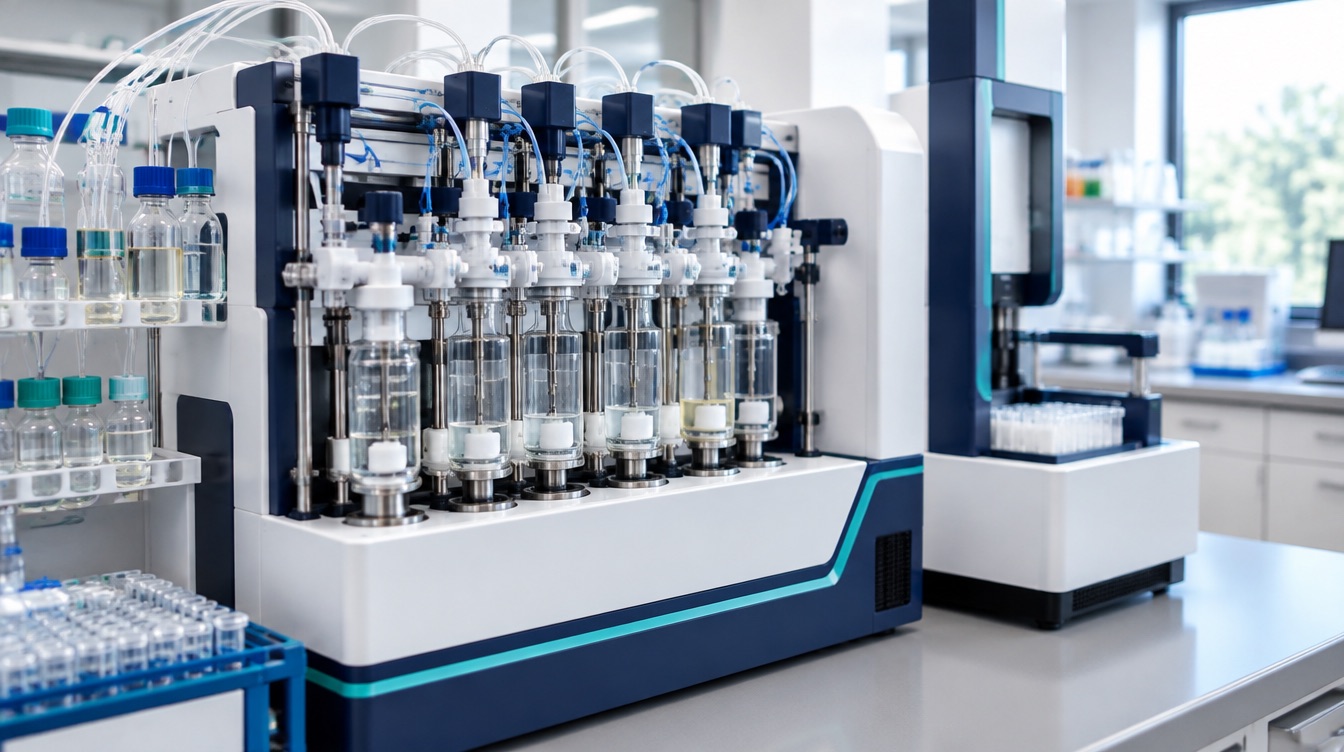 IllustrationTesting, quality and handling10 min readSolid-Phase Peptide Synthesis Explained: Fmoc, Boc and the Impurities Each Step LeavesHow solid-phase peptide synthesis builds a chain on resin, Fmoc versus Boc chemistry, and which impurity each step creates and a…Read article
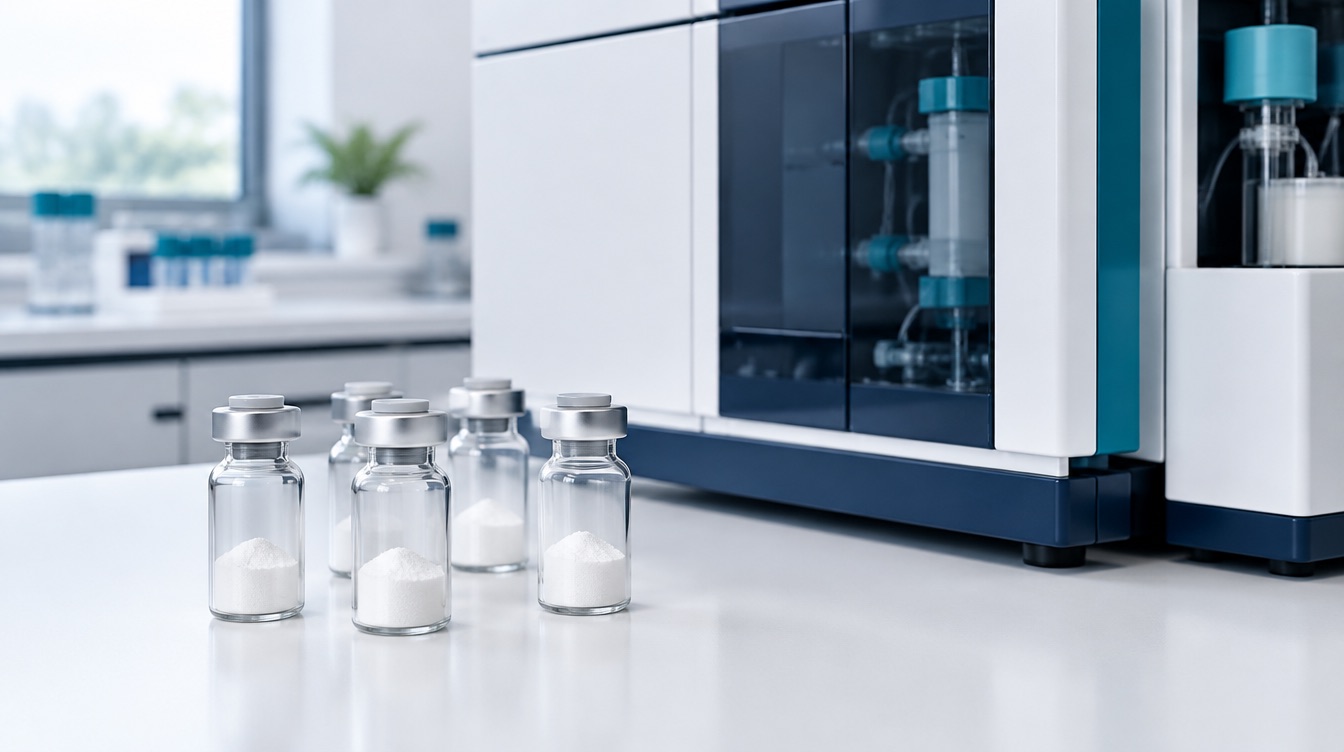 IllustrationTesting, quality and handling11 min readTFA Salt Peptides: Why Trifluoroacetate Is There and When It MattersWhy synthetic peptides arrive as TFA salts, what exchange to acetate or chloride changes, how residual TFA is measured, and why cell assays…Read article
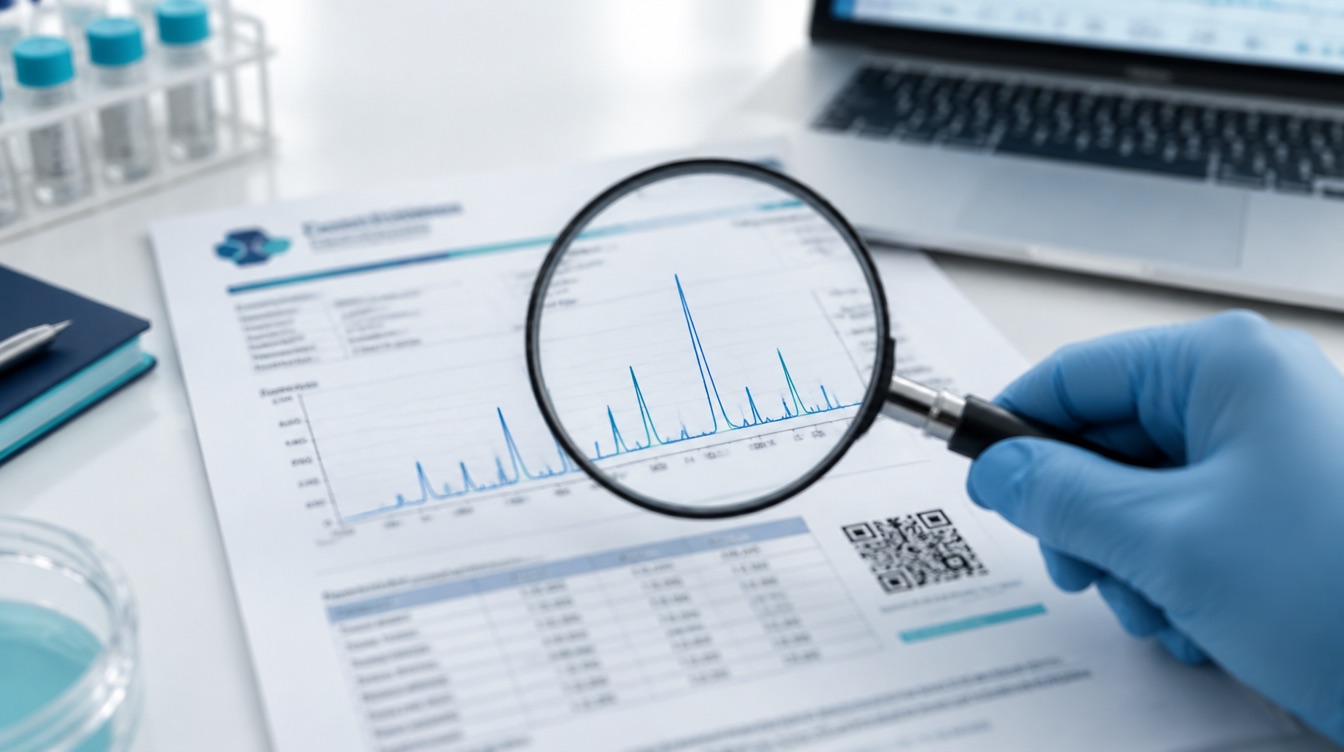 IllustrationTesting, quality and handling10 min readHow to verify a peptide COA: is this certificate real, and is it about your vial?Confirm the report with the laboratory that issued it, match its lot to the vial, and spot the signs of an edited or recycled certificate.Read article
 IllustrationTesting, quality and handling7 min readHPLC and LC-MS in peptide testing: what each method can actually seeHPLC answers how much. Mass spectrometry answers what. Neither answers the other, and a report with only one of them has a blind spot you…Read article
 IllustrationTesting, quality and handling7 min readLyophilised peptides: what the cake is, and what degrades itFreeze-drying buys stability by removing water. What the dried cake is, the chemistry still proceeding inside it, and why no expiry is…Read article
 IllustrationTesting, quality and handling7 min readWhat a peptide certificate of analysis establishes, and what no certificate canA certificate reports on one batch, on one day, from a laboratory the seller chose and paid. What each test measures, and the gaps none of…Read article