
NovaEvum research news · Week of 9 November 2026
This Week in Research: Tirzepatide, BPC-157, MOTS-c and Thymosin Alpha-1
From the NovaEvum research desk · 9 papers from PubMed
Nine new papers on compounds we carry crossed our desk this week, and the most useful ones are the least flashy. Three on tirzepatide ask what happens after the headline result: what it does to the gut's bacteria, what happens to body weight when people stop, and a hospital case that raises a new safety question. There is a BPC-157 review on the liver, a large ICU cohort on thymosin alpha-1, an athlete study on MOTS-c, and two reviews that put retatrutide, tesamorelin and copper peptides in context. What follows is our read of what each one examined and how far it goes.
- 2026 Nov
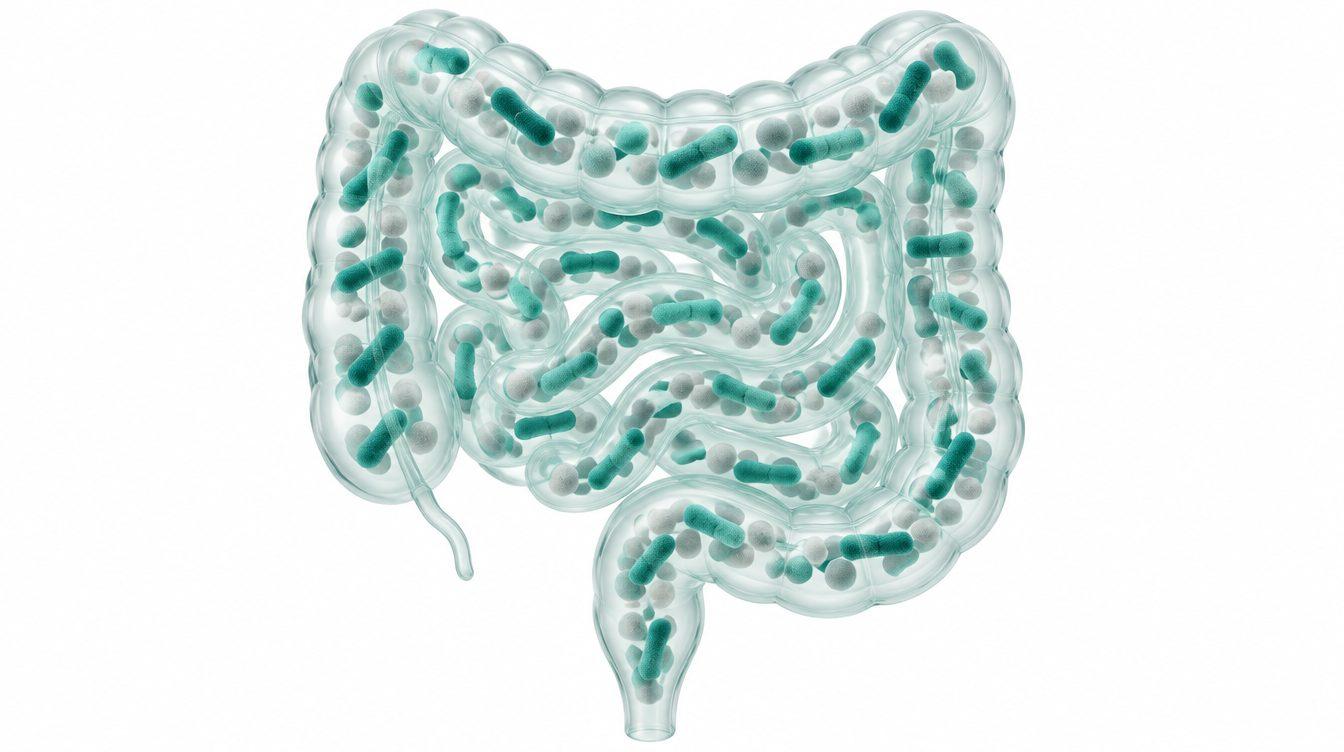
A question we get often: do incretin drugs change the gut microbiome? This group went back to stool samples from 36 people with type 2 diabetes in a randomised trial of tirzepatide, semaglutide or usual care, collected five times over 16 weeks. Overall community structure did not differ between groups, but bacterial diversity rose mainly in the tirzepatide arm, and a handful of genera shifted with both drugs. Worth reading for what it is: an exploratory re-analysis of a small trial, built on 16S sequencing and predicted rather than measured function. It is a map of where to look next, not an explanation of how the drugs work.
Longitudinal Taxonomic and Predicted Functional Gut Microbiome Responses to Tirzepatide and Semaglutide: An Exploratory Secondary Analysis of the OMDOT-1 Randomized Controlled Trial.. Diabetes Obes Metab, 2026 Nov. PMID 43000189
- 2026 Oct
This is the review we would point anyone to before reading another headline about incretin drugs. It gathers 18 reports on what happens when people stop. In the randomised withdrawal trials, weight came back: about 14% over a year after switching from tirzepatide to placebo in SURMOUNT-4, and about two-thirds of the prior loss within a year of stopping semaglutide in the STEP 1 extension. The authors did not pool the studies because their designs differ too much, and they are clear that the evidence on how to maintain results after stopping is thin.
Weight Regain After Discontinuation of GLP-1 and GIP/GLP-1 Receptor Agonists: A Systematic Review.. Metabolites, 2026 Oct. PMID 42941232
- 2026 Sep
A single case, and we include it because safety signals start this way. A 63-year-old woman with several existing conditions, a prior episode of ischaemic colitis and worsening constipation on tirzepatide developed ischaemic colitis serious enough to need surgery. One case cannot show cause, and her history already put her at risk. What it does is put a specific question on the record: whether constipation and a past bout of colitis should prompt closer attention in people on these drugs.
Ischemic Colitis in the Setting of Tirzepatide Use: A Potentially Underrecognized Adverse Effect.. Cureus, 2026 Sep. PMID 42936270
- 2026 Nov
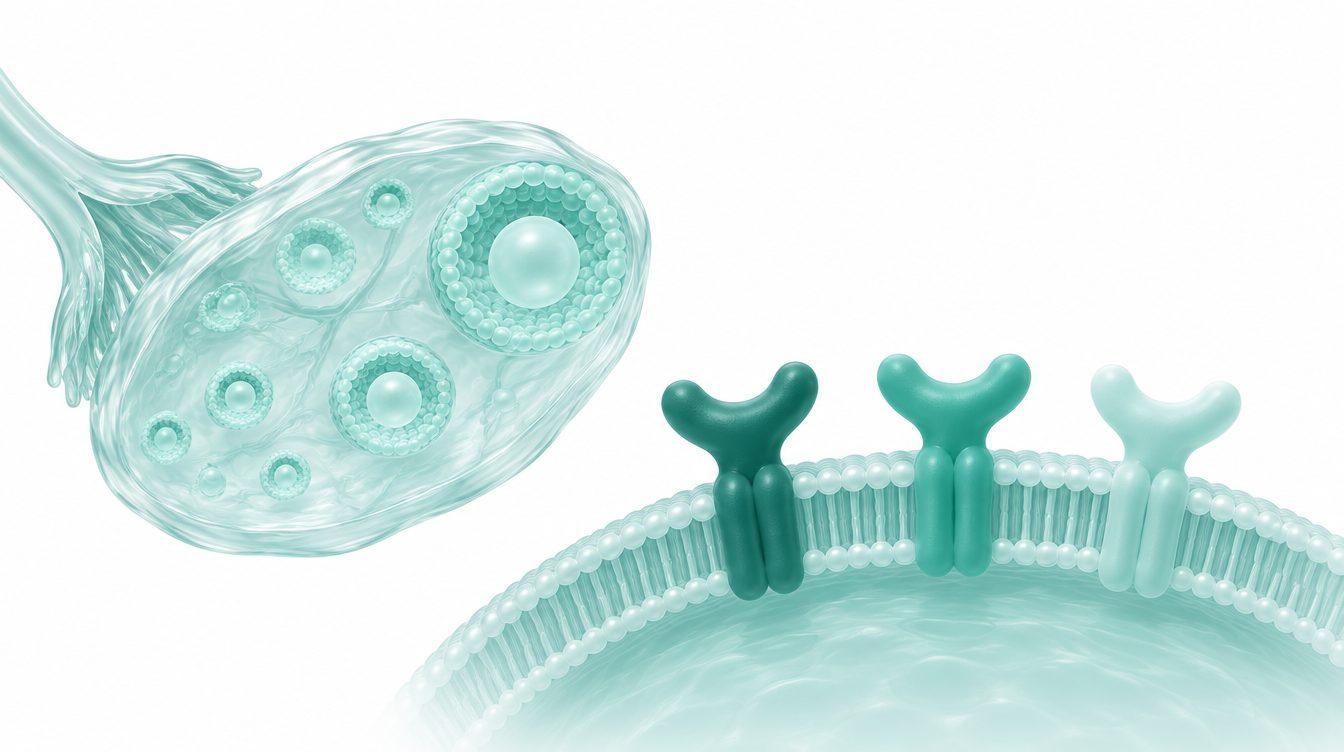
PCOS has a new name in this literature, polyendocrine metabolic ovarian syndrome, and this review walks through how incretin drugs fit it, from single GLP-1 agonists to tirzepatide's two receptors and retatrutide's three. The honest summary is the authors' own: the metabolic picture is well studied, the reproductive one is not. Whether any reproductive change survives once body weight is accounted for, or lasts after stopping, is still unknown, and they call for trials designed around the condition's different types.
Next-generation incretin therapeutics for polyendocrine metabolic ovarian syndrome: navigating current pipeline and clinical considerations.. Expert Opin Pharmacother, 2026 Nov. PMID 42978208
- 2026 Oct
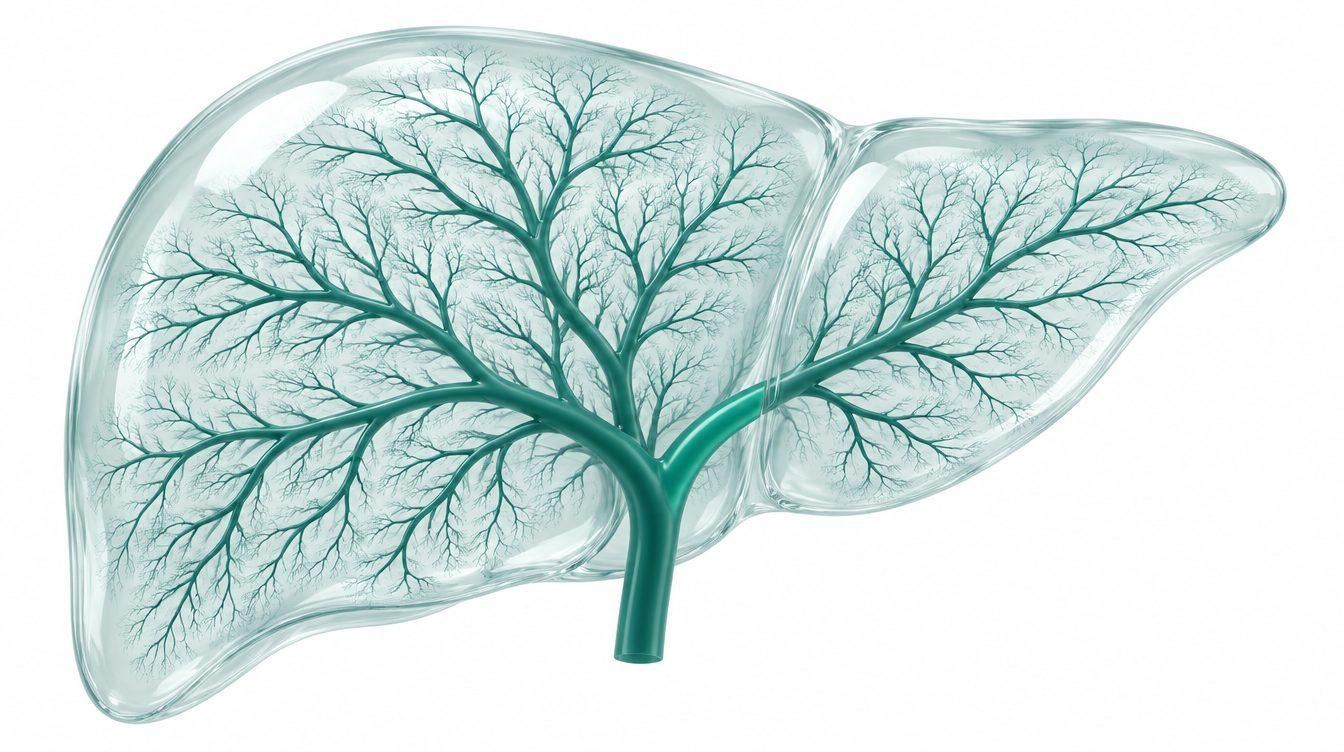
A long review of liver injury models in animals, setting BPC-157 beside N-acetylcysteine, ursodeoxycholic acid, statins and a dozen others across paracetamol, carbon tetrachloride, bile duct ligation and alcohol models. Two things to keep in mind as you read it. All of the BPC-157 evidence it discusses is from animals, and it comes from the same Zagreb group that has published most of the BPC-157 literature, which this paper is also from. Useful as a guide to that body of work; not a substitute for independent replication or human data, neither of which exists yet.
Possibilities for Cytoprotective Liver Therapy, Stable Gastric Pentadecapeptide BPC 157, and Standard Agents-A Narrative Review.. Pharmaceuticals (Basel), 2026 Oct. PMID 42943255
- 2026 Aug
Thymosin alpha-1 has a long history in intensive care in China, and this single-centre study looked back at 327 ICU patients with tuberculosis-related sepsis between 2017 and 2025. Those who were given it had a lower risk of death at 28 days after adjusting for their condition on admission. The key word is retrospective: doctors chose who got it, and no statistical adjustment fully removes that. It is a reason to run a randomised trial in this group, which the field has not yet done.
Association between thymosin α1 therapy and 28-day mortality risk in critically ill patients with tuberculosis-related sepsis: a retrospective cohort study.. BMC Infect Dis, 2026 Aug. PMID 42972235
- 2026 Oct
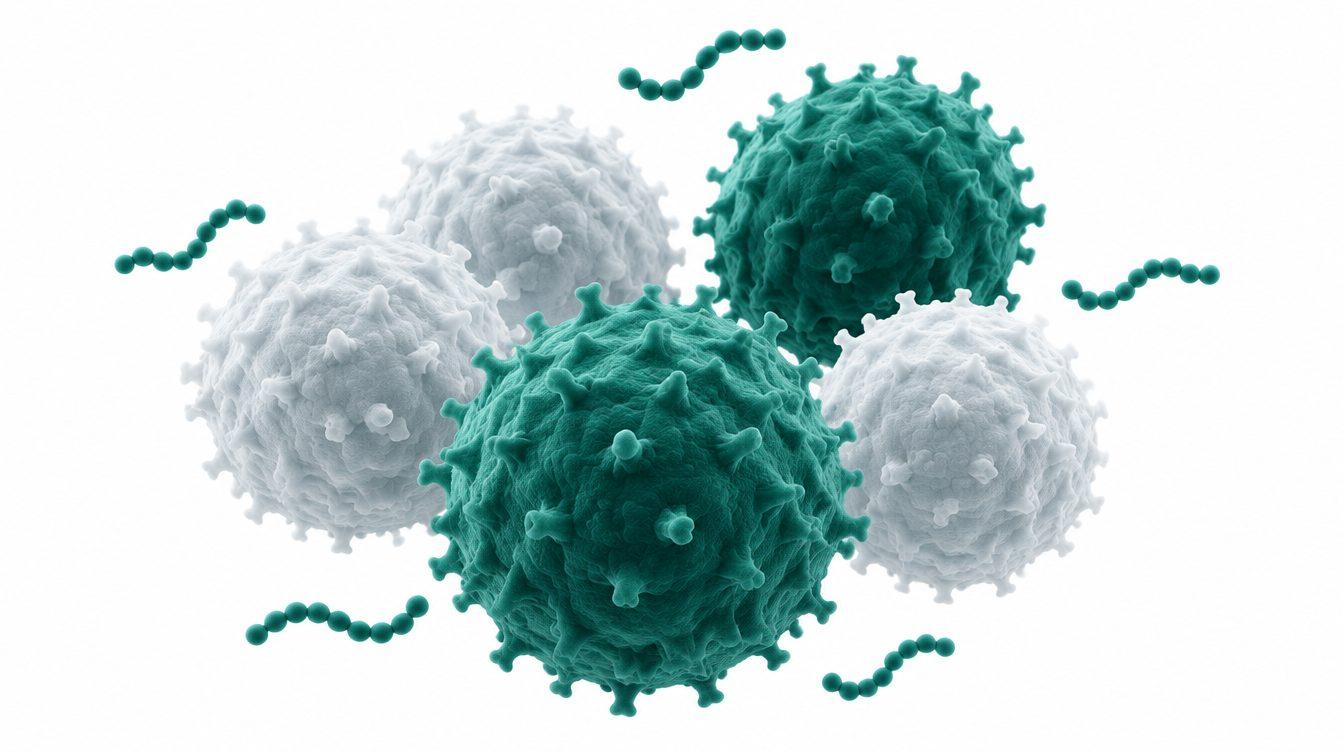
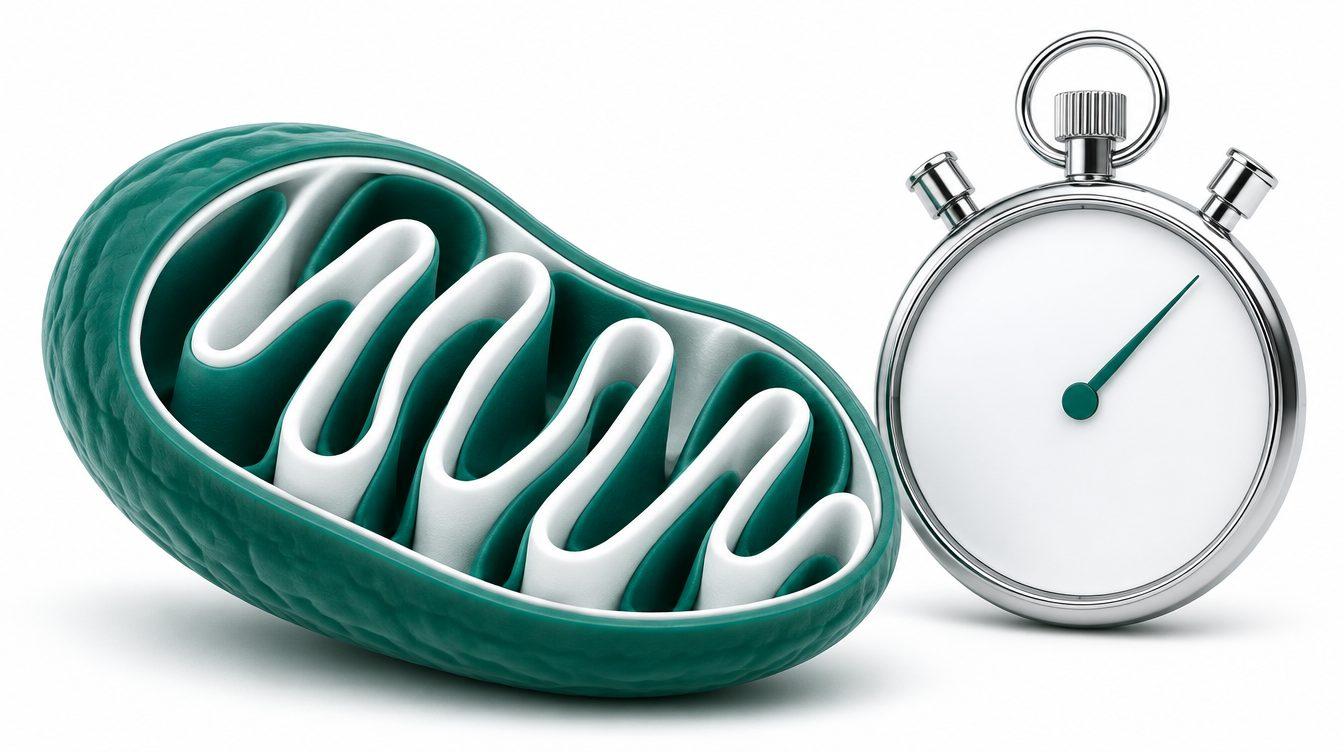
MOTS-c is a peptide the body makes itself, and this study measured how much of it circulates in 30 young men: ten elite track athletes, ten recreationally active and ten sedentary. Blood levels rose in step with fitness and tracked VO2max and antioxidant markers closely. A one-time snapshot of 30 people cannot say whether fitness raises MOTS-c or the reverse, and the authors say so. It adds to the picture of MOTS-c as an exercise-linked signal made by our own mitochondria, which is a different question from what a supplied peptide does.
Associations of Serum MOTS-c with Exercise Capacity and Antioxidant Markers in Young Males: A Cross-Sectional Study.. Antioxidants (Basel), 2026 Oct. PMID 42939841
- 2026 Nov
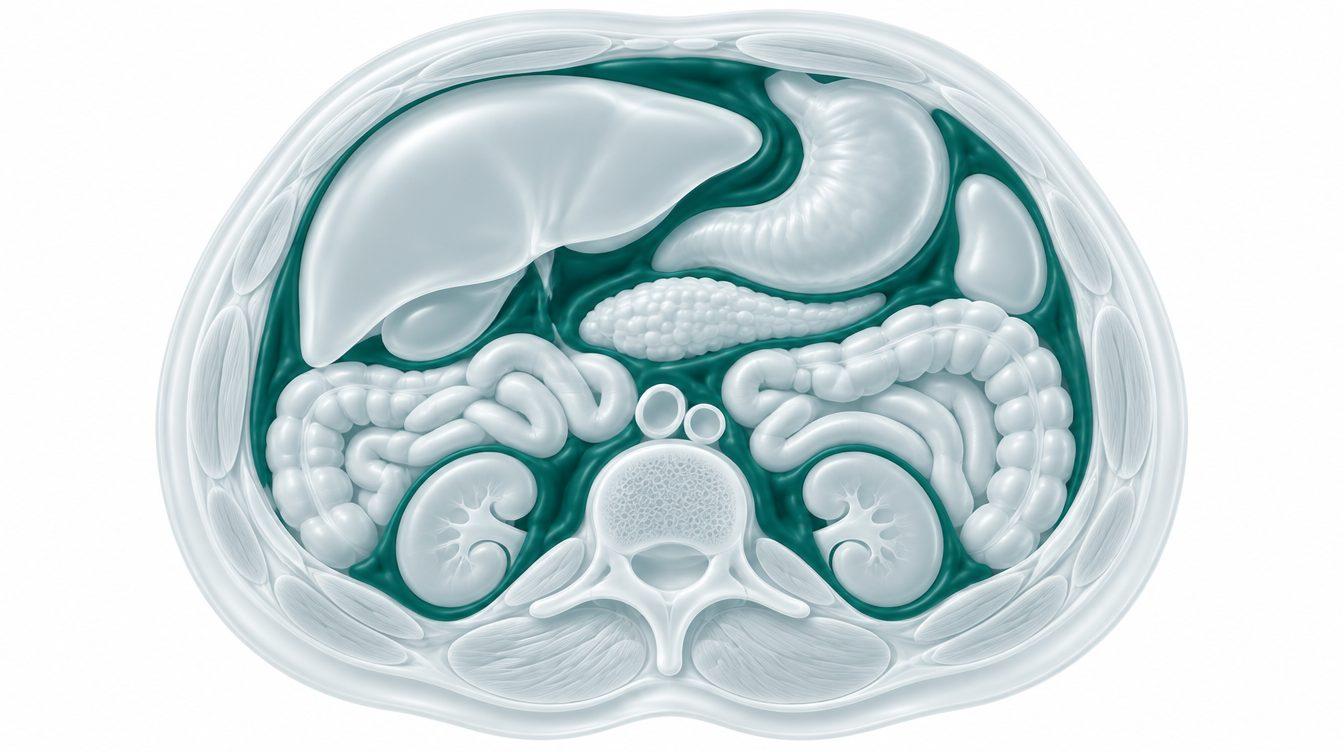
Tesamorelin's original approval was for one narrow purpose: excess abdominal fat in people with HIV. This Lancet HIV review is about the bigger problem that has grown since, with weight gain on modern antiretrovirals now so common that nearly half of people with HIV live with obesity. It places tesamorelin's older trial record beside the newer GLP-1 evidence and lists what is missing, above all trials in this population large enough to measure heart and kidney outcomes.
Weight management in people with HIV.. Lancet HIV, 2026 Nov. PMID 43000036
- 2026 Oct
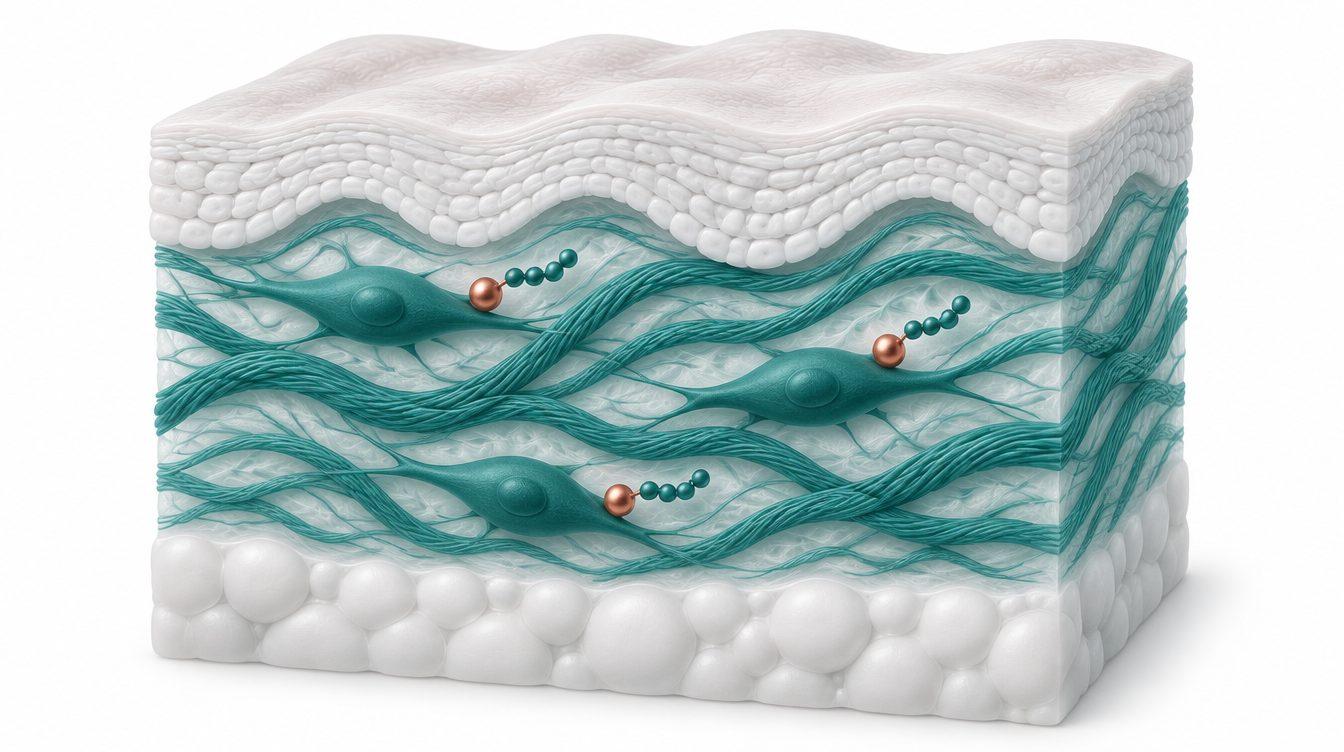
A sorting exercise we wish more of this field did. The review separates skin peptides by what they are and what they act on, with copper-binding peptides such as GHK-Cu in the group that acts on the matrix around fibroblasts in laboratory systems. Its warnings are the useful part: many human studies are small, short, industry-funded or test multi-ingredient products, delivery systems muddy which ingredient did what, and results for one peptide or format should not be assumed for another. It also notes that the literature sets no shared standard for purity or shelf life.
Peptides in Aesthetic Dermatology: Classification, Fibroblast-Centered Mechanisms, Delivery Technologies, and Clinical Evidence.. Life (Basel), 2026 Oct. PMID 42942246
Each week NovaEvum reads the papers newly indexed on PubMed for the compounds we supply. Our summaries describe what each study examined and are not claims about any product, and paper titles are the authors’ own. Everything NovaEvum supplies is for laboratory research use only.