
Research peptides · Canada
Healing and recovery research peptides
10 compounds in Healing & recovery
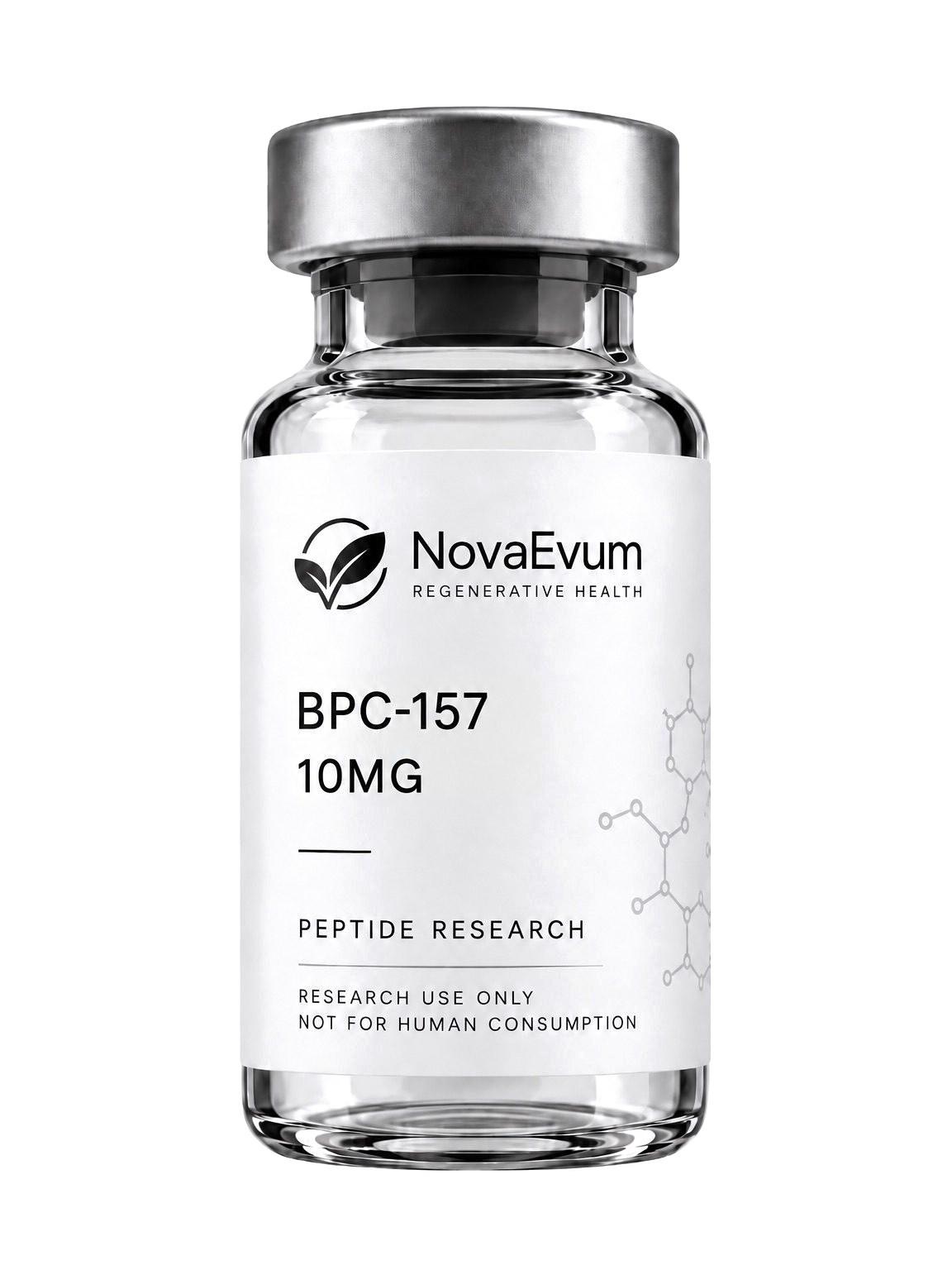 CAS 137525-51-0
BPC-157
10 mgLyophilized99.56%
From$65.00 CAD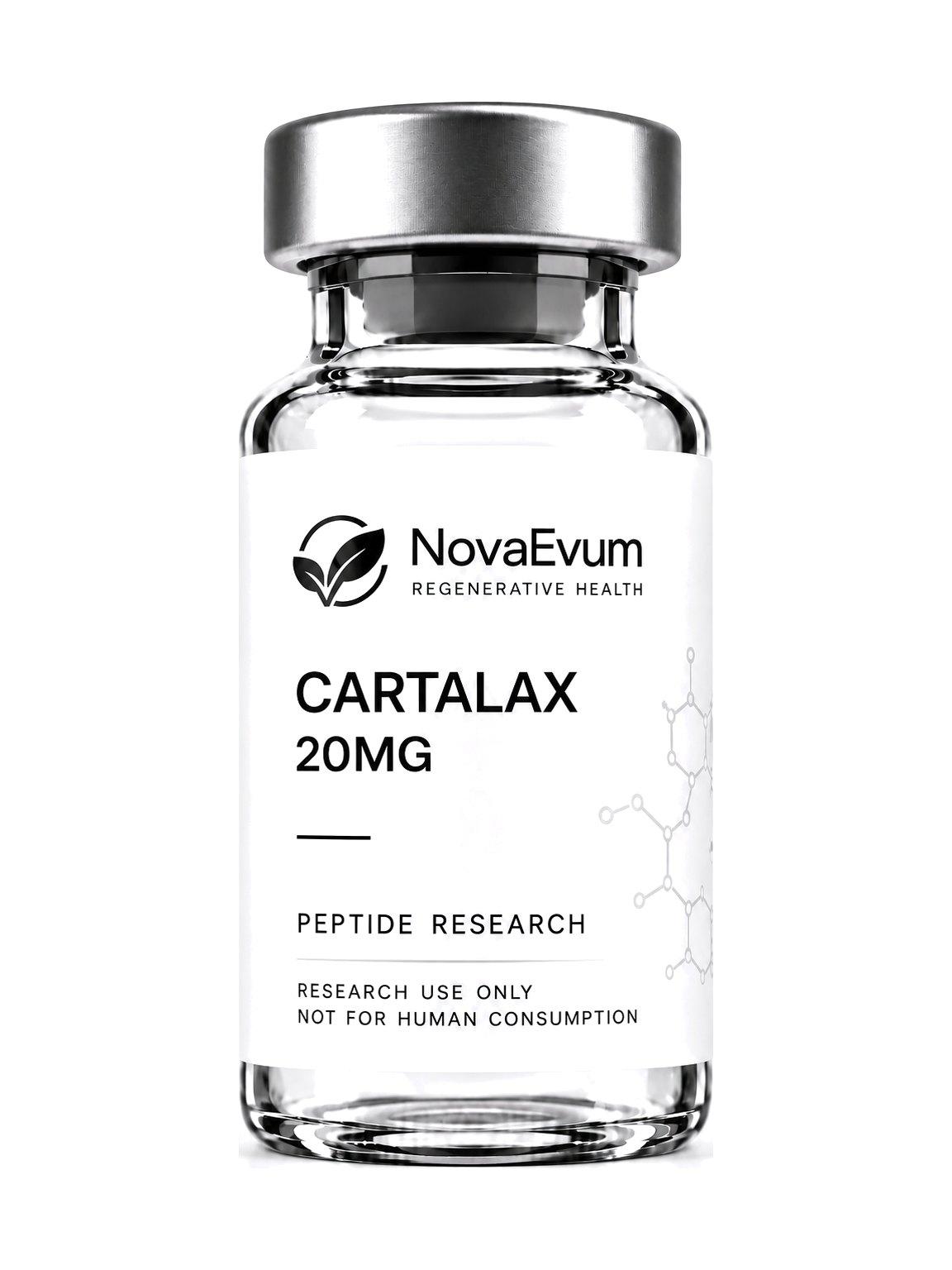 CAS pending
Cartalax
20 mgLyophilized99.79%
From$60.00 CAD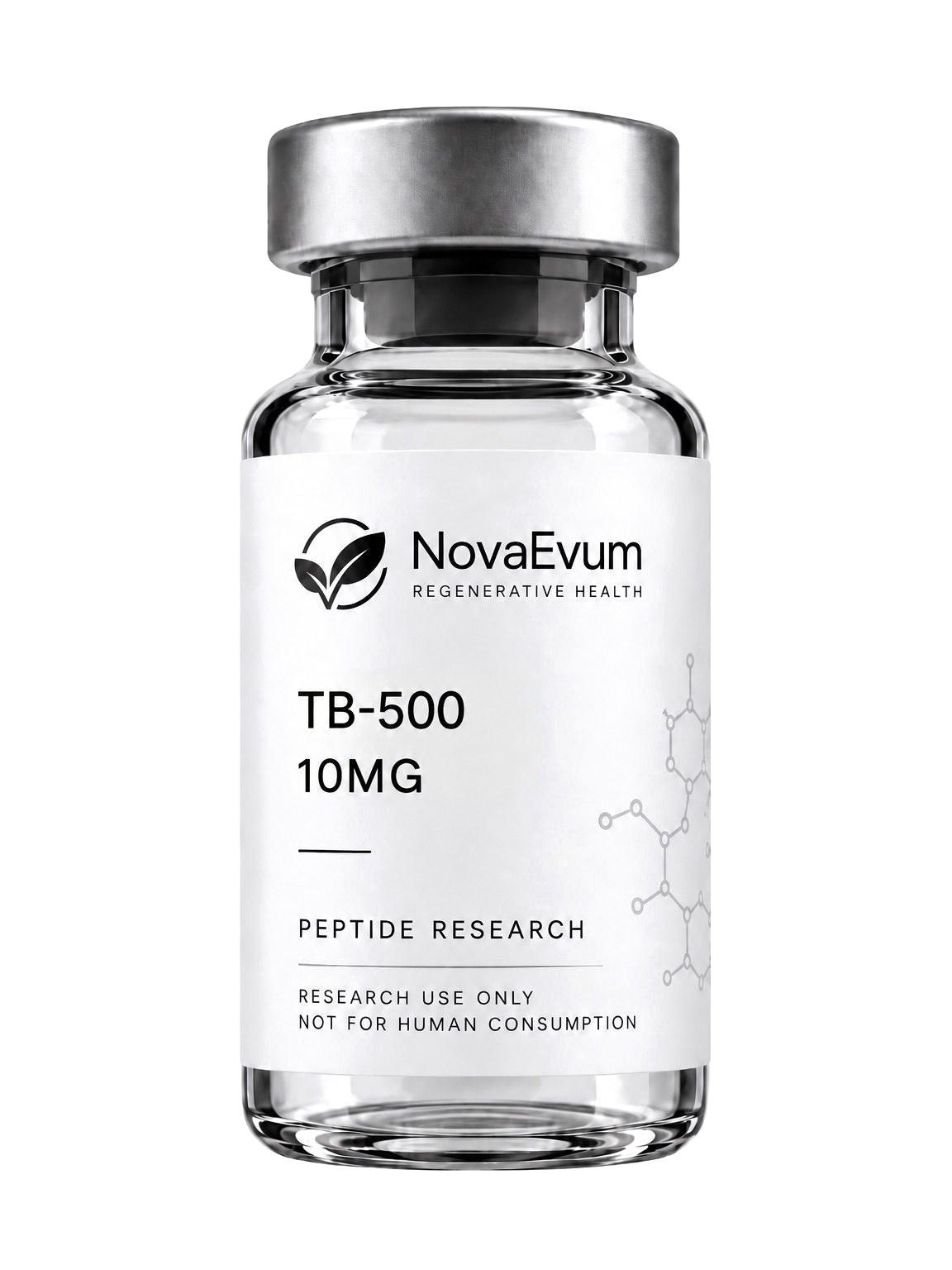 CAS 77591-33-4
TB-500
10 mgLyophilized99.18%
From$70.00 CAD Blend
Wolverine Stack
5 mg + 5 mgLyophilized99.64%
From$70.00 CAD Blend
Deadpool Blend
30 mgLyophilized99.87%
From$100.00 CAD CAS 67727-97-3
KPV
10 mgLyophilized99.9%
From$50.00 CAD CAS 62304-98-7
Thymosin Alpha-1
10 mgLyophilized99.75%
From$70.00 CAD CAS 63958-90-7
Thymulin
20 mgLyophilized99.79%
From$60.00 CAD CAS 37221-79-7
VIP
10 mgLyophilized99.13%
From$70.00 CAD CAS 1208243-50-8
ARA-290
16 mgLyophilized99.73%
From$80.00 CAD
Healing and recovery research peptides in Canada
BPC-157, TB-500, KPV, Cartalax, Thymosin Alpha-1, Thymulin, ARA-290 and VIP, with the Wolverine Stack and Deadpool Blend mixtures, supplied in Canada as lyophilised research material for laboratory use. The category name describes the research fields these compounds are studied in, not anything the material in a vial does.
A mostly animal literature
BPC-157 is a synthetic 15-amino-acid sequence described as derived from a protein in gastric juice. It has been examined almost entirely in rodent models of tendon, ligament, muscle and gastrointestinal injury, and much of that work comes from a small number of research groups. No controlled human trials have been published, and the concentration of the literature is itself a limitation worth reading about.
TB-500 is a synthetic fragment corresponding to part of thymosin beta-4, a protein that binds actin, and its literature concerns cell migration and actin dynamics in animal models. Data on the full protein is not data on the fragment. Both BPC-157 and TB-500 are prohibited in sport by WADA. The Wolverine Stack combines the two; the Deadpool Blend adds Cartalax. No study has examined either combination.
Short peptides: KPV and Cartalax
KPV is lysine-proline-valine, the C-terminal tripeptide of alpha-MSH. It is studied in rodent models of colitis and skin inflammation and in work on the NF-κB signalling pathway, including studies of nanoparticle formulations in mouse colitis. No controlled human trials have been published.
Cartalax is the tripeptide Ala-Glu-Asp, one of the short peptide "bioregulators" developed by Vladimir Khavinson’s group in St Petersburg. Its literature is small, comes largely from that one group, and has seen little independent replication: cell culture and tissue from aged animals, without controlled human trials.
Reading a rodent injury study
Most of what is published on BPC-157, TB-500 and KPV is a particular kind of experiment: an injury made under controlled conditions in a rat or mouse, such as a cut tendon, a crushed muscle or chemically induced colitis, followed by comparison with untreated animals. Results are read from histology, from biomechanical testing of the tissue, or from scoring scales applied by the investigators.
Three things decide how much such a study can carry. Group sizes are often small, sometimes fewer than ten animals per arm. Blinding of whoever scores the tissue is not always reported. And replication by an independent laboratory is the exception rather than the rule in this literature. None of that makes the work worthless, but it is the reason the evidence column below says "preclinical" rather than anything stronger, and the reason findings in a rat are not findings in a person.
The naming also needs care. "TB-500" has been used for more than one molecule, and the certificate for a lot, with its measured mass, is what tells you which one a vial contains.
Thymosin Alpha-1, the exception
Thymosin Alpha-1 is a 28-amino-acid peptide first isolated from a calf-thymus extract in the 1970s. Despite the name it is unrelated to TB-500: the thymosins were named for where they were found, not for a shared structure. It has human trial data, in viral hepatitis, as a vaccine adjunct and in critical care, of varying quality and largely from outside North America.
Thymulin is a different thymic peptide: a nine-residue zinc-dependent hormone first isolated as facteur thymique sérique. Its literature is mostly cell and rodent work on T-cell signalling, with a few older human studies of immune-cell markers. Papers sometimes use thymulin and thymalin as overlapping names; they are not the same material.
VIP, a neuropeptide of the gut and lung
VIP, vasoactive intestinal peptide, is a 28-amino-acid neuropeptide found throughout the gut, lungs and nervous system; aviptadil is its synthetic form. Its literature examines the VPAC1 and VPAC2 receptors in smooth muscle, intestinal secretion and immune cells. Randomised trials of aviptadil in COVID-19 respiratory failure missed their primary endpoints, and the largest was stopped for futility.
ARA-290, a peptide cut from erythropoietin
ARA-290, also called cibinetide, is an 11-amino-acid peptide modelled on one surface of erythropoietin and designed not to stimulate red-cell production. Its literature examines a complex of the erythropoietin receptor and CD131 in rodent injury and neuropathy models, and small phase 2 trials have enrolled people with sarcoidosis-associated small fibre neuropathy and with type 2 diabetes, measuring corneal nerve fibres and symptom questionnaires. Most of that work comes from the company that developed it and its collaborators.
Compare the compounds
| Compound | Molecule | Evidence reached | Sizes | Mol. weight | Certificate published |
|---|---|---|---|---|---|
| BPC-157 | 15-amino-acid synthetic peptide | Preclinical | 10 mg | 1419.5 g/mol | Every size |
| Cartalax | Tripeptide bioregulator | Preclinical, one research group | 20 mg | 333.3 g/mol | Every size |
| TB-500 | Thymosin beta-4 fragment | Preclinical | 10 mg | 4963.4 g/mol | Every size |
| Wolverine Stack | Two-component blend | None for the combination | 10 mg | Blend | Every size |
| Deadpool Blend | Three-component blend | None for the combination | 30 mg | Blend | Not yet |
| KPV | Alpha-MSH C-terminal tripeptide | Preclinical | 10 mg | 342.44 g/mol | Every size |
| Thymosin Alpha-1 | 28-amino-acid thymic peptide | Human trials, mixed quality | 10 mg | 3108.3 g/mol | Every size |
| Thymulin | Thymic nonapeptide | Preclinical, older human studies | 20 mg | 858.85 g/mol | Every size |
| VIP | 28-amino-acid neuropeptide | Human trials, primary endpoints missed | 10 mg | 3325.8 g/mol | Every size |
| ARA-290 | Erythropoietin-derived 11-mer | Small phase 2 trials | 16 mg | 1257.3 g/mol | Every size |
Every certificate is on the testing page, as the laboratory issued it. New to buying in Canada? Read how to check a research peptide supplier, or see what shipping research peptides across Canada involves.
Healing & recovery questions
- Has BPC-157 been studied in people?
- No controlled human trials have been published. Its literature is rodent injury models, much of it from a small number of research groups.
- Are TB-500 and Thymosin Alpha-1 related?
- No. Both are called thymosins because they were first found in thymus extracts, but they are different peptides with different sequences and separate literatures.
- What is the Wolverine Stack?
- A blend of BPC-157 and TB-500 in one vial. No study has examined the combination; each component has its own literature.
- What is a peptide bioregulator?
- The name given to a series of very short peptides, Cartalax among them, developed by one research group in St Petersburg. The literature on them is small and has seen little independent replication.
Research articles on these compounds
- BPC-157 vs TB-500: two unrelated peptides that keep being sold together6 min
- Inside the KLOW blend: the four components, and how far the literature on each one goes8 min
- Peptides explained: what they are, how they are made, and what their literature can establish8 min
- TB-500 and the heart: the cardiac papers are about thymosin beta-4, not the fragment7 min
- BPC-157 and TB-500: Exploring the Latest Tissue Repair Research in 20268 min
- In Vitro vs In Vivo: What Cell and Animal Studies Can Show9 min