
Research peptides · Canada
Growth hormone research peptides
5 compounds in Growth hormone peptides
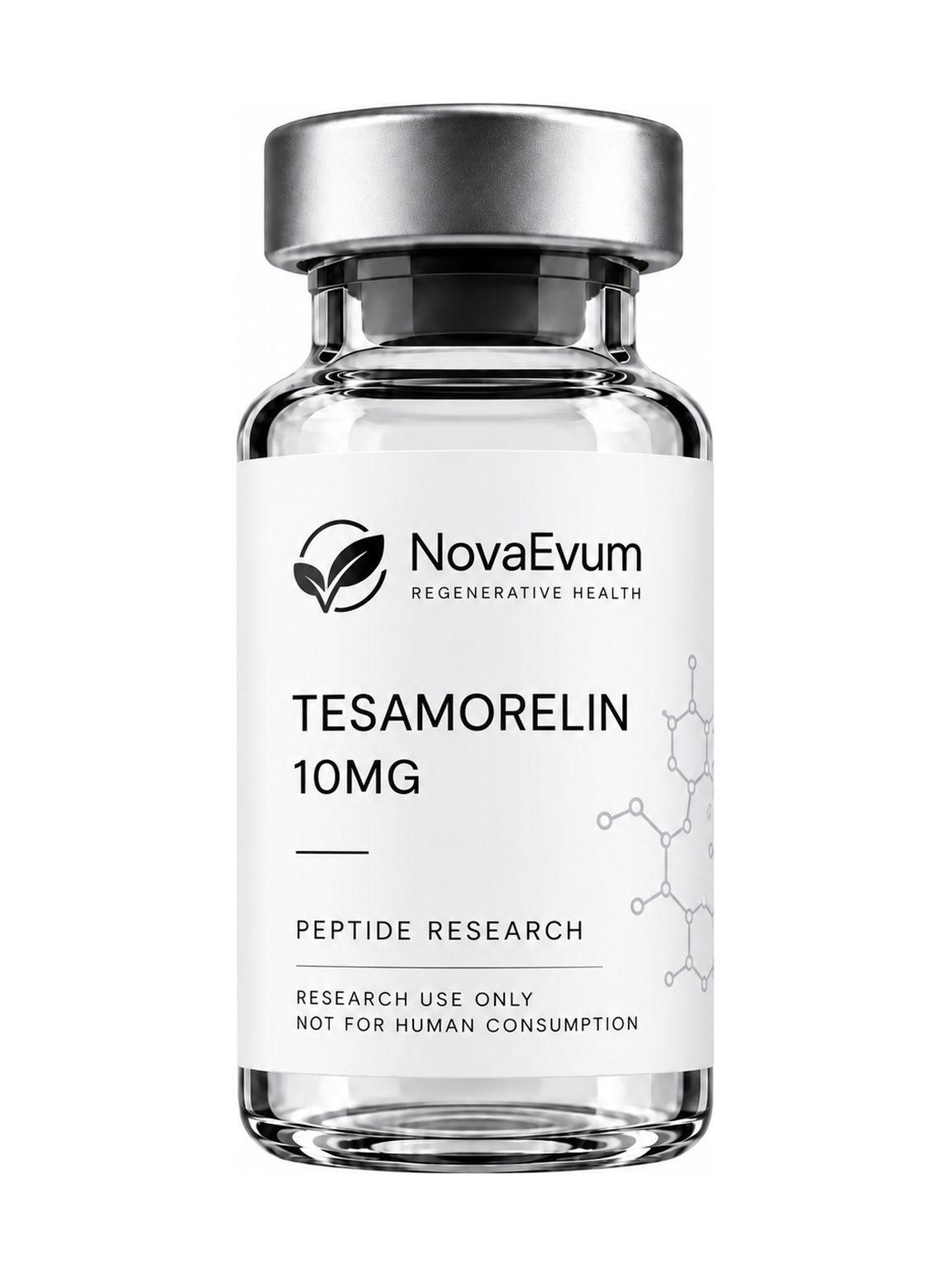 CAS 218949-48-5
Tesamorelin
10 mgLyophilized98.89%
From$90.00 CAD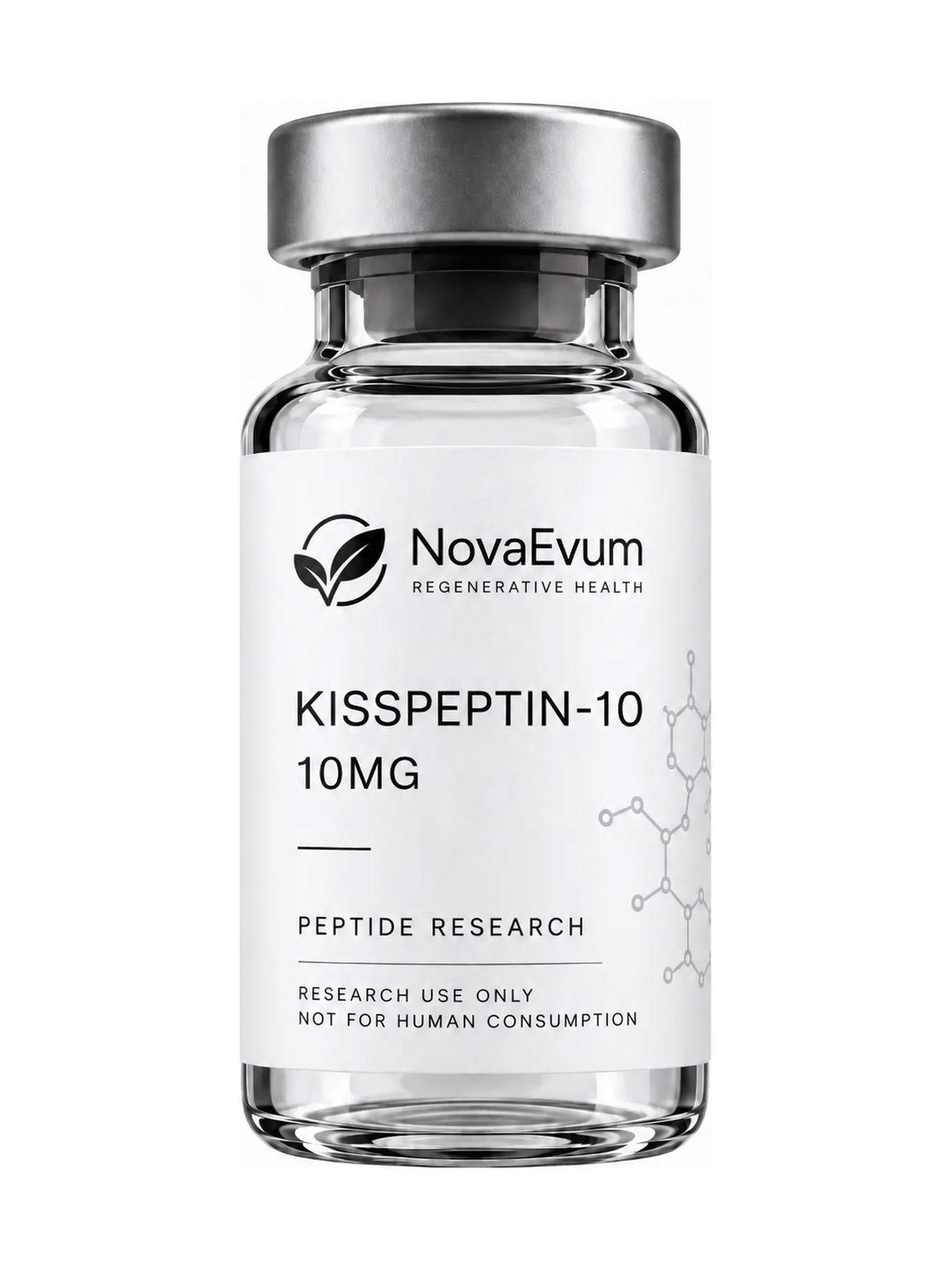 CAS 374675-21-5
Kisspeptin-10
10 mgLyophilized99.85%
From$80.00 CAD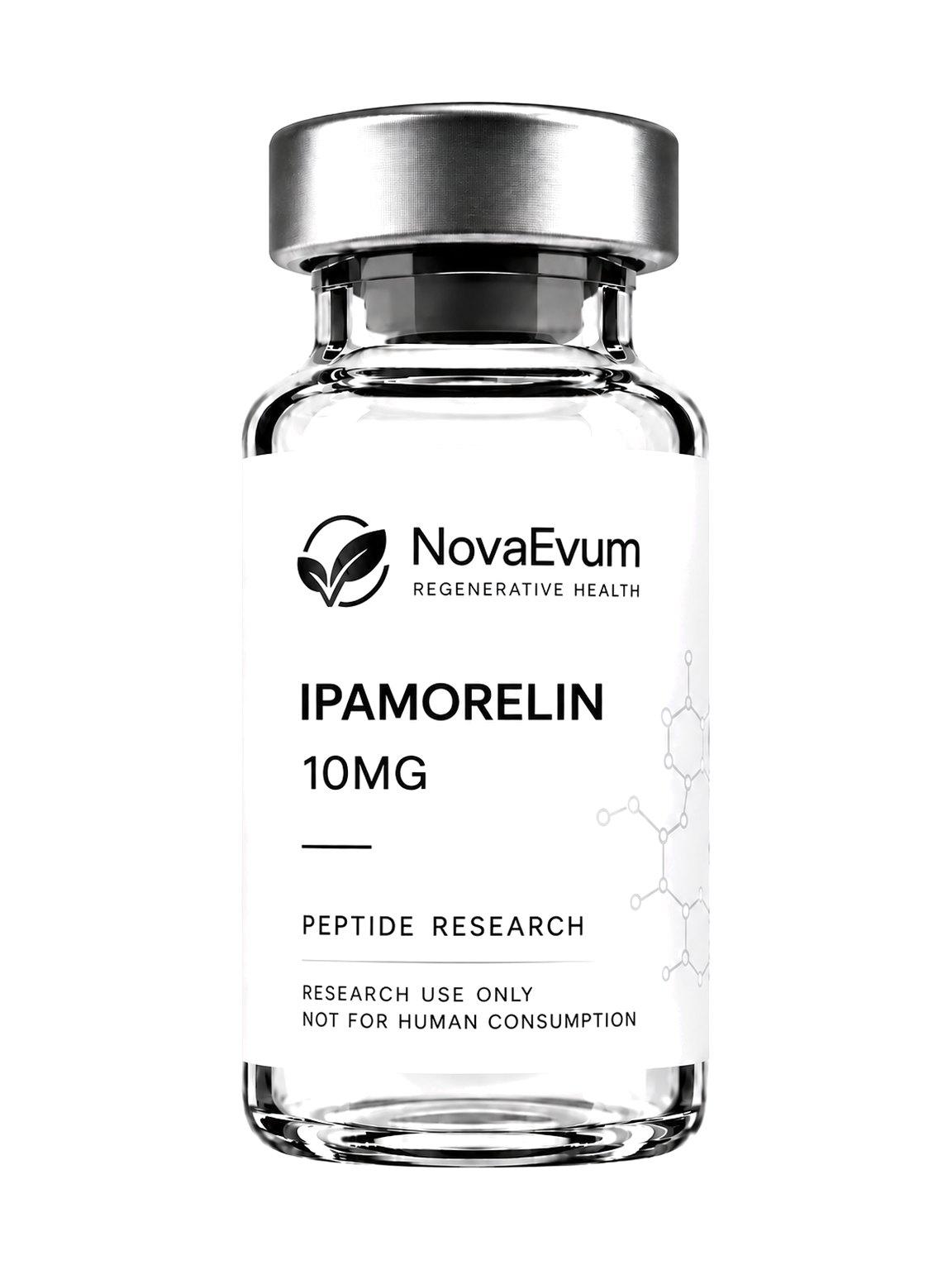 CAS 170851-70-4
Ipamorelin
10 mgLyophilized99.84%
From$70.00 CAD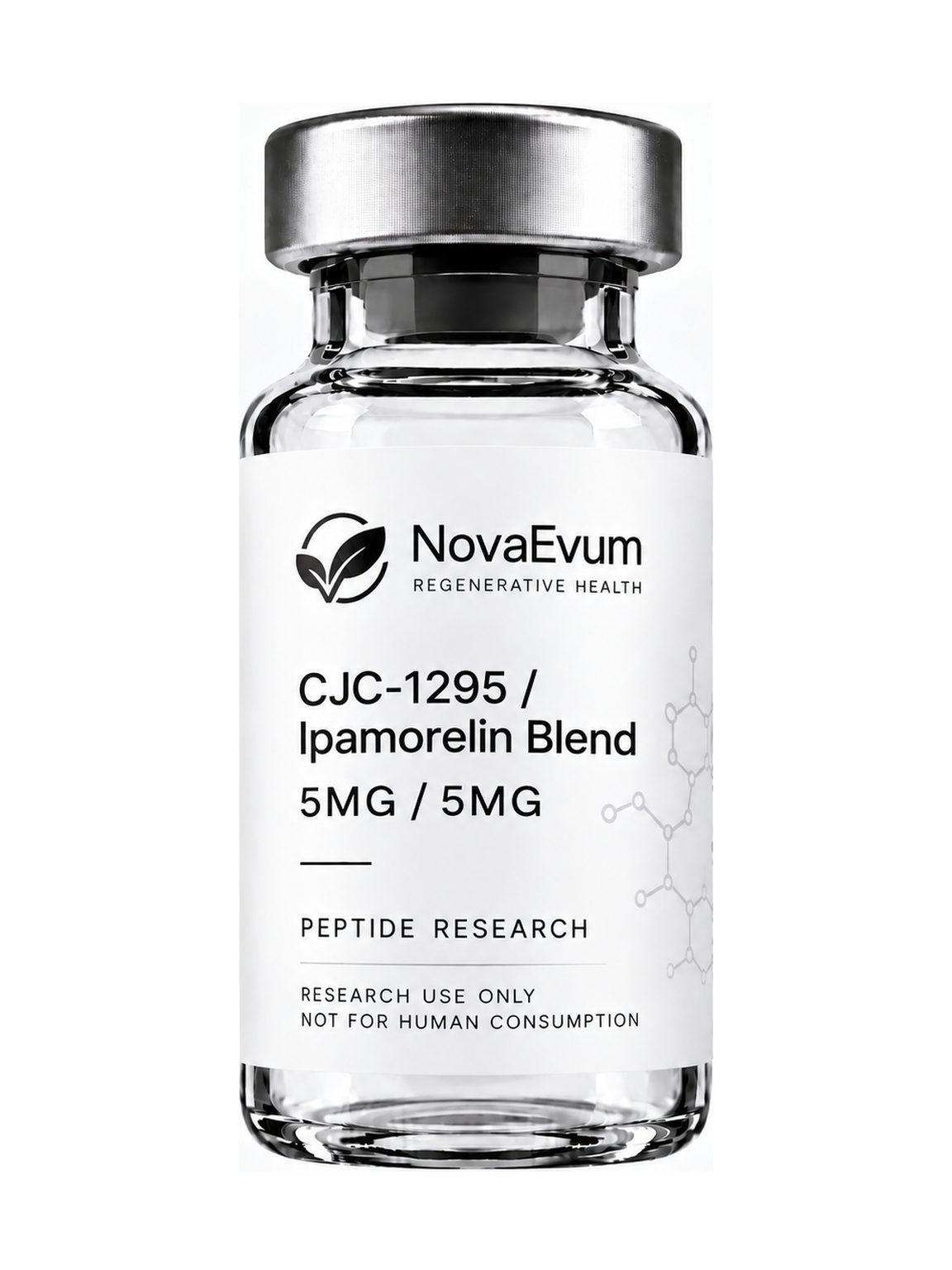 Blend
CJC-1295 / Ipamorelin Blend
5 mg + 5 mgLyophilized99.88%
From$80.00 CAD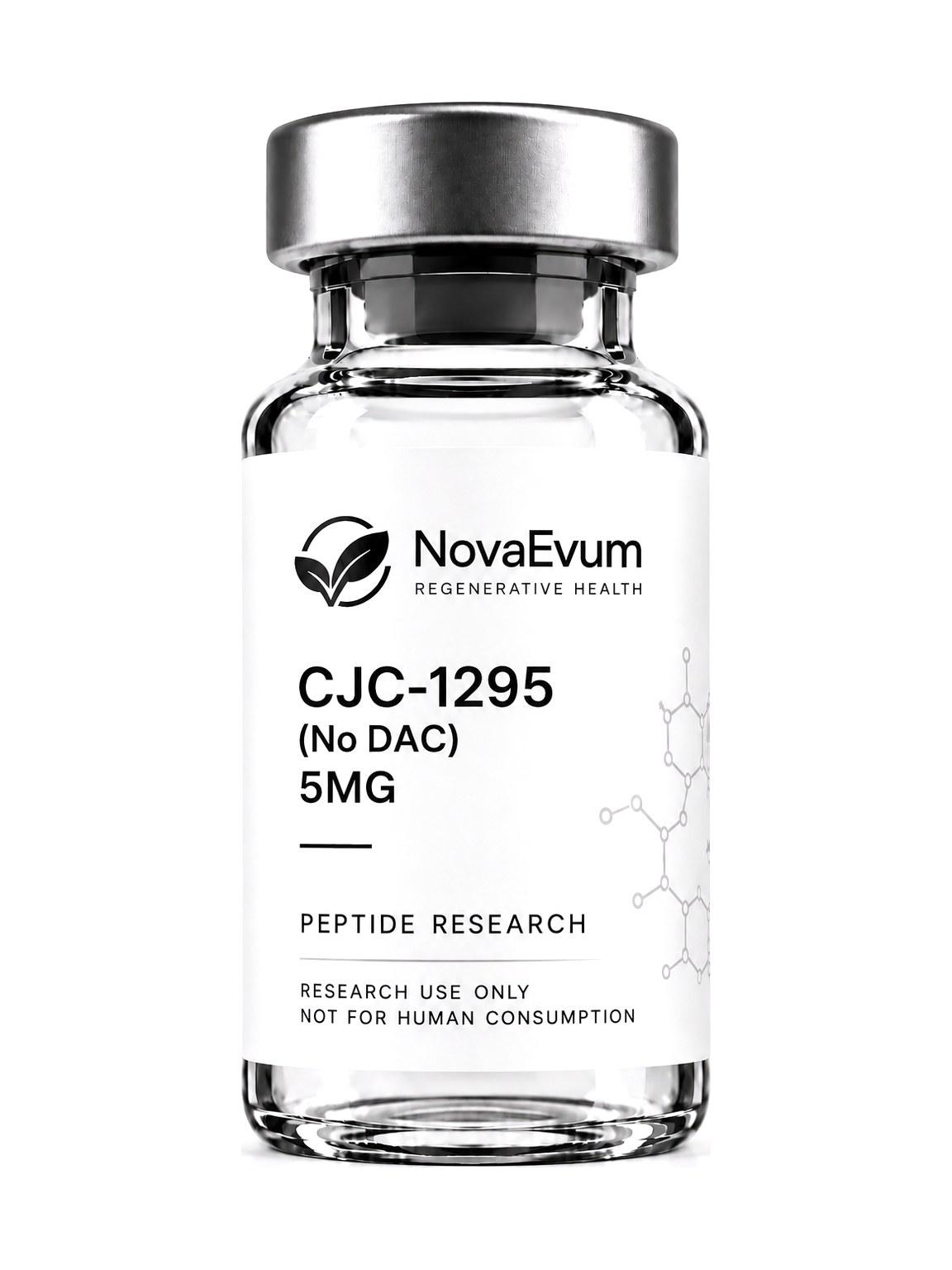 CAS 863288-34-0
CJC-1295 (no DAC)
5 mgLyophilized99.87%
From$40.00 CAD
Growth hormone research peptides in Canada
Growth-hormone secretagogues, releasing-hormone analogues and one hypothalamic signalling peptide, supplied in Canada as lyophilised material for laboratory research: tesamorelin, CJC-1295 (no DAC), ipamorelin, the CJC-1295 / Ipamorelin blend and kisspeptin-10.
Two receptors on the same cells
Growth hormone is released by somatotroph cells in the pituitary, and two receptors on those cells are the subject of most of this literature. The GHRH receptor responds to growth-hormone-releasing hormone from the hypothalamus. The ghrelin receptor, GHS-R1a, responds to ghrelin and to the synthetic secretagogues modelled on it.
Tesamorelin and CJC-1295 (no DAC) are GHRH analogues. Tesamorelin is the full 44-amino-acid sequence with a trans-3-hexenoyl group on its first residue. CJC-1295 without DAC is the first 29 amino acids with four substitutions that resist enzymatic cleavage; the "DAC" form adds a linker that binds albumin, and this is not that form. Ipamorelin is a ghrelin-receptor agonist: a pentapeptide developed in the late 1990s and studied for its selectivity, with early work measuring growth hormone alongside cortisol and prolactin.
How far the evidence reaches
Tesamorelin is one of the few compounds here with a completed phase 3 programme. Its pivotal trials enrolled people with HIV-associated lipodystrophy and measured visceral adipose tissue by CT; evidence outside that population is thin. Ipamorelin reached clinical trials in postoperative ileus before development stopped. CJC-1295 without DAC has animal and pharmacology work but no published clinical programme. The CJC-1295 / Ipamorelin blend pairs a GHRH analogue with a ghrelin-receptor agonist, and no study has examined the mixture.
Ipamorelin and the other ghrelin-receptor secretagogues are prohibited in sport by WADA.
Measuring growth hormone in a study
Growth hormone is released in pulses, mostly at night, and a single blood sample says little about how much is being secreted. Studies of secretagogues therefore sample frequently, every ten to twenty minutes over hours, and report the area under the curve or the size and number of pulses. A paper that reports one measurement should be read with that in mind.
IGF-1 is the other common marker. It is made mainly in the liver in response to growth hormone and is far more stable in blood, so it serves as an integrated signal over days rather than minutes. Trials of tesamorelin reported IGF-1 alongside their imaging endpoints. Cortisol and prolactin are measured too, because earlier secretagogues raised them; that is the selectivity ipamorelin was studied for.
In laboratory work, the GHRH analogues are prone to oxidation at their methionine residues and to deamidation, which is part of why CJC-1295 (no DAC) carries the substitutions it does. The certificate for each lot shows what the laboratory found in the material.
Kisspeptin-10
Kisspeptin-10 is the ten-amino-acid C-terminal fragment of kisspeptin, the ligand of the KISS1R receptor, and the shortest form that retains full activity there. It sits in this category as a hypothalamic signalling peptide rather than a growth-hormone one: its literature concerns reproductive endocrinology, where it acts upstream of gonadotropin-releasing hormone. Human experimental studies exist, mostly small and short, alongside a larger animal literature.
Compare the compounds
| Compound | Molecule | Evidence reached | Sizes | Mol. weight | Certificate published |
|---|---|---|---|---|---|
| Tesamorelin | GHRH analogue, 44 amino acids | Phase 3, published | 10 mg | 5135.9 g/mol | Every size |
| Kisspeptin-10 | KISS1R agonist fragment | Small human studies | 10 mg | 1302.45 g/mol | Every size |
| Ipamorelin | Ghrelin-receptor agonist | Early clinical, discontinued | 10 mg | 711.85 g/mol | Every size |
| CJC-1295 / Ipamorelin Blend | Two-component blend | None for the combination | 10 mg | Blend | Every size |
| CJC-1295 (no DAC) | GHRH(1-29) analogue | Animal and pharmacology | 5 mg, 10 mg | 3367.9 g/mol | Not yet |
Every certificate is on the testing page, as the laboratory issued it. New to buying in Canada? Read how to check a research peptide supplier, or see what shipping research peptides across Canada involves.
Growth hormone peptides questions
- What is the difference between CJC-1295 with and without DAC?
- The DAC form carries a linker that binds albumin in circulation; the no-DAC form, sometimes called modified GRF(1-29), does not. We list the no-DAC form.
- Is ipamorelin a GHRH analogue?
- No. Ipamorelin acts at the ghrelin receptor, GHS-R1a. Tesamorelin and CJC-1295 act at the GHRH receptor, a different receptor on the same pituitary cells.
- Why is kisspeptin-10 in this category?
- It is grouped with the other hypothalamic signalling peptides. Its own literature is reproductive endocrinology rather than growth hormone.
- Has the CJC-1295 / Ipamorelin blend been studied?
- Not as a mixture. Each component has its own literature, and findings for one do not transfer to the combination.
Research articles on these compounds
- Growth hormone secretagogues explained: GHRH analogues, ghrelin agonists and what is approved11 min
- Sermorelin and the GHRH pathway: the first 29 residues, and the analogues built from them6 min
- Ipamorelin and somatopause: a research hypothesis, not an established condition7 min
- Peptide Half-Life Explained: Plasma Clearance, Shelf Stability and Extension Strategies9 min
- Tesamorelin vs Ipamorelin: Two Receptors, Two Evidence Bases9 min
- Ipamorelin Half-Life and Selectivity: What the Evidence Actually Measures2 min