
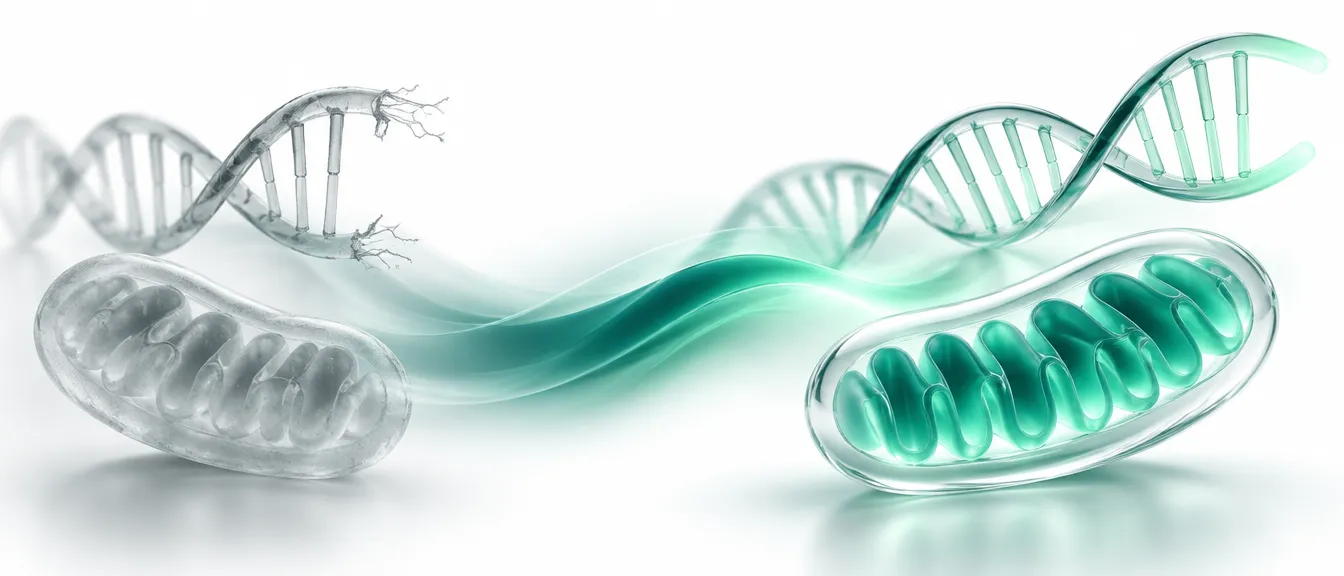
Research peptides · Canada
Longevity and cellular research compounds
7 compounds in Longevity & cellular health
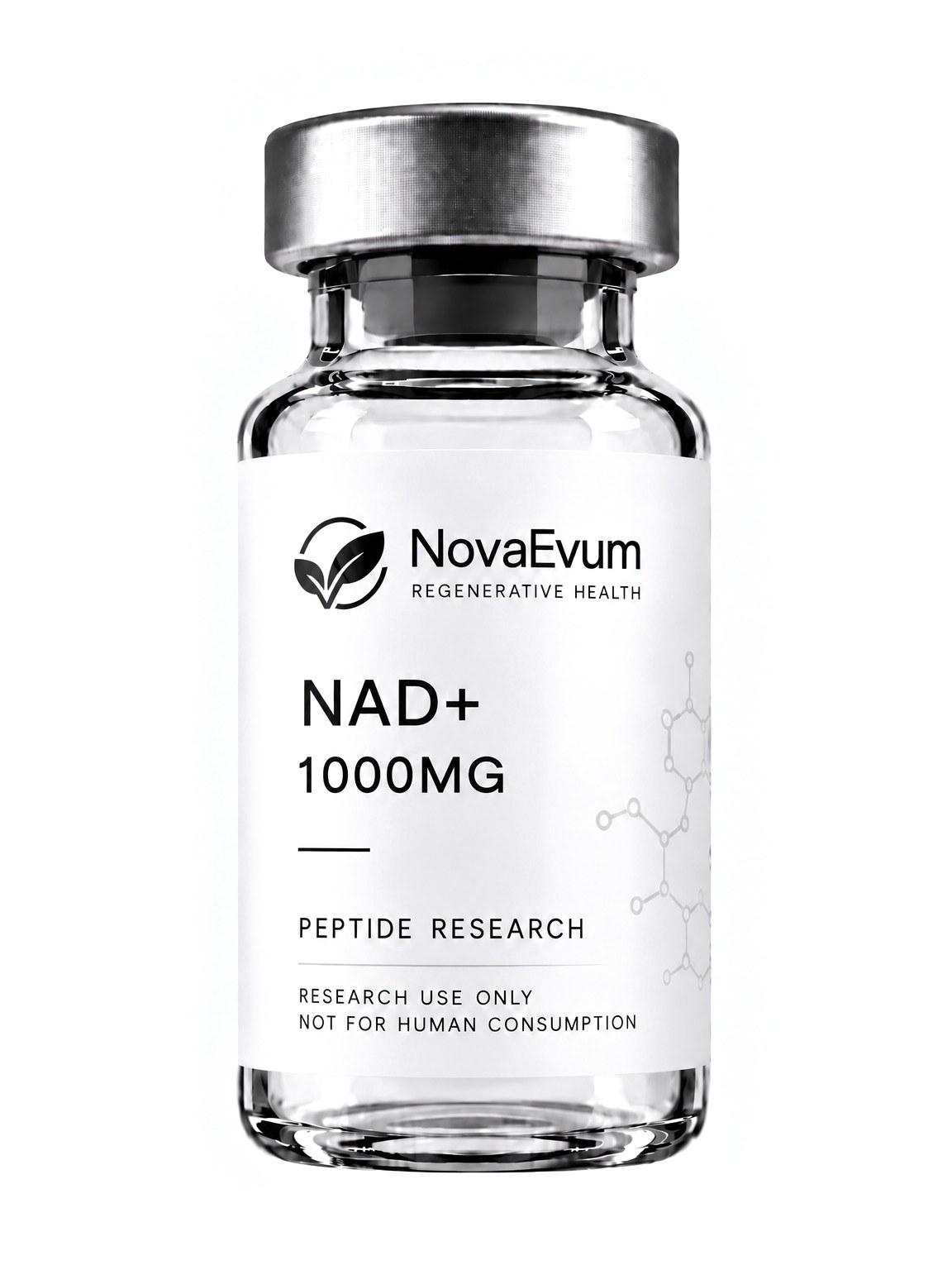 CAS 53-84-9
NAD+
1000 mgLyophilized99.43%
From$100.00 CAD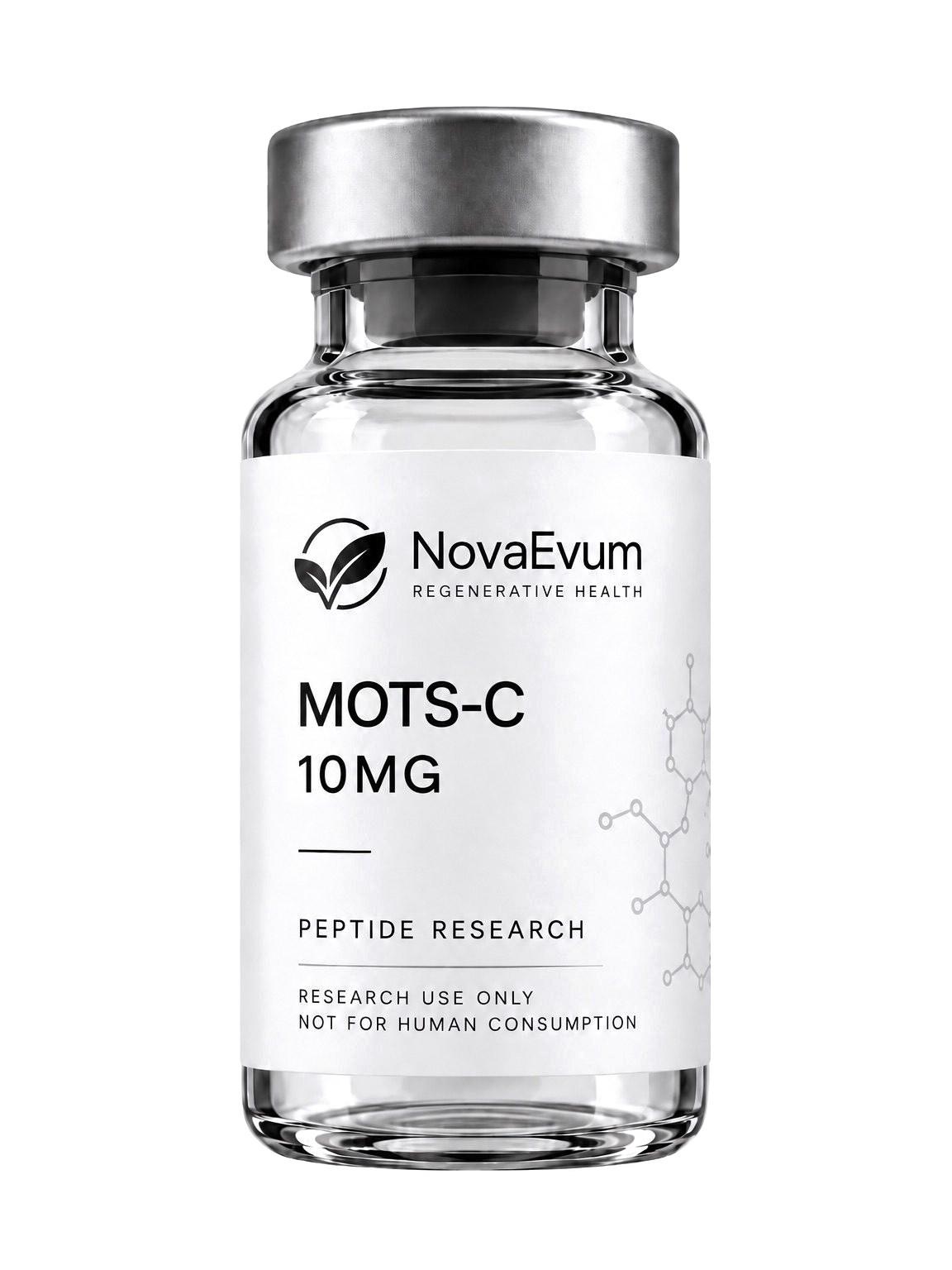 CAS 1627580-64-6
MOTS-c
10 mgLyophilized99.41%
From$60.00 CAD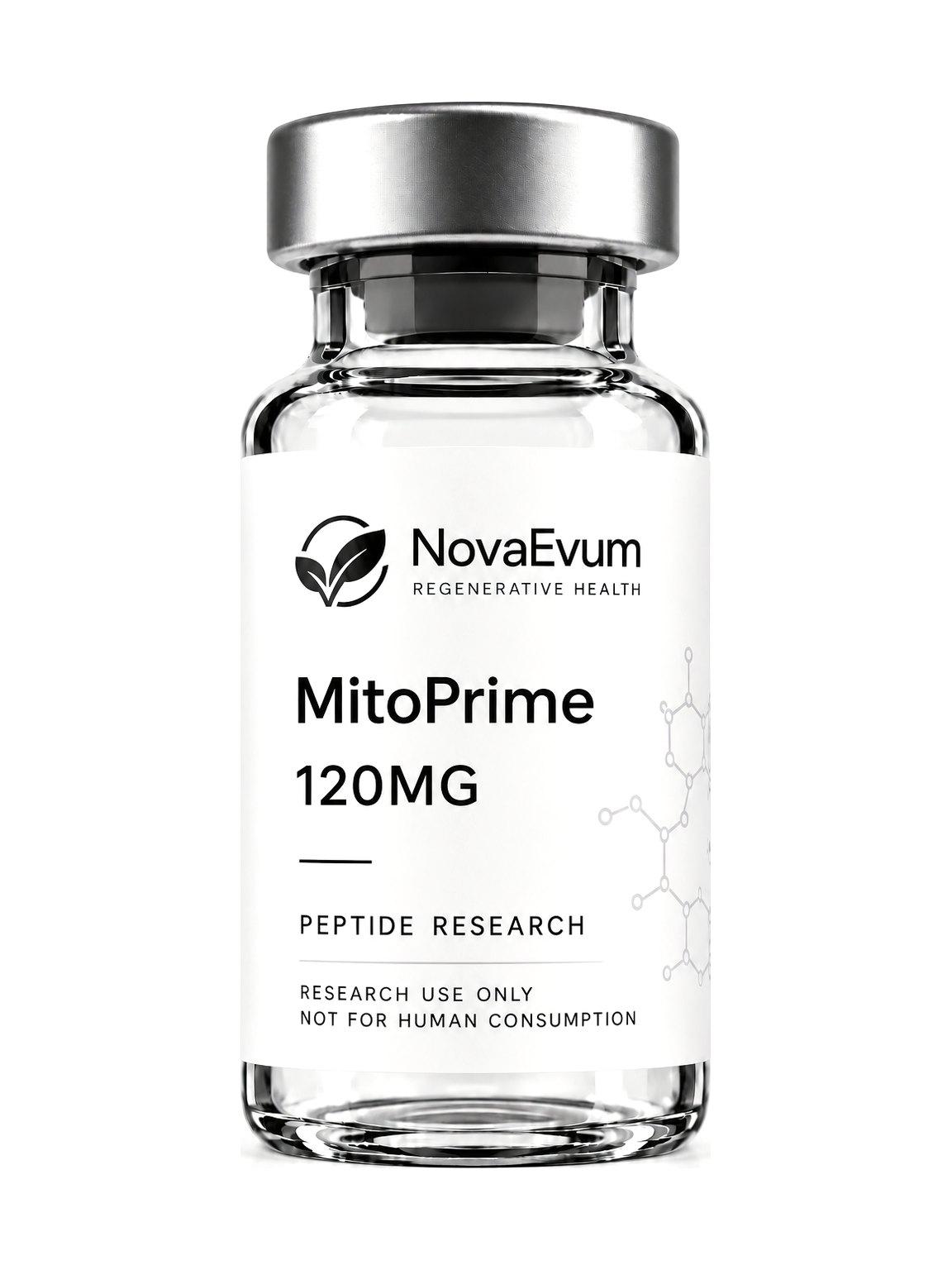 Blend
MitoPrime
120 mgLyophilized99.87%
From$160.00 CAD CAS 736992-21-5
SS-31
10 mgLyophilized99.88%
From$60.00 CAD CAS 307297-39-8
Epitalon
10 mgLyophilized99.53%
From$40.00 CAD CAS 70-18-8
Glutathione
1200 mgLyophilized99.87%
From$60.00 CAD CAS 541-15-1
L-Carnitine
10 mL · 750 mg/mLLyophilized99.87%
From$60.00 CAD
Longevity and cellular research compounds in Canada
Compounds studied in the biology of cellular energy, oxidative state and ageing, supplied in Canada for laboratory research: NAD+, MOTS-c, SS-31, Epitalon, glutathione and L-Carnitine. "Longevity" names the research field they are studied in, not a property of the material.
Two peptides aimed at mitochondria
MOTS-c is a 16-amino-acid peptide described in 2015 and one of the few peptides encoded in mitochondrial DNA, within the 12S rRNA region; its name stands for mitochondrial open reading frame of the 12S rRNA type-c. Cell and rodent work covers signalling from the mitochondrion to the nucleus, AMPK, and glucose and fatty-acid handling. Human studies have measured it as a circulating marker without testing it as an intervention.
SS-31, also known as elamipretide, is a synthetic tetrapeptide from the Szeto-Schiller series that binds cardiolipin, a lipid of the inner mitochondrial membrane. It has preclinical work and published human trials in mitochondrial myopathy, Barth syndrome and heart failure, with mixed results.
MitoPrime is a mixture rather than a compound: NAD+, MOTS-c and the small-molecule NNMT inhibitor 5-Amino-1MQ in one vial. Each component has been studied separately and no published work examines the three together, so a finding for one is not a finding for the mixture.
NAD+ and glutathione: molecules every cell makes
NAD+, nicotinamide adenine dinucleotide, is a coenzyme rather than a synthetic peptide. Its basic-science literature is enormous, covering redox reactions, sirtuin and PARP enzymes, and cellular metabolism. Nearly all of it concerns the coenzyme inside a cell, which is a different question from a vial of it.
Glutathione is the tripeptide γ-glutamyl-cysteinyl-glycine, the most abundant thiol antioxidant inside cells, and the ratio of its reduced form (GSH) to its oxidised form (GSSG) is a standard laboratory marker of redox state. A long-running question in its literature is whether glutathione supplied from outside a cell reaches the inside at all; controlled human trials are small, short and mixed.
Epitalon and the pineal gland
Epitalon, also written Epithalon, is the tetrapeptide Ala-Glu-Asp-Gly. Vladimir Khavinson’s group in St Petersburg proposed it as a synthetic counterpart to epithalamin, an extract of the pineal gland, and it belongs to the same series of short "bioregulator" peptides as Cartalax. Its literature examines telomerase activity and telomere length in cultured human cells, melatonin secretion and circadian rhythm in aged animals, and lifespan in rodents and fruit flies.
Small human studies in older adults have been published, but nearly all of the work comes from the group that proposed the peptide, and little of it has been replicated independently. Telomerase is also a double-edged subject: the enzyme that maintains telomeres is active in most cancers, which is why the telomerase findings attract as many questions as they answer.
What longevity research actually measures
Lifespan can be measured directly only in short-lived organisms: yeast, nematode worms, fruit flies and, at a cost of years, mice. Much of the NAD+, MOTS-c and Epitalon literature that is described as longevity research is work of that kind, or work on markers in cells and tissues that are thought to track ageing. A human study cannot wait for a lifespan, so it measures something nearer: a blood marker, a tissue level, a performance test.
That gap is why the evidence column below separates the two. For NAD+ in particular, most human studies have given its precursors, nicotinamide riboside and nicotinamide mononucleotide, rather than NAD+ itself, and those are separate literatures from the coenzyme in a vial. For glutathione, the question is whether the molecule supplied reaches the inside of cells at all.
L-Carnitine, the fatty-acid carrier
L-Carnitine, or levocarnitine, is not a peptide: it is a small molecule made in the body from lysine and methionine. Its biochemistry is well established. It carries long-chain fatty acids into mitochondria, through the carnitine palmitoyltransferase enzymes, so they can be oxidised. Its clinical record is in carnitine deficiency; trials of supplementation outside deficiency are numerous, small and mixed.
Small molecules, big differences in size
These five span a wide range of mass: glutathione near 307 daltons, Epitalon near 390, SS-31 and NAD+ in the 600s, MOTS-c above 2,100. That range matters when reading a certificate. For a molecule as small as glutathione, identity rests on an exact mass and on separating it from its oxidised form; for MOTS-c it rests on confirming a full 16-residue sequence. The comparison table below shows which sizes have a certificate published here.
Compare the compounds
| Compound | Molecule | Evidence reached | Sizes | Mol. weight | Certificate published |
|---|---|---|---|---|---|
| NAD+ | Coenzyme, not a peptide | Basic science; little on supplied NAD+ | 1000 mg | 663.43 g/mol | Every size |
| MOTS-c | Mitochondrial-derived peptide | Preclinical | 10 mg, 40 mg | 2174.6 g/mol | Every size |
| MitoPrime | Three-component blend | None for the mixture | 120 mg | Blend | Every size |
| SS-31 | Cardiolipin-binding tetrapeptide | Human trials, mixed results | 10 mg, 50 mg | 639.79 g/mol | Every size |
| Epitalon | Tetrapeptide bioregulator | Animal; small human studies, one group | 10 mg, 50 mg | 390.35 g/mol | Every size |
| Glutathione | Thiol tripeptide (GSH) | Small human trials, mixed | 1200 mg | 307.32 g/mol | Not yet |
| L-Carnitine | Fatty-acid carrier, not a peptide | Clinical in deficiency only | 7500 mg | 161.2 g/mol | Not yet |
Every certificate is on the testing page, as the laboratory issued it. New to buying in Canada? Read how to check a research peptide supplier, or see what shipping research peptides across Canada involves.
Longevity & cellular health questions
- Is NAD+ a peptide?
- No. NAD+ is a coenzyme, a dinucleotide present in every living cell. It is grouped here for its research subject, cellular energy, not its chemistry.
- What does MOTS-c stand for?
- Mitochondrial open reading frame of the 12S rRNA type-c. It is one of the few peptides encoded in mitochondrial DNA rather than in the nucleus.
- Is Epitalon the same as Epithalon?
- Yes. They are two spellings of the same tetrapeptide, Ala-Glu-Asp-Gly, sometimes abbreviated AEDG.
- What is SS-31 also called?
- Elamipretide. The SS stands for Szeto-Schiller, after the researchers whose peptide series it comes from.
- What is the difference between GSH and GSSG?
- GSH is reduced glutathione, a single tripeptide. GSSG is two glutathione molecules joined by a disulfide bond, the oxidised form. Their ratio is a common laboratory measure of redox state.
Research articles on these compounds
- Epithalon, the pineal gland and melatonin: reading a one-laboratory literature7 min
- Mitochondrial Peptides in 2027: MOTS-c, SS-31 and the Future of Cellular Energy5 min
- Peptides in 2027: The Biggest Breakthroughs and Compounds to Watch6 min
- The Future of Mitochondrial Research: MOTS-c and SS-31 in 20267 min
- MOTS-c vs SS-31: Two Mitochondrial Peptides That Are Nothing Alike9 min
- What Are Peptides? Understanding Their Science, Research, and Safety9 min