

Research peptides · Canada
GLP-1 and metabolic research peptides
4 compounds in GLP-1 & metabolic
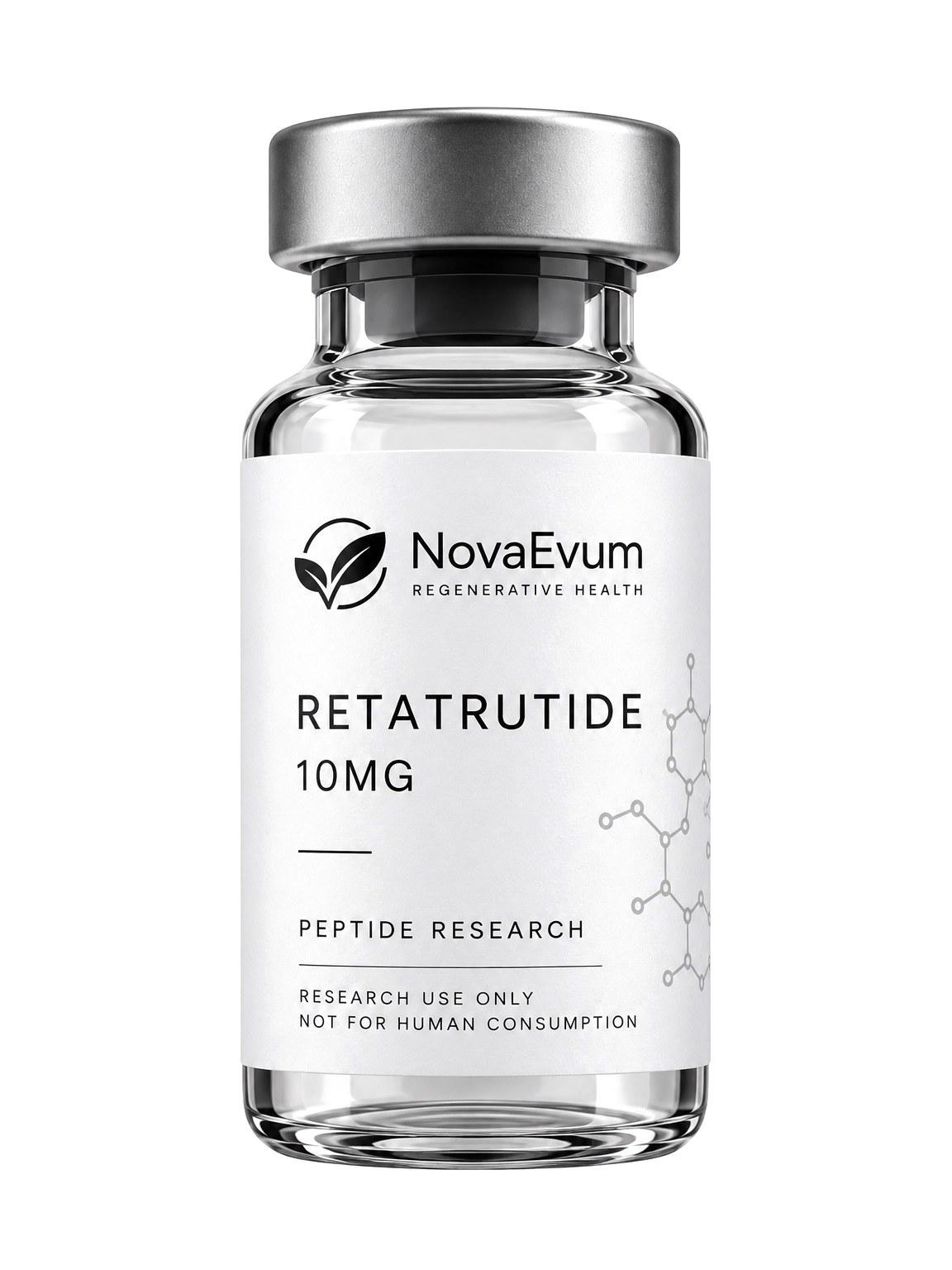 CAS 2381089-83-2
Retatrutide
10 mgLyophilized99.85%
From$90.00 CAD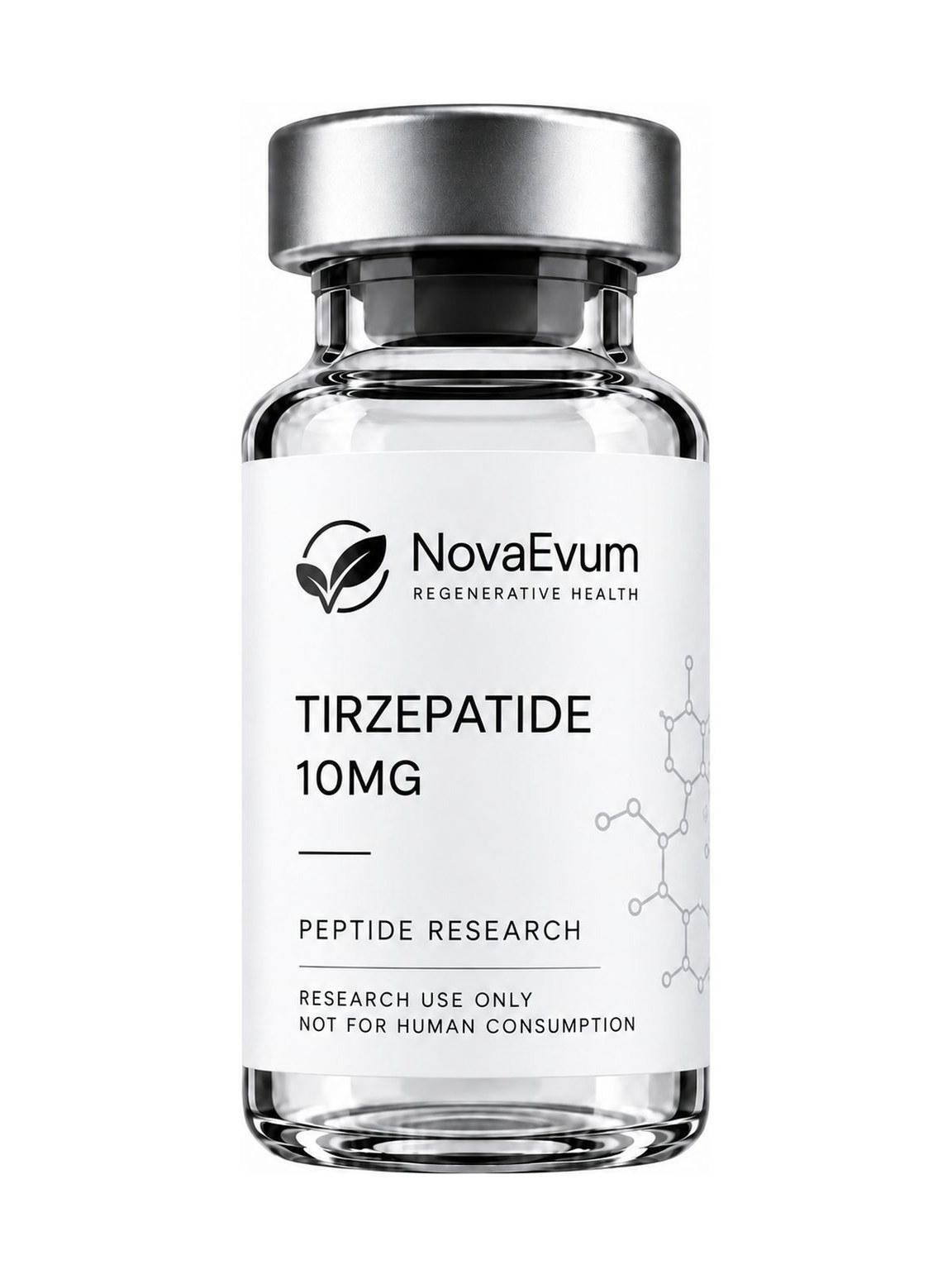 CAS 2023788-19-2
Tirzepatide
10 mgLyophilized99.88%
From$65.00 CAD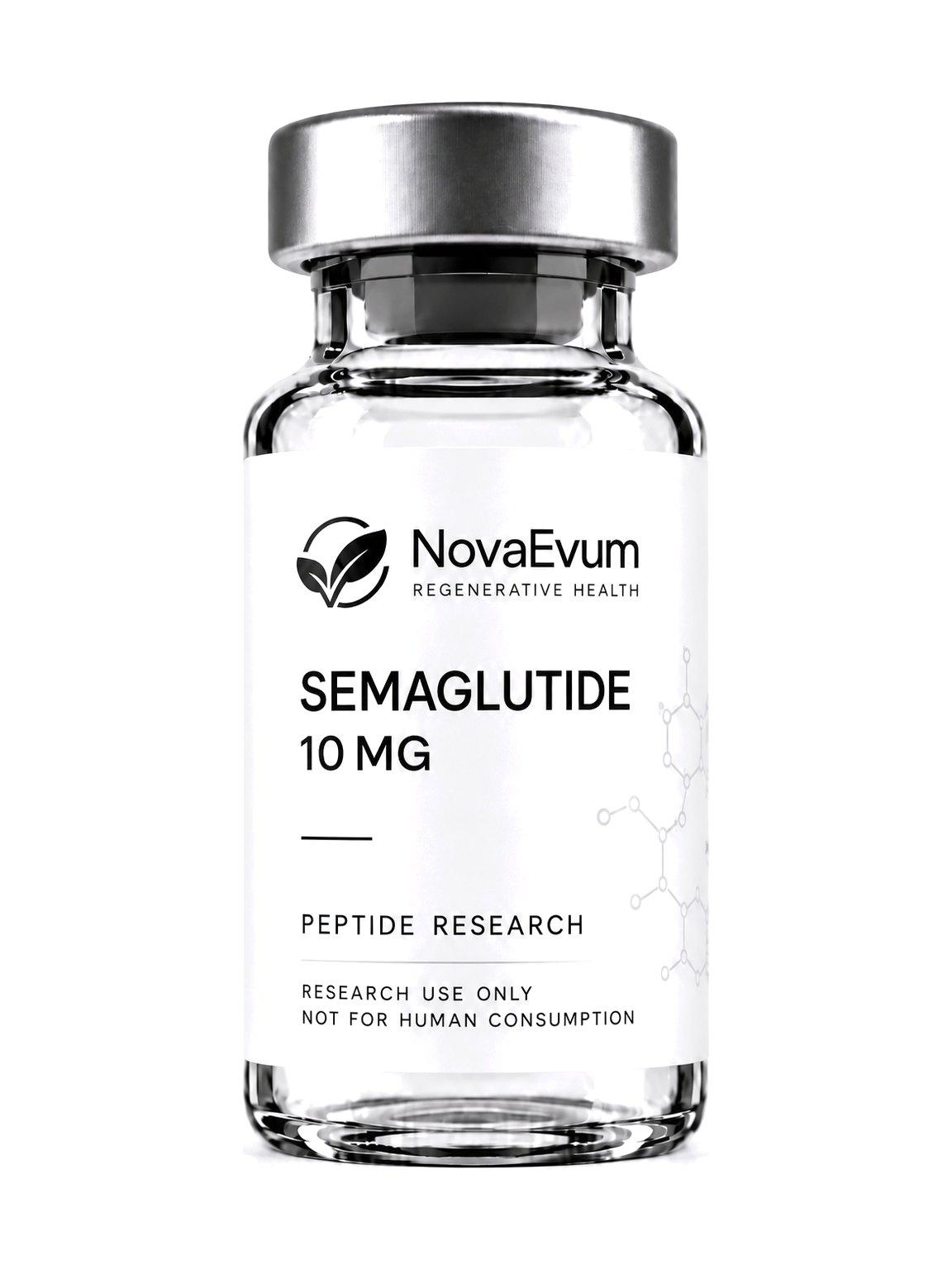 CAS 910463-68-2
Semaglutide
10 mgLyophilized powder
From$65.00 CAD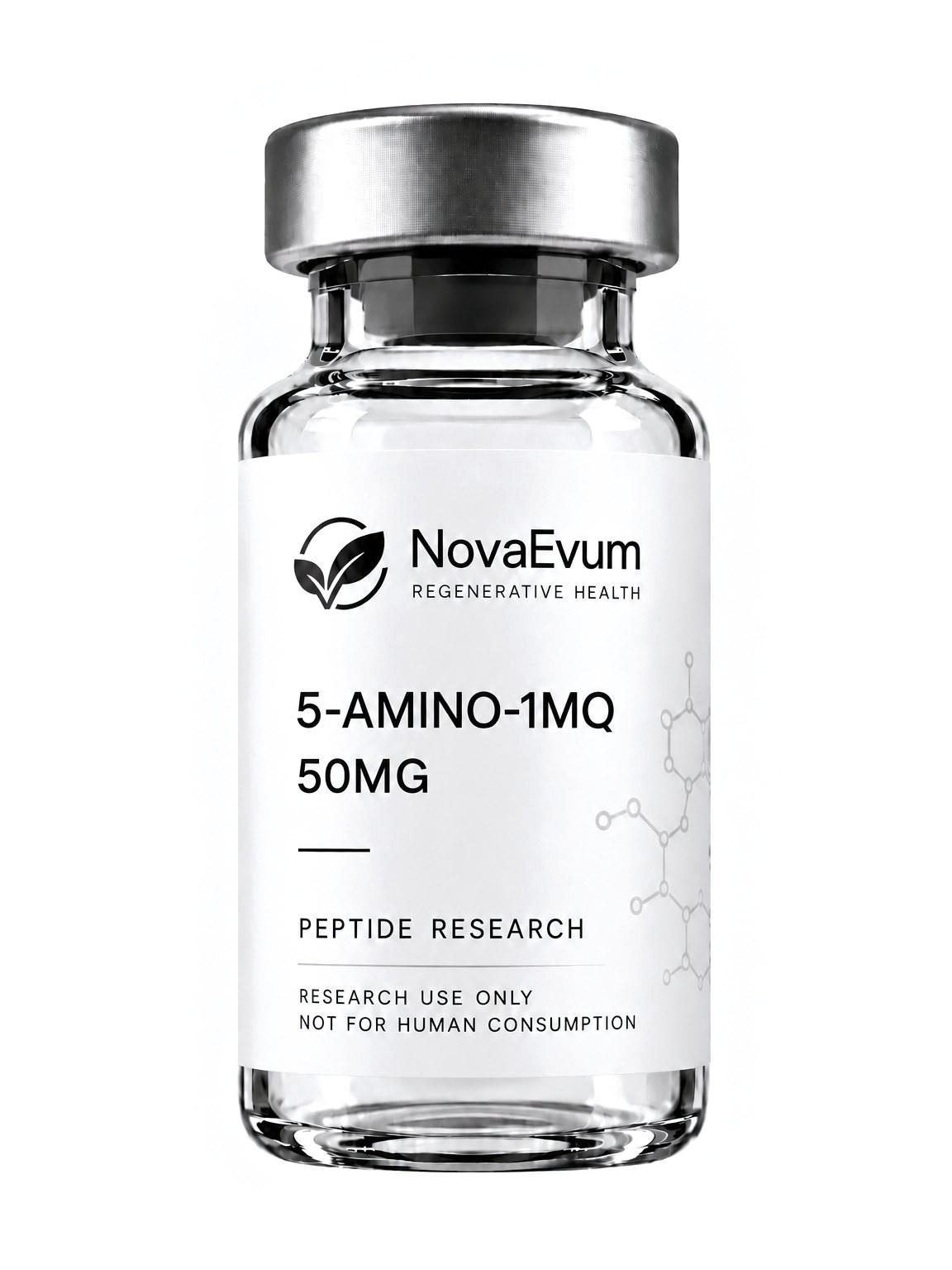 CAS pending
5-Amino-1MQ
50 mgLyophilized99.87%
From$100.00 CAD
GLP-1 and metabolic research peptides in Canada
This category holds the incretin-receptor agonists and metabolic compounds in our catalog: retatrutide, tirzepatide, semaglutide and 5-Amino-1MQ. Each ships from Toronto as lyophilised research material, sold for laboratory use. Where a certificate of analysis covers the size you receive, it is published on the product page and on our testing page; where none has been published yet, that page says so.
Single, dual and triple agonists
GLP-1 and GIP are incretins: hormones released from the gut after a meal that act on receptors in the pancreas, brain and elsewhere. Native GLP-1 survives only minutes in circulation before the enzyme DPP-4 cleaves it. The synthetic analogues studied today carry amino-acid substitutions that resist that enzyme and a fatty-acid side chain that binds albumin, which is why their half-lives are measured in days rather than minutes.
The compounds differ in how many receptors they engage. Semaglutide acts at the GLP-1 receptor alone. Tirzepatide is a 39-amino-acid peptide built on the GIP sequence that acts at both the GIP and GLP-1 receptors. Retatrutide adds a third target, the glucagon receptor, making it a triple agonist. Much of the current literature compares these receptor profiles directly, asking what each added receptor contributes — the SURPASS-2 trial put tirzepatide against semaglutide head to head for exactly that reason.
How far the evidence reaches
Tirzepatide has the deepest record of anything in this catalog. Its SURPASS phase 3 programme enrolled adults with type 2 diabetes and its SURMOUNT programme adults with obesity, together tens of thousands of participants, published in major peer-reviewed journals.
Retatrutide is earlier. Its phase 2 results were published in 2023, and the TRIUMPH phase 3 programme reported its first results in 2026. It remains investigational, and the long-term safety record that only a finished programme produces does not exist yet.
5-Amino-1MQ is a different kind of compound entirely: a small-molecule quinolinium salt, not a peptide, that inhibits the enzyme nicotinamide N-methyltransferase (NNMT). It sits here for its subject. Its literature is cell culture and rodent models of NAD+ metabolism and fat-cell biology, and no human trials have been published.
Albumin binding and the laboratory
The fatty-acid chain that gives these analogues their long half-life has a practical consequence at the bench. Because the molecule binds albumin, the potency an assay reports depends on how much serum protein the assay contains: the same peptide can look several-fold weaker in a medium rich in albumin than in a protein-free buffer, because only the unbound fraction reaches the receptor. Published receptor-activity comparisons between tirzepatide, retatrutide and native hormones state their assay conditions for this reason, and a comparison that does not is hard to interpret.
The same property shapes handling. Lipidated peptides of this size can adsorb to plastic and glass at low concentration, and they are sensitive to repeated freezing and thawing. Each product page states the storage temperature printed for that material; retatrutide is labelled for 2-8 °C, while most of the catalog is stored at -20 °C.
The trials themselves measured different things. SURPASS took glycated haemoglobin as its main endpoint, SURMOUNT the change in body weight, and both recorded gastrointestinal adverse events as the most commonly reported. Those are statements about what a trial measured in its participants, not about a vial of research material.
Reading a certificate for a large peptide
At roughly 4,700 to 4,800 daltons, retatrutide and tirzepatide are large molecules, and that shapes what a certificate of analysis can tell you. HPLC purity reports the share of the sample that elutes as the main peak; mass spectrometry, where a report includes it, confirms the molecule in that peak has the expected mass. For a peptide this size, a closely related impurity can sit very near the main peak, which is why the method and the chromatogram matter as much as the headline figure.
The comparison table below states which sizes have a certificate published here, and /testing has every document as the laboratory issued it.
Compare the compounds
| Compound | Molecule | Evidence reached | Sizes | Mol. weight | Certificate published |
|---|---|---|---|---|---|
| Retatrutide | GIP, GLP-1 and glucagon receptor agonist | Phase 2 and first phase 3 results | 10 mg, 30 mg, 50 mg | 4731.3 g/mol | Every size |
| Tirzepatide | GIP and GLP-1 receptor agonist | Phase 3, published | 10 mg | 4813.45 g/mol | Every size |
| Semaglutide | GLP-1 receptor agonist | Phase 3, published; cardiovascular outcomes | 10 mg | 4113.58 g/mol | Not yet |
| 5-Amino-1MQ | Small-molecule NNMT inhibitor | Preclinical | 50 mg | Blend | Not yet |
Every certificate is on the testing page, as the laboratory issued it. New to buying in Canada? Read how to check a research peptide supplier, or see what shipping research peptides across Canada involves.
GLP-1 & metabolic questions
- What is the difference between tirzepatide and retatrutide?
- Receptor count. Tirzepatide acts at the GIP and GLP-1 receptors; retatrutide adds the glucagon receptor. Tirzepatide has completed phase 3 programmes; retatrutide reported its first phase 3 results in 2026.
- Is 5-Amino-1MQ a peptide?
- No. It is a small-molecule quinolinium salt that inhibits the enzyme NNMT. It is listed in this category because its literature concerns metabolism, not because of its chemistry.
- Is research tirzepatide the same as Mounjaro or Zepbound?
- No. Those are manufactured, prescribed medicines containing tirzepatide. What we sell is lyophilised research material for laboratory use, not a medicine, whatever the molecule.
- Why does a certificate state molecular weight?
- Because mass is how identity is confirmed. Purity by HPLC says how much of the sample is the main component; a mass result says that component is the molecule on the label.
Research articles on these compounds
- New GLP-1 Drugs 2026: Approved and Late-Stage Incretin Compounds10 min
- GLP-1 Muscle Loss: What Body-Composition Studies Actually Measured11 min
- How GLP-1, GIP and Glucagon Receptors Differ in Metabolic Research2 min
- Cagrilintide and amylin: the fourth hormone in the incretin conversation7 min
- Tirzepatide and retatrutide: two receptor counts, two completely different regulatory positions8 min
- Beyond GLP-1: Why Amylin Peptides Could Be the Next Major Breakthrough4 min