
Sophia Bennett
Regenerative Biology Editor
Regenerative Biology & Tissue Research
NovaEvum Research Editorial
Education
- Biomedical Sciences, University of Toronto
- Molecular Medicine, Johns Hopkins University
Sophia Bennett covers regenerative biology, connective tissue science and experimental peptide research for NovaEvum Research Editorial.
This specialization examines cellular migration, extracellular matrix organization, collagen biology and molecular processes involved in tissue responses.
Articles evaluate preclinical and clinical literature while distinguishing experimental mechanisms from validated medical outcomes. Articles evaluate relevant published research from institutions worldwide.
Topics covered
- BPC-157
- TB-500
- Thymosin beta-4
- Collagen
- Tendons
- Ligaments
- Extracellular matrix
- Angiogenesis
Research categories
University references in NovaEvum Research Editorial describe institutions whose published scientific literature may be examined in our editorial coverage. These references do not imply that NovaEvum or its authors are affiliated with, endorsed by, or collaborating with those institutions.
14 articles under this name
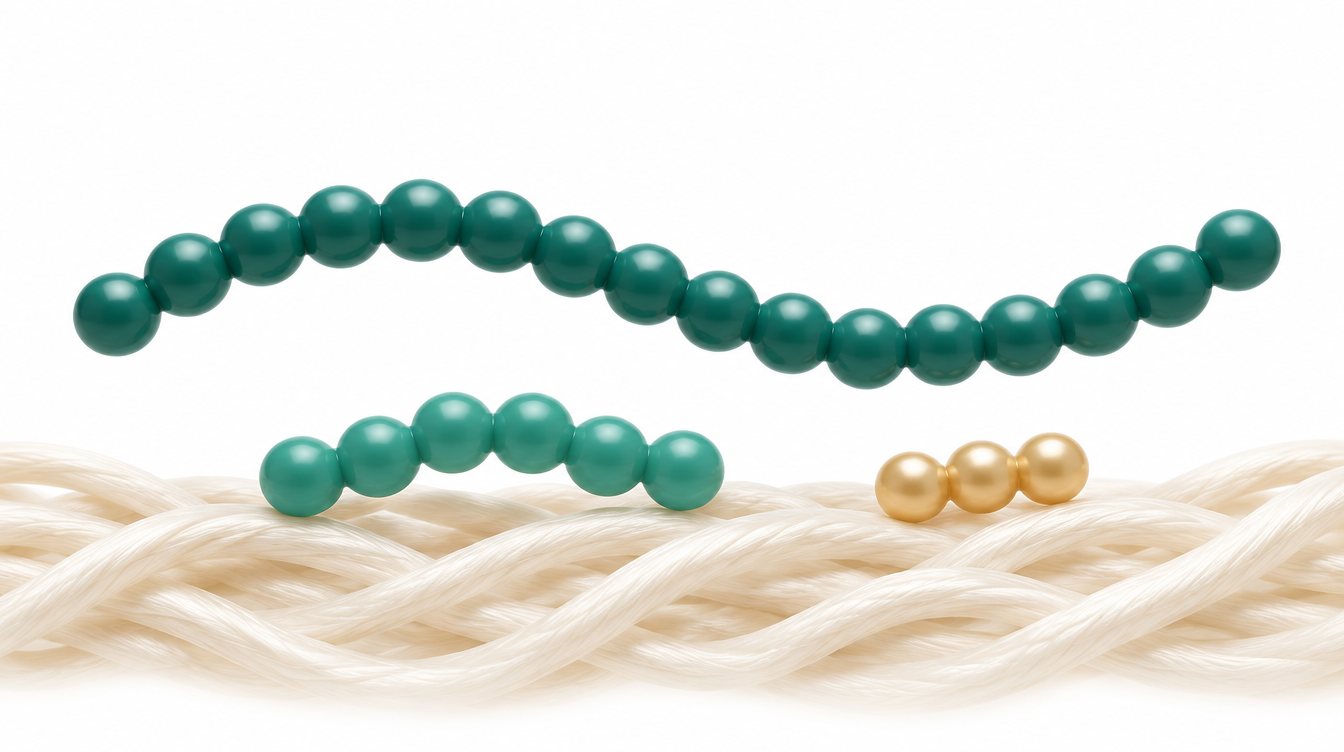 IllustrationBlends6 min readWhat Is the Deadpool Blend? BPC-157, TB-500 and Cartalax, ExplainedThe Deadpool Blend combines BPC-157, TB-500 and Cartalax, 10 mg each. What each peptide is, how far its evidence goes, how it differs from…Read article
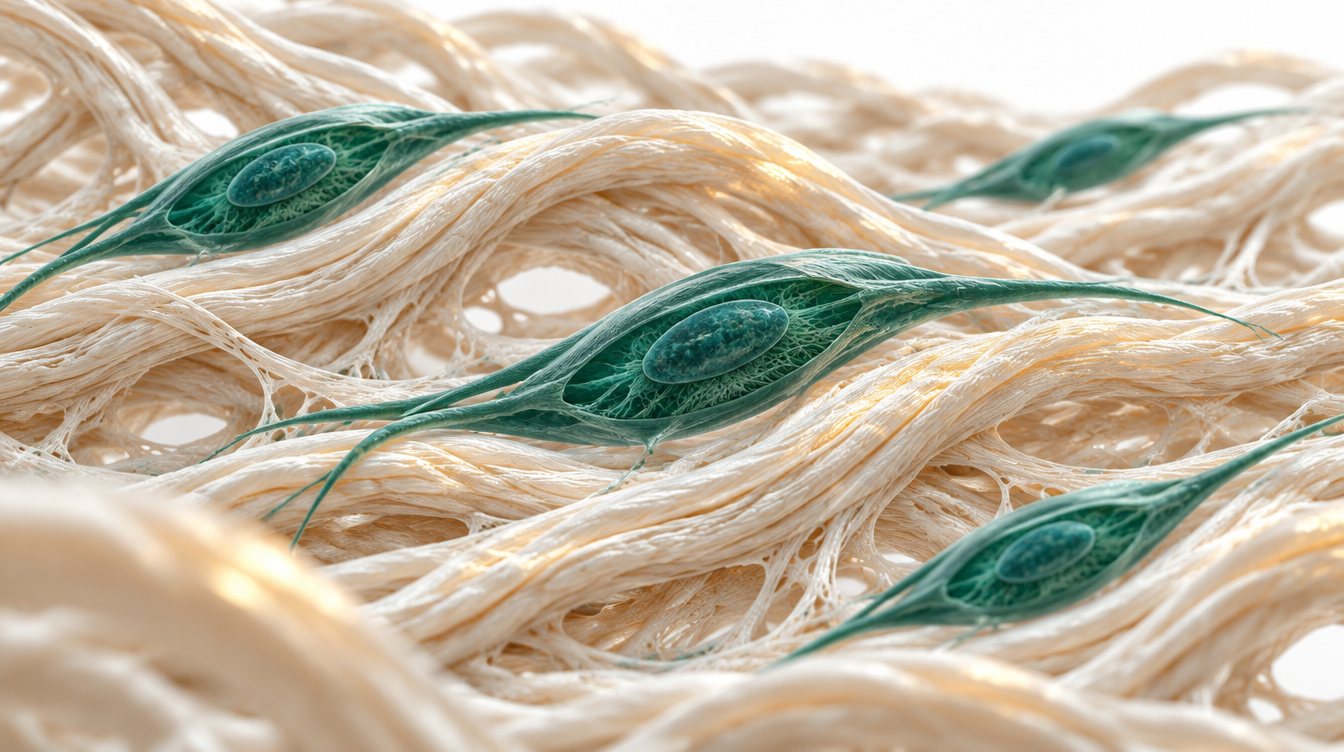 IllustrationBPC-1578 min readBPC-157 and TB-500: Exploring the Latest Tissue Repair Research in 2026BPC-157 and TB-500 research in 2026: the biology of tissue repair, tendon models, thymosin beta-4 versus TB-500, and what a new orthopaedic…Read article
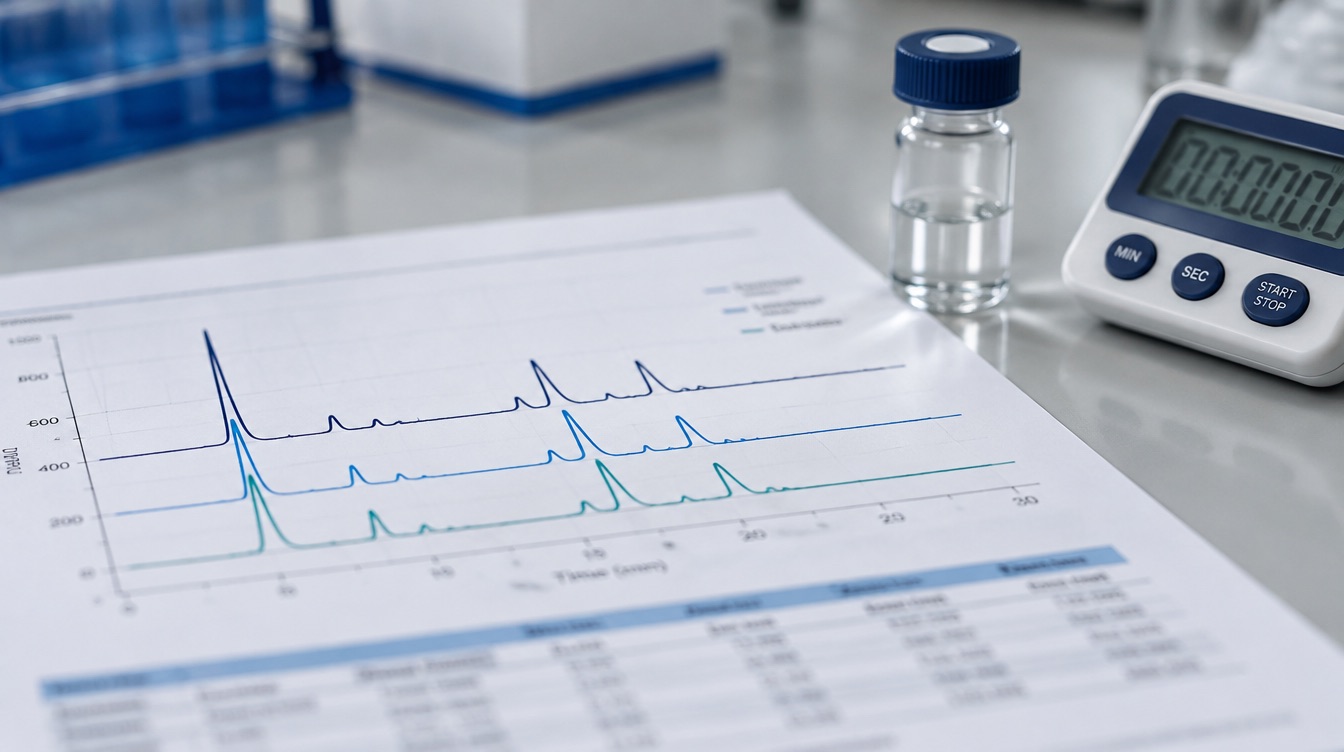 IllustrationBPC-15710 min readBPC-157 Stability After Reconstitution: The Chemistry and the ClaimsBPC-157 is called stable in gastric juice, yet no validated solution shelf life exists. Its aspartates and prolines set what a stability…Read article
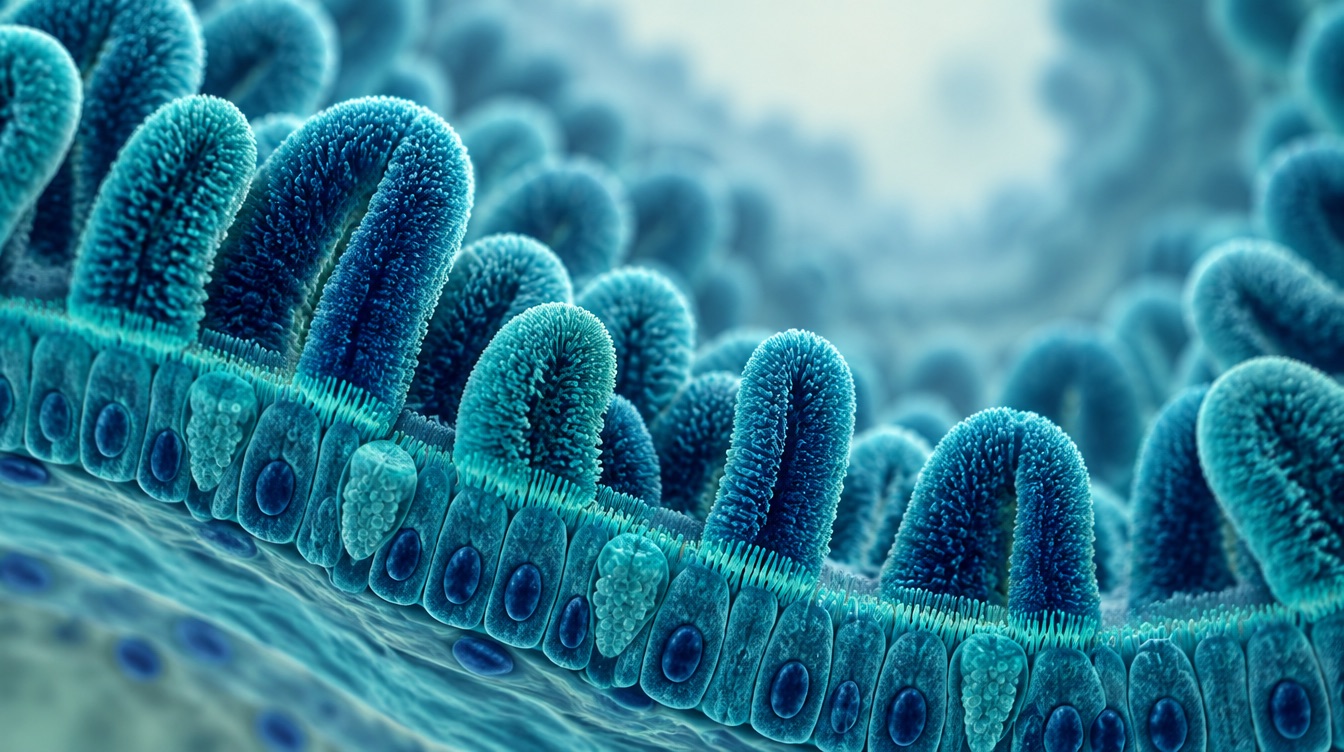 IllustrationBPC-1579 min readKPV vs BPC-157: Two Gut Peptides Compared on Mechanism and EvidenceKPV is a three-residue α-MSH fragment; BPC-157 is a 15-residue gastric sequence. Their proposed mechanisms, colitis models and evidence…Read article
 IllustrationBPC-15710 min readWhat Is BPC-157? The Peptide, Its Origin and the EvidenceWhat BPC-157 is: a synthetic 15-residue fragment of a gastric-juice protein, what three decades of mostly rat studies examined, and its…Read article
 IllustrationTB-50010 min readWhat Is TB-500? The Thymosin Beta-4 Fragment ExplainedWhat TB-500 is: the acetylated 17-23 fragment of thymosin beta-4, how it was identified, what the fragment itself has been tested in, and…Read article
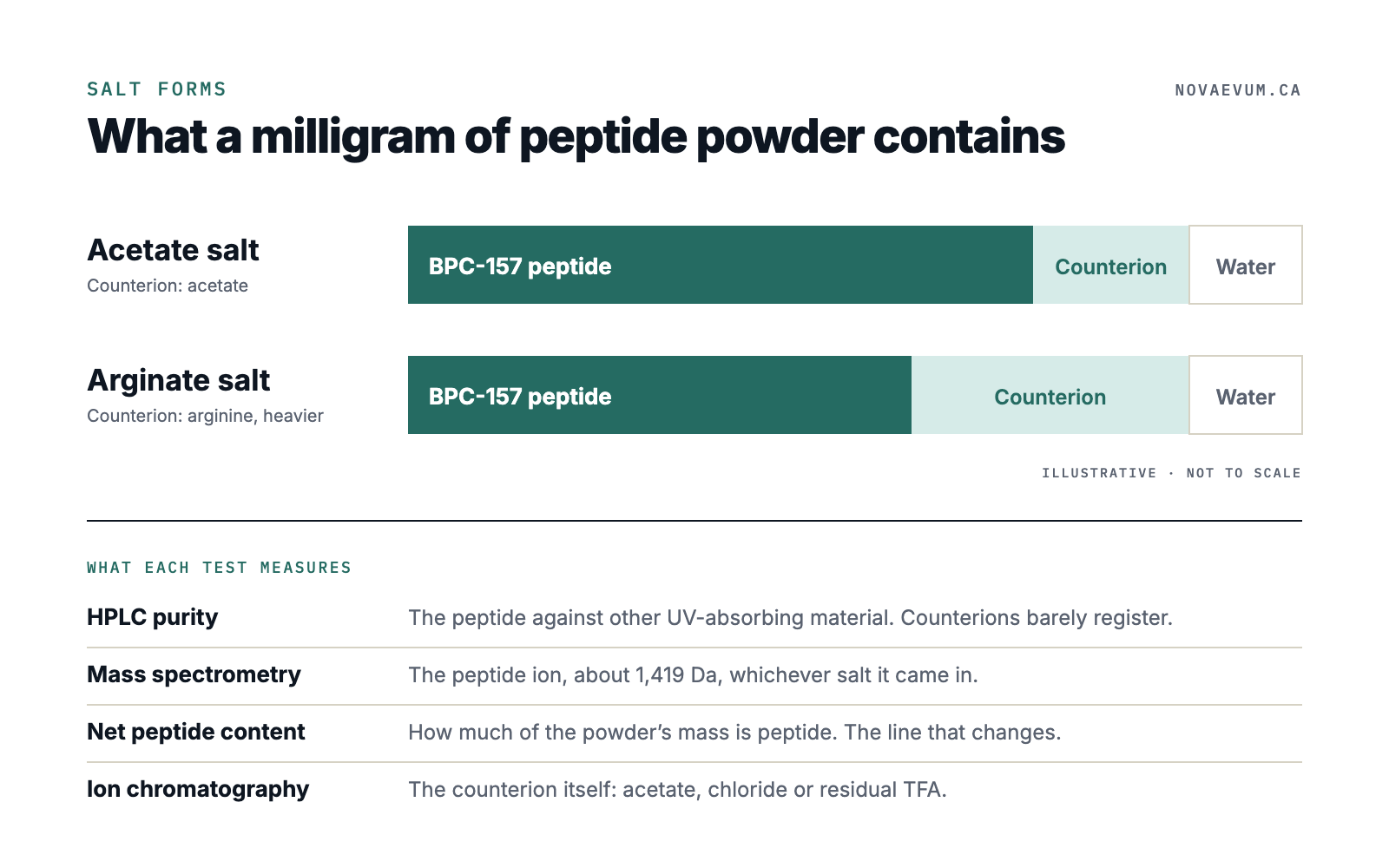 IllustrationBPC-1577 min readBPC-157 Arginate vs Acetate: Salt Forms, Claims and Research LimitsBPC-157 arginate vs acetate: what a peptide salt form is, how it changes a certificate of analysis, and why no published study compares the…Read article
 IllustrationBPC-1578 min readGHK-Cu vs BPC-157: Copper Peptide and Pentadecapeptide Research ComparedGHK-Cu vs BPC-157: a copper-binding tripeptide and a 15-residue gastric sequence compared by structure, research models, human evidence and…Read article
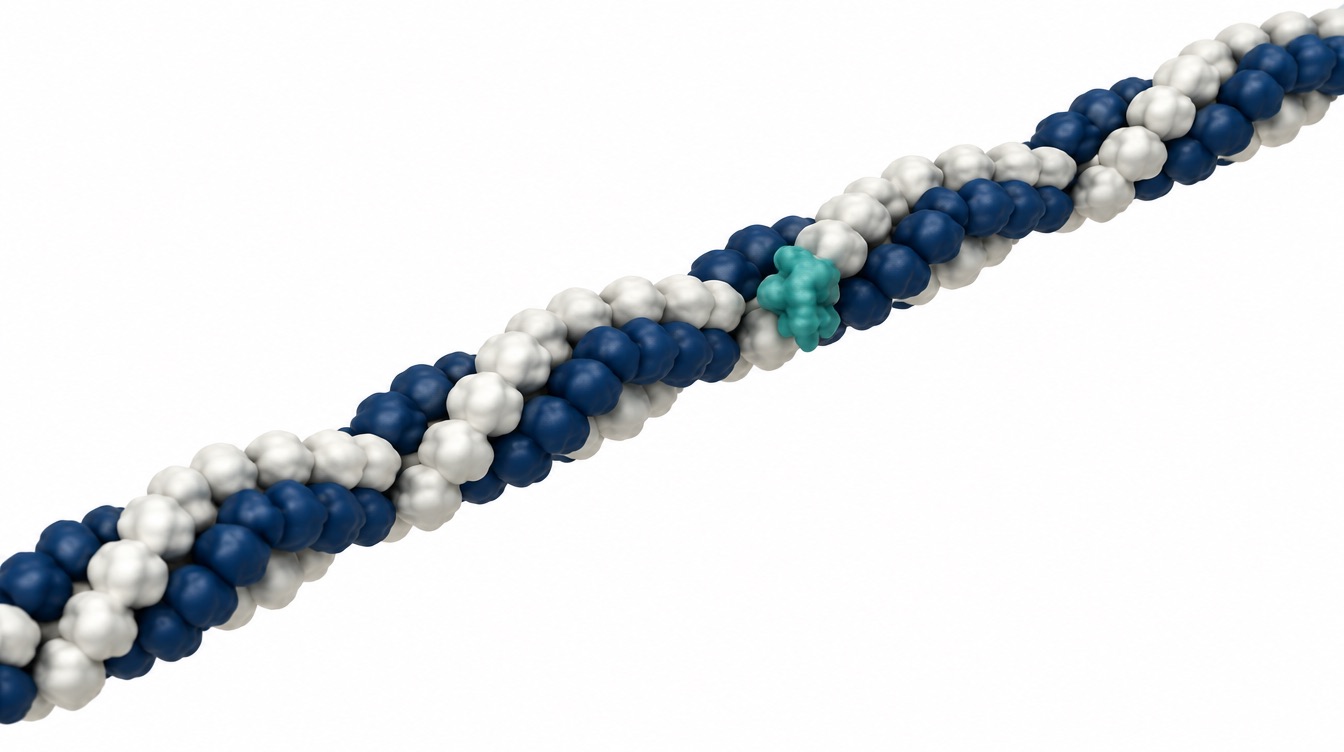 IllustrationTB-5002 min readTB-500 vs Thymosin Beta-4: Why Peptide Identity MattersTB-500 vs thymosin beta-4: understand fragment identity, full-length protein research and why evidence cannot be transferred.Read article
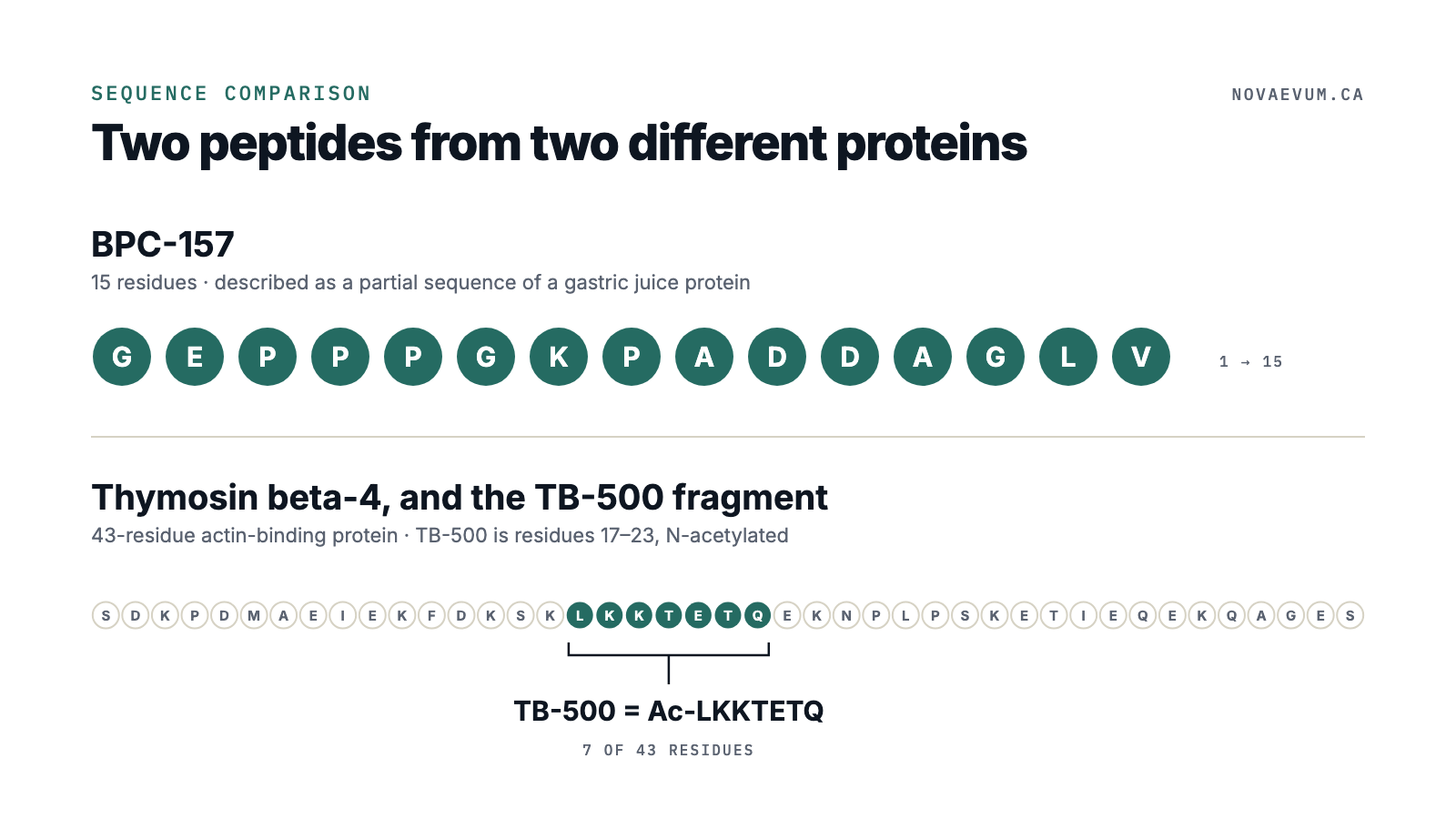 IllustrationBPC-1576 min readBPC-157 vs TB-500: two unrelated peptides that keep being sold togetherBPC-157 is a 15-residue gastric sequence; TB-500 a seven-residue thymosin beta-4 fragment. How they differ, what each literature examined…Read article
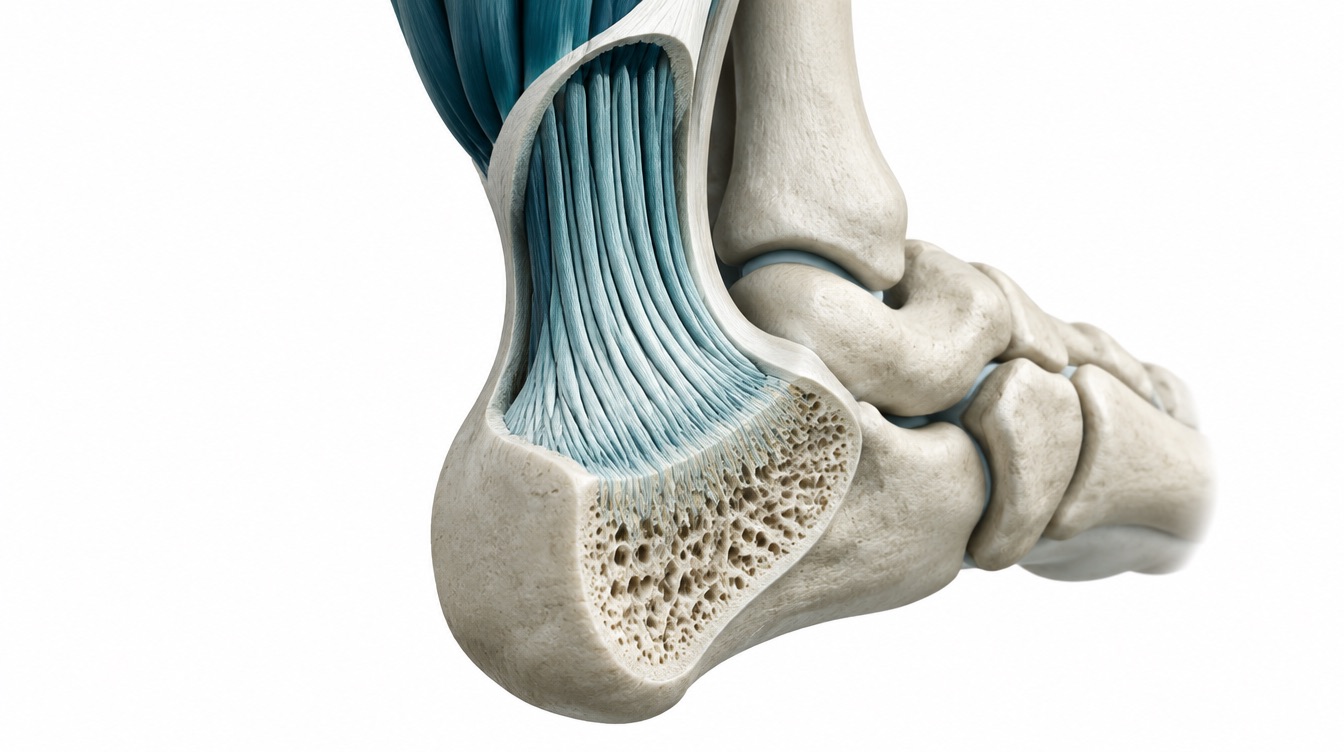 IllustrationBPC-1577 min readBPC-157 and connective tissue: what the tendon, ligament and bone literature actually showsNearly all of the BPC-157 connective-tissue literature is rat work, and most of it comes from one laboratory in Zagreb.Read article
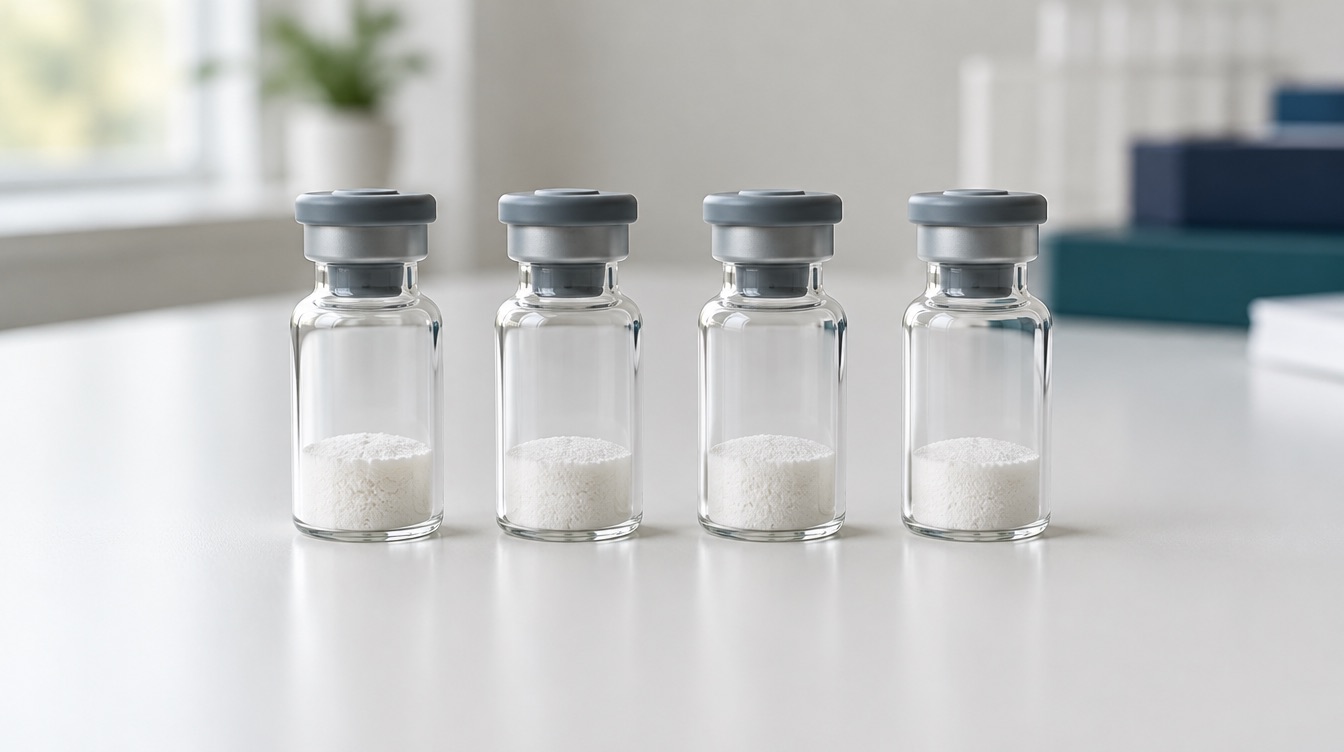 IllustrationBlends8 min readInside the KLOW blend: the four components, and how far the literature on each one goesKLOW is 80 mg in one vial: BPC-157, GHK-Cu, TB-500 and KPV. What each component's literature examined, and why four compounds means four…Read article
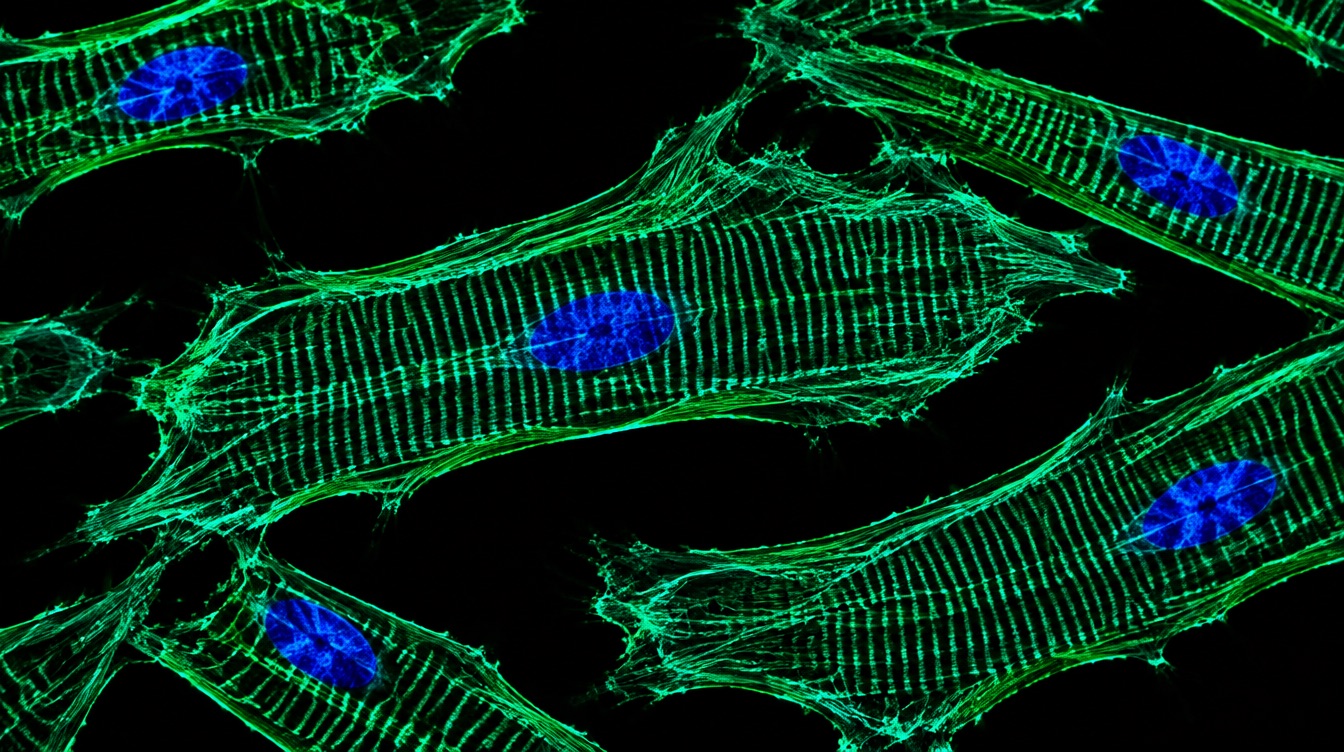 IllustrationTB-5007 min readTB-500 and the heart: the cardiac papers are about thymosin beta-4, not the fragmentThe cardiac literature tested thymosin beta-4, the full protein. TB-500 is a fragment of it. That difference decides what the papers…Read article
 IllustrationBlends8 min readWolverine Stack and the GLOW blend: what the third component changesBoth are BPC-157 and TB-500; GLOW adds GHK-Cu. What each component's literature examined, why total milligrams mislead, and where the…Read article