
Julian Hayes
Mitochondrial Biology Editor
Mitochondrial Science & Cellular Metabolism
NovaEvum Research Editorial
Education
- Biochemistry, McGill University
- Molecular Biology, Stanford University
Julian Hayes covers mitochondrial biology and cellular metabolism for NovaEvum Research Editorial.
This specialization explores mitochondrial-derived peptides, cardiolipin biology, cellular energy regulation and mitochondrial membrane processes.
Articles examine emerging molecular research and distinguish computational or preclinical findings from established clinical outcomes. Articles examine relevant peer-reviewed research from institutions, including Stanford University, the University of California, Los Angeles and other international centres of mitochondrial science.
Topics covered
- MOTS-c
- SS-31
- Elamipretide
- Cardiolipin
- Mitochondria
- Cellular metabolism
Research categories
University references in NovaEvum Research Editorial describe institutions whose published scientific literature may be examined in our editorial coverage. These references do not imply that NovaEvum or its authors are affiliated with, endorsed by, or collaborating with those institutions.
12 articles under this name
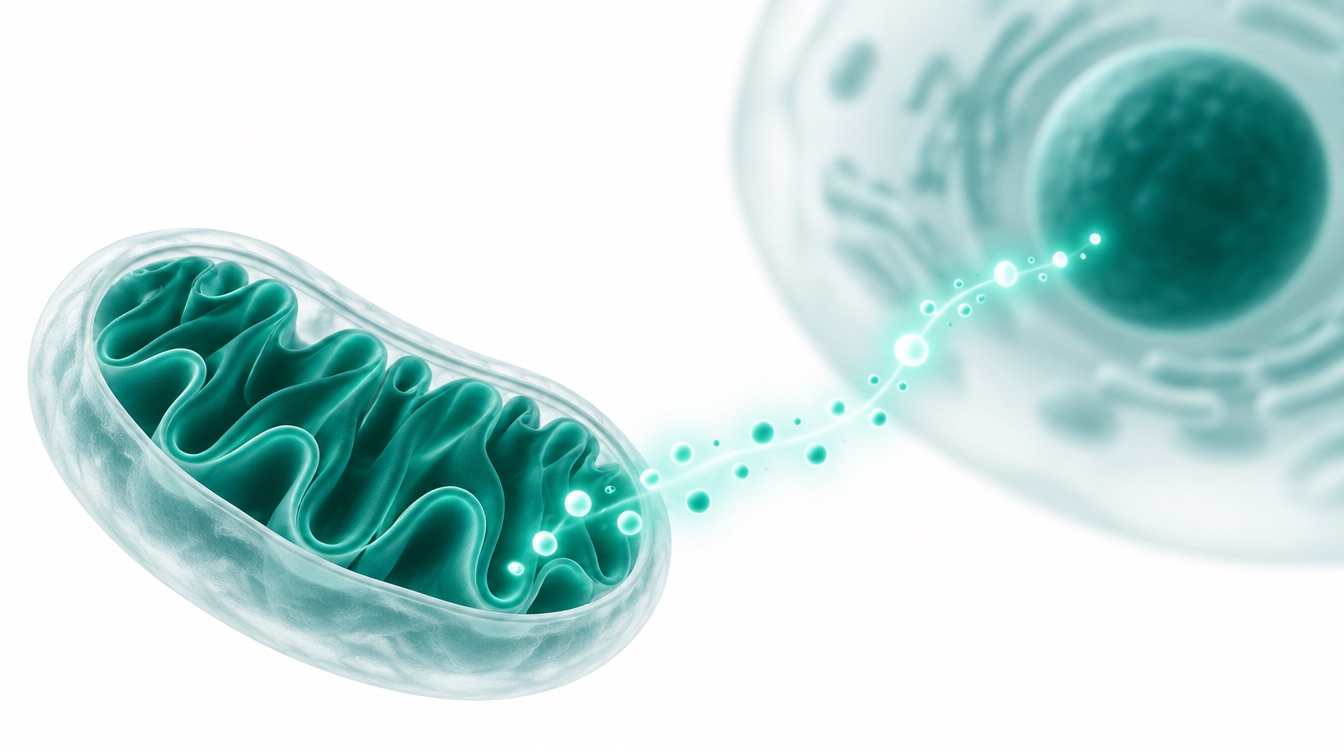 IllustrationMOTS-c5 min readMitochondrial Peptides in 2027: MOTS-c, SS-31 and the Future of Cellular EnergyMOTS-c and SS-31 heading into 2027: mitochondrial signalling versus cardiolipin biology, elamipretide's Barth syndrome approval, and what…Read article
 IllustrationBlends6 min readWhat Is MitoPrime? NAD+, MOTS-c and 5-Amino-1MQ in One Vial, ExplainedMitoPrime combines NAD+, MOTS-c and 5-Amino-1MQ. What each component is, how their literatures connect through NAD+ metabolism, and why the…Read article
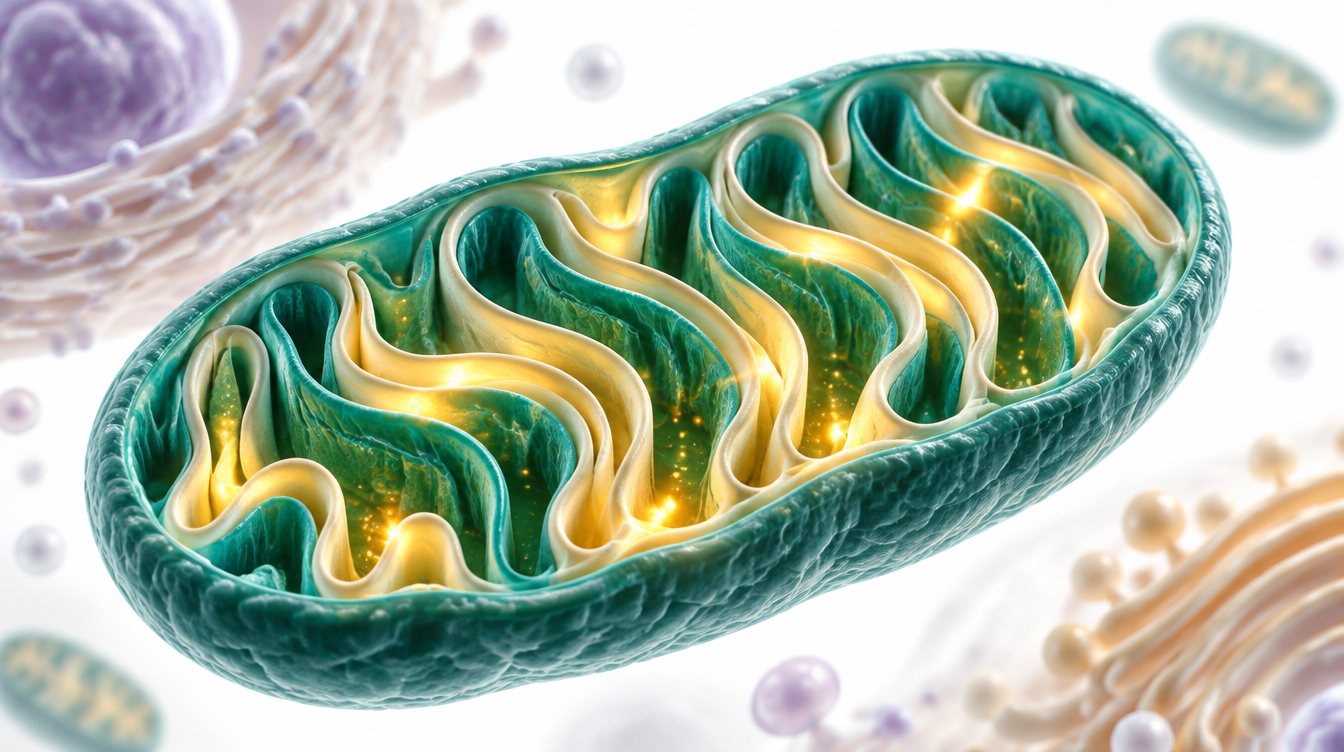 IllustrationMOTS-c7 min readThe Future of Mitochondrial Research: MOTS-c and SS-31 in 2026MOTS-c and SS-31 in 2026: mitochondrial-derived peptides, cardiolipin and Barth syndrome, a new computational MOTS-c study, and why the two…Read article
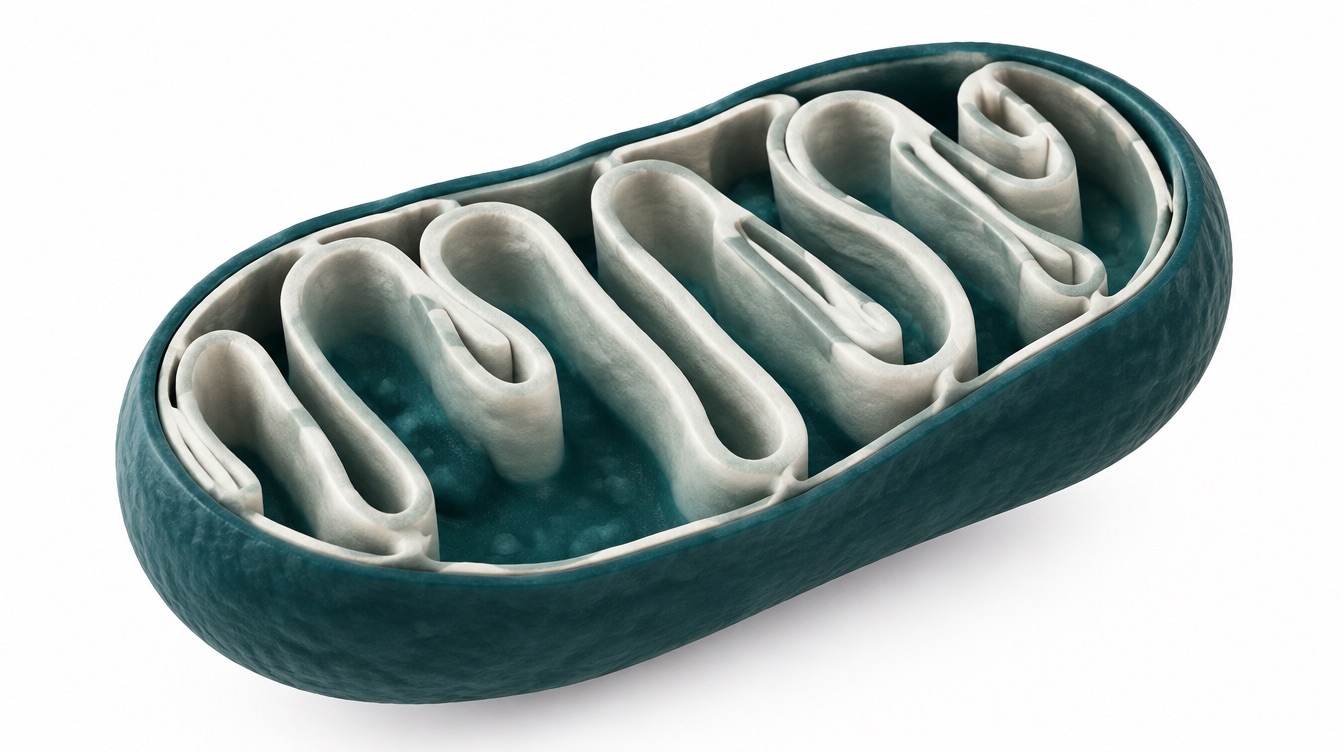 IllustrationMOTS-c10 min readWhat Is MOTS-c? Origin, Sequence, Evidence and Regulatory StatusMOTS-c is a 16-residue peptide encoded in mitochondrial DNA. Its sequence, proposed mechanisms, how far the evidence got, and its…Read article
 IllustrationERR and AMPK research10 min readATX-304 (O304) and AMPK: What the Research Actually ShowsATX-304, first published as O304, is an investigational pan-AMPK activator. The mouse work, the small diabetes trial, the uncoupler finding…Read article
 IllustrationSS-319 min readCardiolipin explained: the mitochondrial lipid behind cristae, Barth syndrome and SS-31 researchCardiolipin is a four-tailed lipid of the inner mitochondrial membrane. What it does, how Barth syndrome disrupts it, and why SS-31…Read article
 IllustrationMOTS-c9 min readMOTS-c Stability After Reconstitution: What Solution Data Can ShowNo validated shelf life exists for MOTS-c in solution. Its two methionines, tryptophan and cationic charge decide what a stability study…Read article
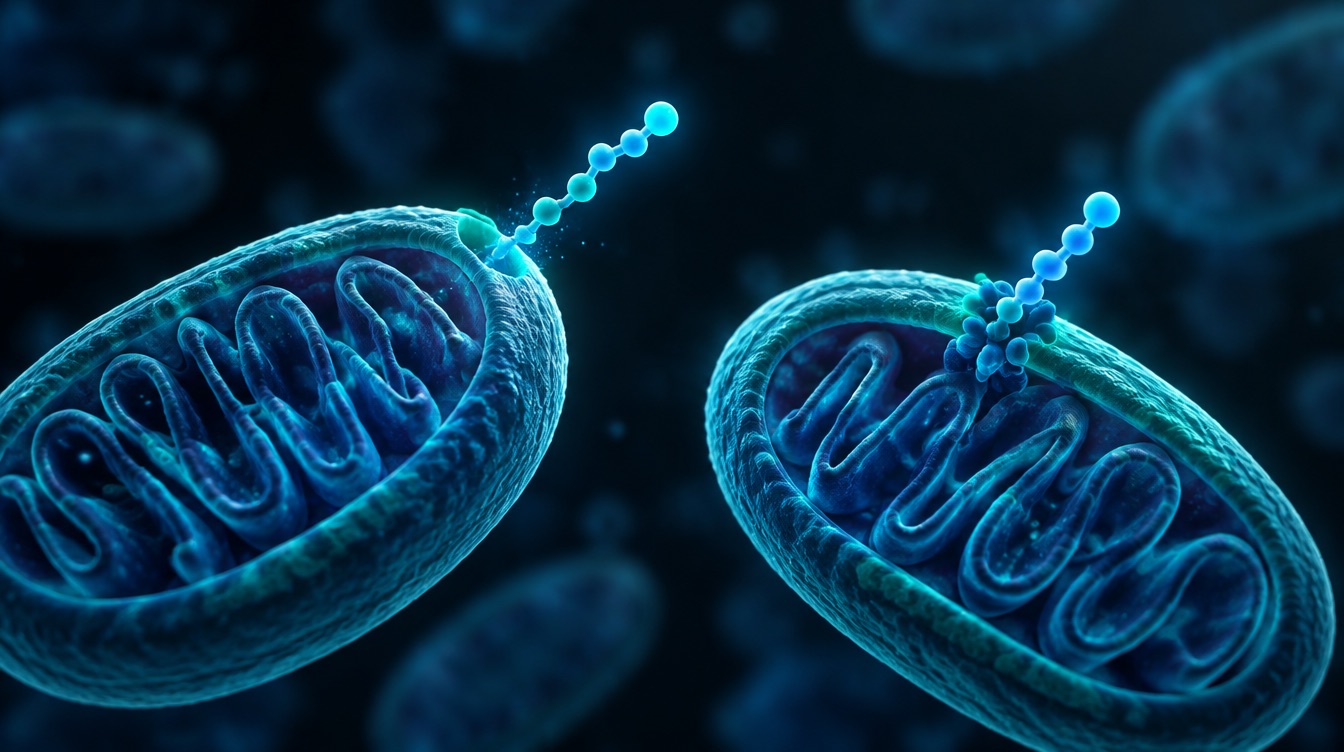 IllustrationMOTS-c9 min readMOTS-c vs SS-31: Two Mitochondrial Peptides That Are Nothing AlikeMOTS-c is a peptide the mitochondrial genome encodes; SS-31 is a synthetic cardiolipin binder. Origin, mechanism, evidence and approval…Read article
 IllustrationERR and AMPK research10 min readSLU-PP-332 vs SLU-PP-915: How the Two ERR Agonists DifferSLU-PP-332 and SLU-PP-915 compared: chemistry, ERR subtype activity, the mouse studies behind each, and why neither has any human data.Read article
 IllustrationSS-3111 min readSS-31 (Elamipretide) Eye Research: What the Macular Degeneration and LHON Trials FoundSS-31 eye research, trial by trial: the mouse vision studies, the ReCLAIM dry AMD trials, the LHON study, and why the 2025 US approval is…Read article
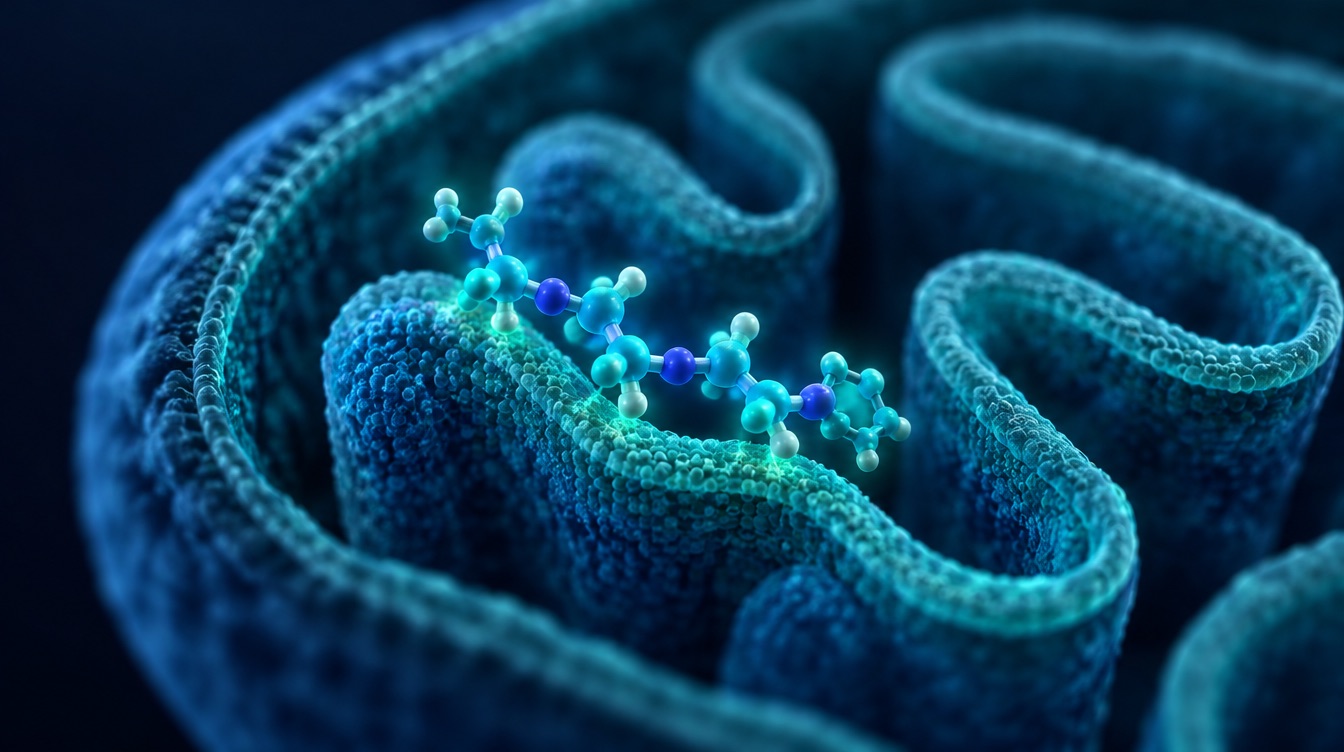 IllustrationSS-3111 min readWhat Is SS-31 (Elamipretide)? Structure, Mechanism and the Trial RecordSS-31 (elamipretide) is a synthetic cardiolipin-binding tetrapeptide. Its structure, mechanism, trial record and its one US approval, for…Read article
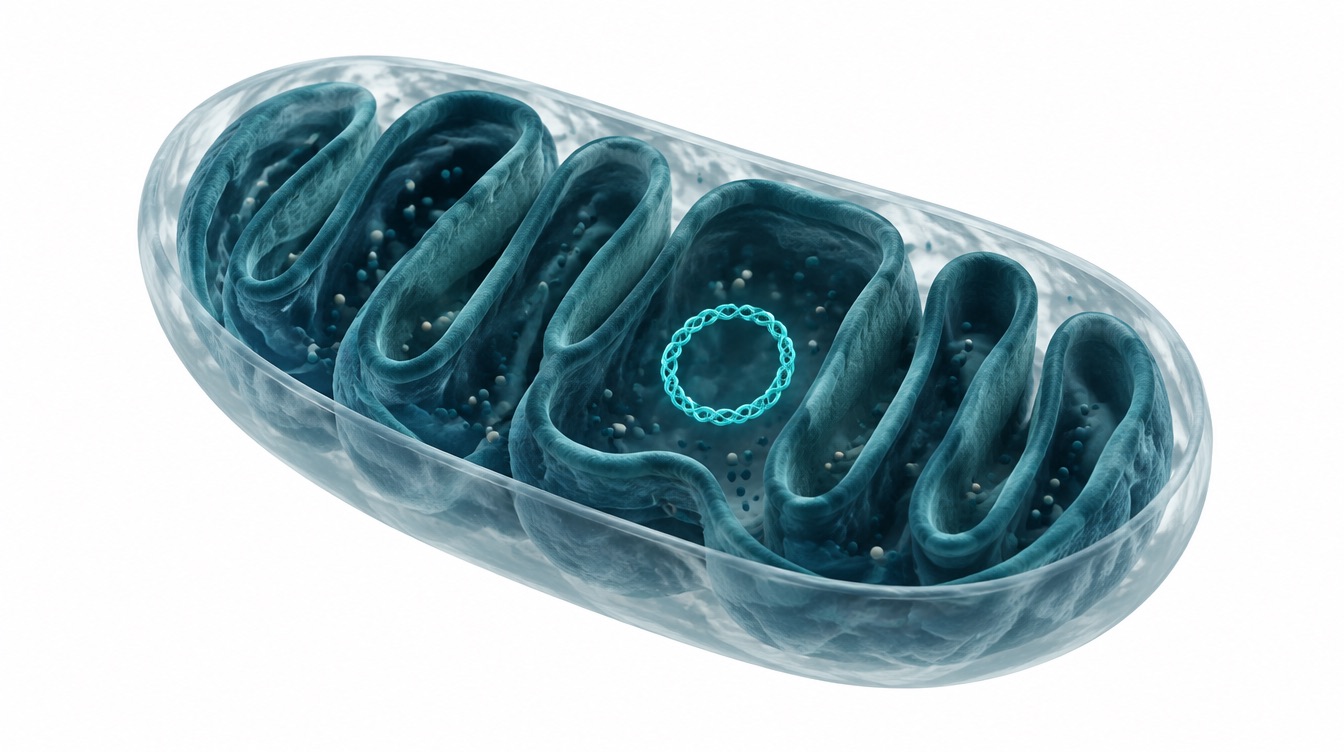 IllustrationMOTS-c8 min readMOTS-c: a peptide encoded by the mitochondrial genome, and what the thin human evidence saysMOTS-c is encoded in mitochondrial DNA. The literature is cell and mouse work plus human genetics — no controlled human trial of the…Read article