
Elena Whitmore
Molecular Biology Editor
Molecular & Cellular Biology
NovaEvum Research Editorial
Education
- Molecular Biology, McGill University
- Cell Biology, Stanford University
Elena Whitmore covers molecular and cellular biology for NovaEvum Research Editorial.
This coverage examines how peptide molecules interact with biological receptors, intracellular signalling networks and cellular regulatory mechanisms.
Coverage focuses on published experimental findings, molecular mechanisms and the scientific methods used to investigate peptide-related cellular activity. Articles explore relevant scientific findings from institutions, including Stanford University and other centres of molecular research.
Topics covered
- Cellular signalling
- Peptide receptors
- Molecular interactions
- Intracellular communication
- Protein biology
Research categories
University references in NovaEvum Research Editorial describe institutions whose published scientific literature may be examined in our editorial coverage. These references do not imply that NovaEvum or its authors are affiliated with, endorsed by, or collaborating with those institutions.
19 articles under this name
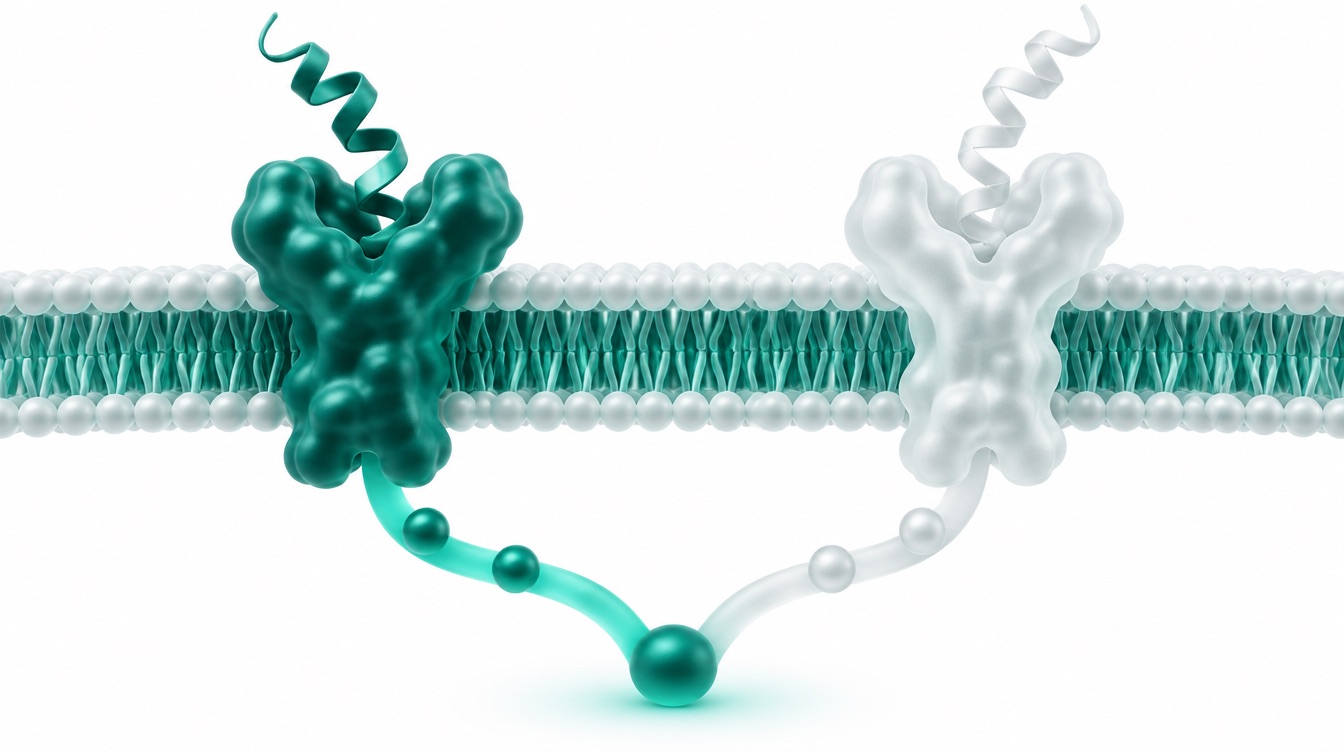 IllustrationGLP-1 and metabolic4 min readBeyond GLP-1: Why Amylin Peptides Could Be the Next Major BreakthroughAmylin research beyond GLP-1: what amylin is, cagrilintide and CagriSema, zenagamtide (amycretin), eloralintide and petrelintide, and the…Read article
 IllustrationARA-2907 min readARA-290 and the Small Fibre Neuropathy Trials: What Was Measured and What It ShowsThree small trials tested ARA-290 in sarcoidosis-related small fibre neuropathy. What each measured, why the cornea, and how far the…Read article
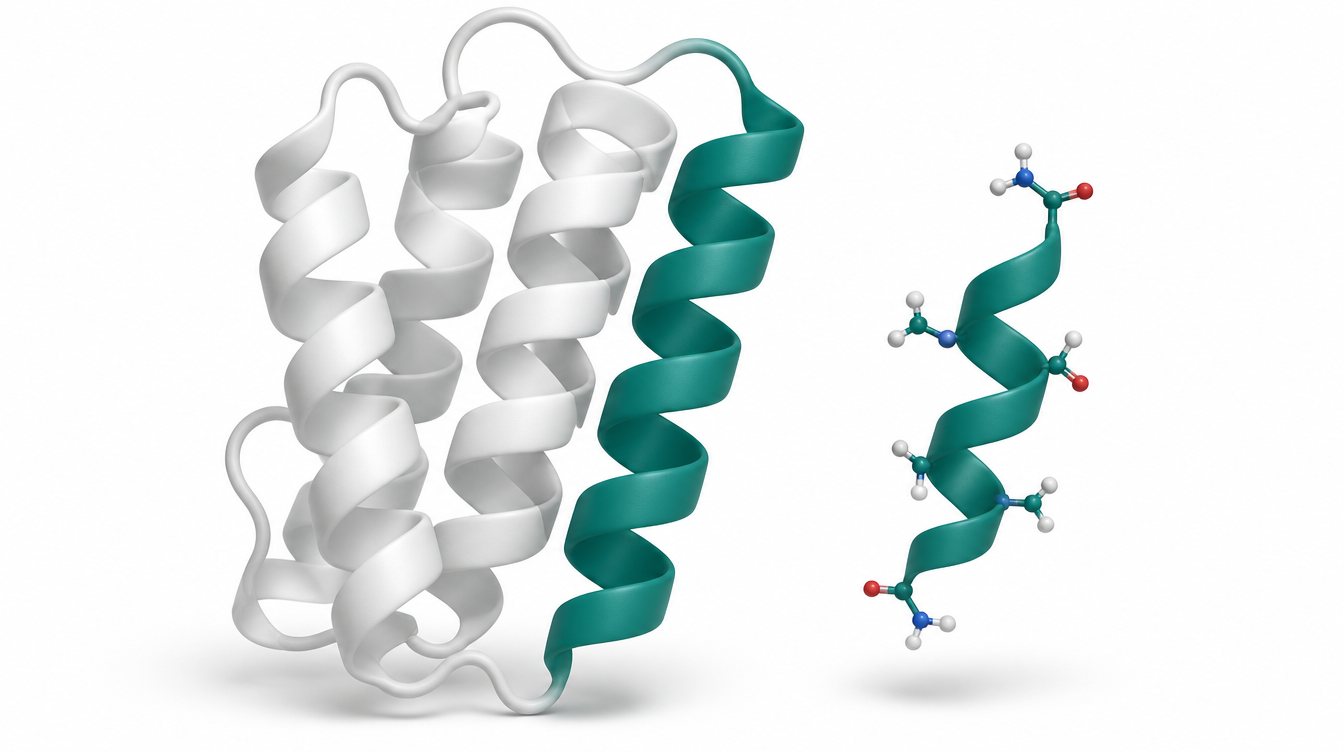 IllustrationARA-2908 min readWhat Is ARA-290 (Cibinetide)? Structure, Receptor, Trials and StatusARA-290 is an 11-amino-acid peptide modelled on one face of erythropoietin. Its origin, the receptor it targets, what the trials measured…Read article
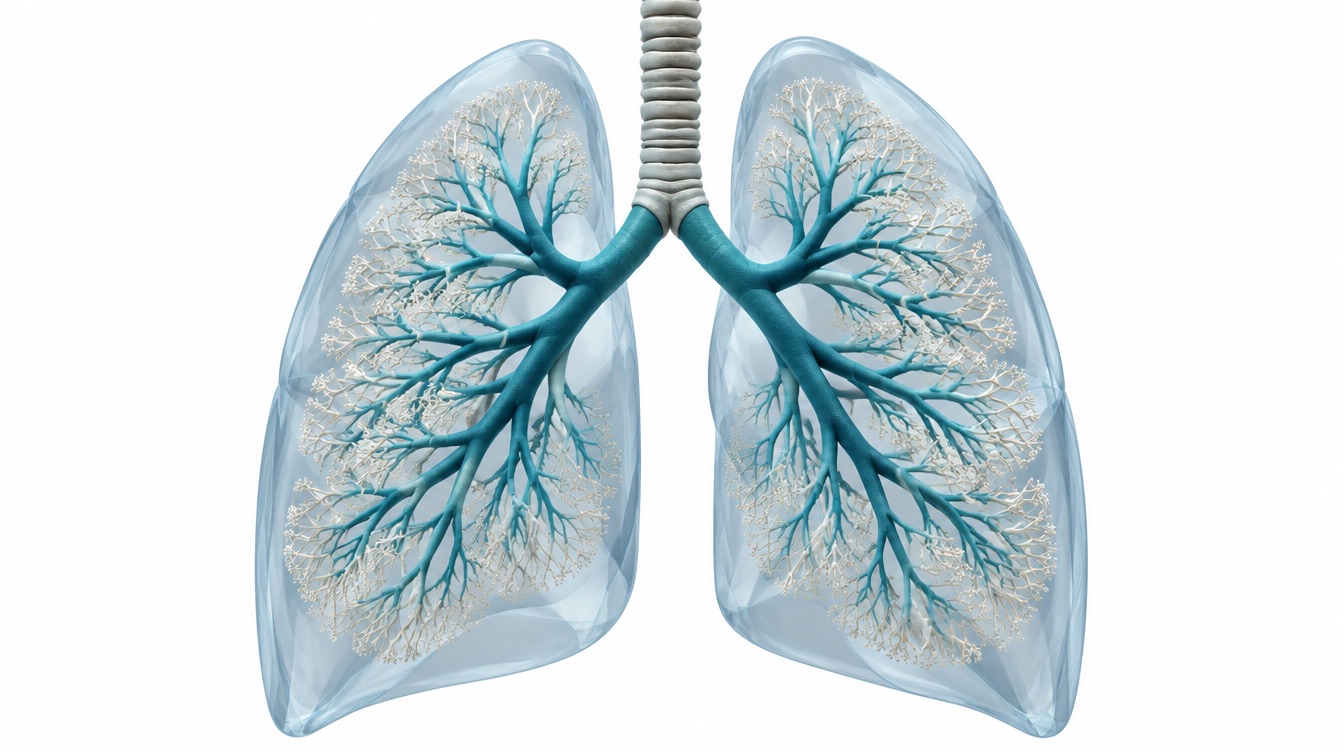 IllustrationVIP6 min readWhat Is VIP (Vasoactive Intestinal Peptide)? Structure, Receptors, Trials and StatusVIP is a 28-residue neuropeptide isolated from pig intestine in 1970. Its receptors, what lung and immune work measured, and what aviptadil…Read article
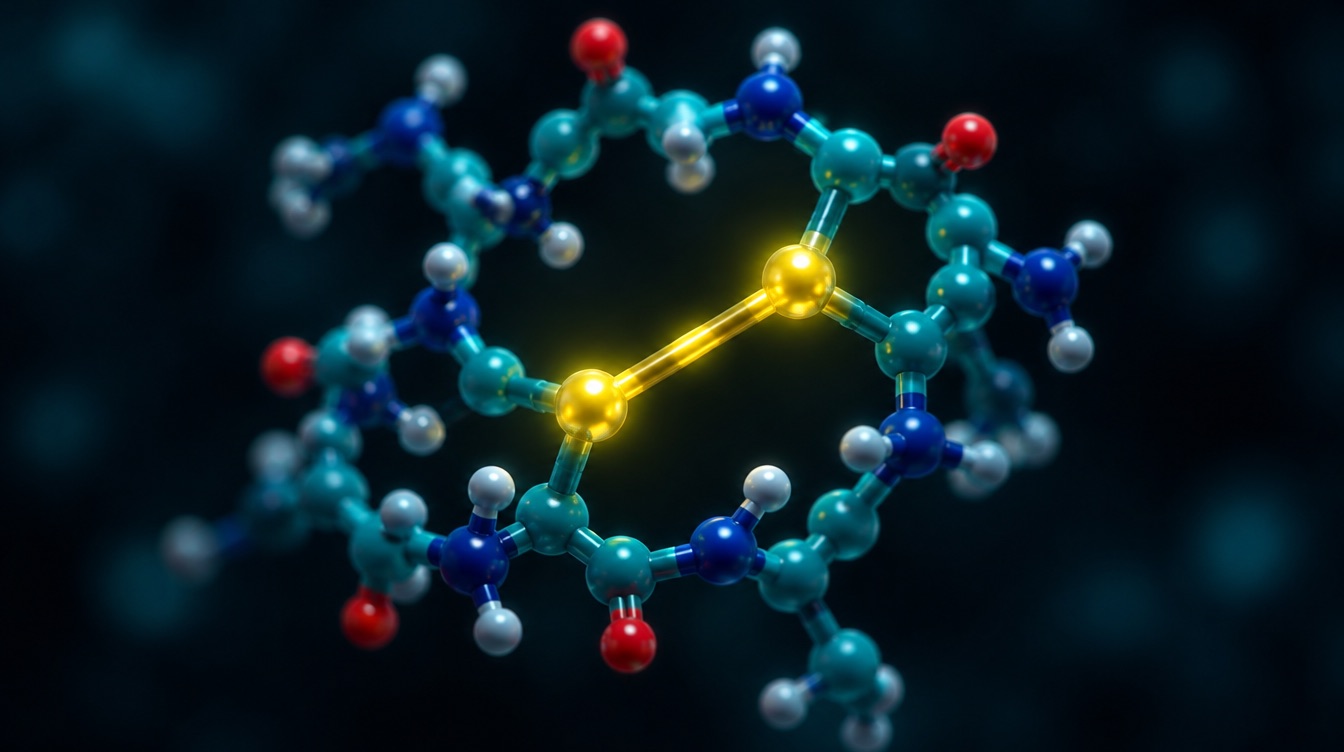 IllustrationGlutathione10 min readWhat Is Glutathione? Structure, Cell Biology, Evidence and Regulatory StatusGlutathione is a cell-made tripeptide with an unusual gamma bond. Its structure, what it does in cells, how far the evidence got, and its…Read article
 IllustrationFoundations10 min readCyclic Peptides Explained: Head-to-Tail, Disulfide and Stapled RingsThe ways a peptide can be closed into a ring, what cyclisation does to stability and permeability, and which approved medicines are cyclic.Read article
 IllustrationGlutathione10 min readReduced vs Oxidized Glutathione: GSH, GSSG and the Ratio Between ThemReduced glutathione (GSH) is a thiol; oxidized glutathione (GSSG) is its disulfide. The chemistry, the GSH/GSSG ratio, and why it is easy…Read article
 IllustrationFoundations9 min readPeptide Half-Life Explained: Plasma Clearance, Shelf Stability and Extension StrategiesPlasma half-life, shelf stability and duration of effect are three different numbers. Why native peptides clear fast, and how approved…Read article
 IllustrationFoundations11 min readPeptide vs Protein: What Actually Separates ThemPeptides and proteins are both amino acid chains. How length, folding, synthesis and stability separate them, and why insulin sits right on…Read article
 IllustrationThymosin Alpha-111 min readThymosin alpha 1 and Zadaxin: where thymalfasin is approved, and what the trials foundZadaxin (thymalfasin) is licensed in over 35 countries, mainly for hepatitis B. The hepatitis trials, the COVID-era studies, and its status…Read article
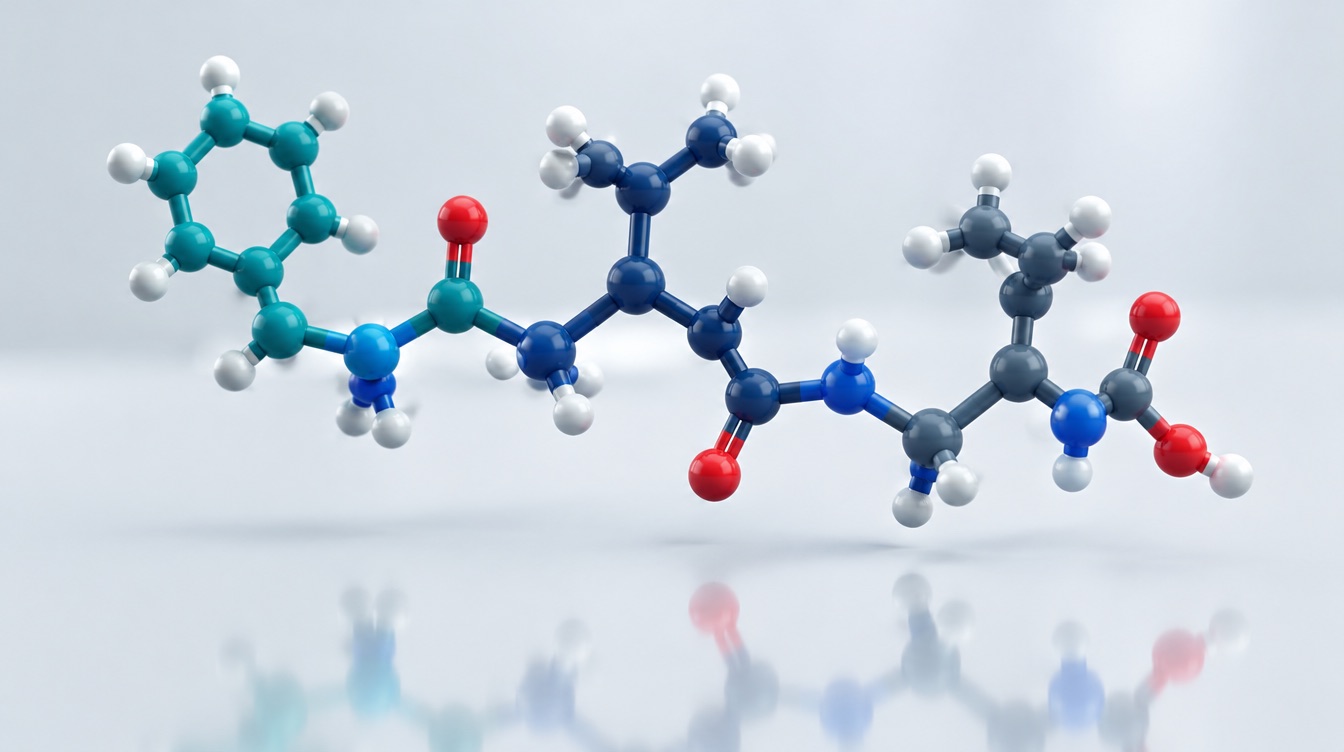 IllustrationKPV9 min readWhat Is KPV Peptide? The α-MSH Tripeptide ExplainedWhat KPV is: Lys-Pro-Val, the last three residues of α-MSH, how it was found, what its cell and mouse studies examined, and why KdPT is not…Read article
 IllustrationFoundations9 min readWhat Are Peptides? Understanding Their Science, Research, and SafetyWhat peptides are, how they signal, where they are studied, and why an approved peptide medicine and an experimental research peptide are…Read article
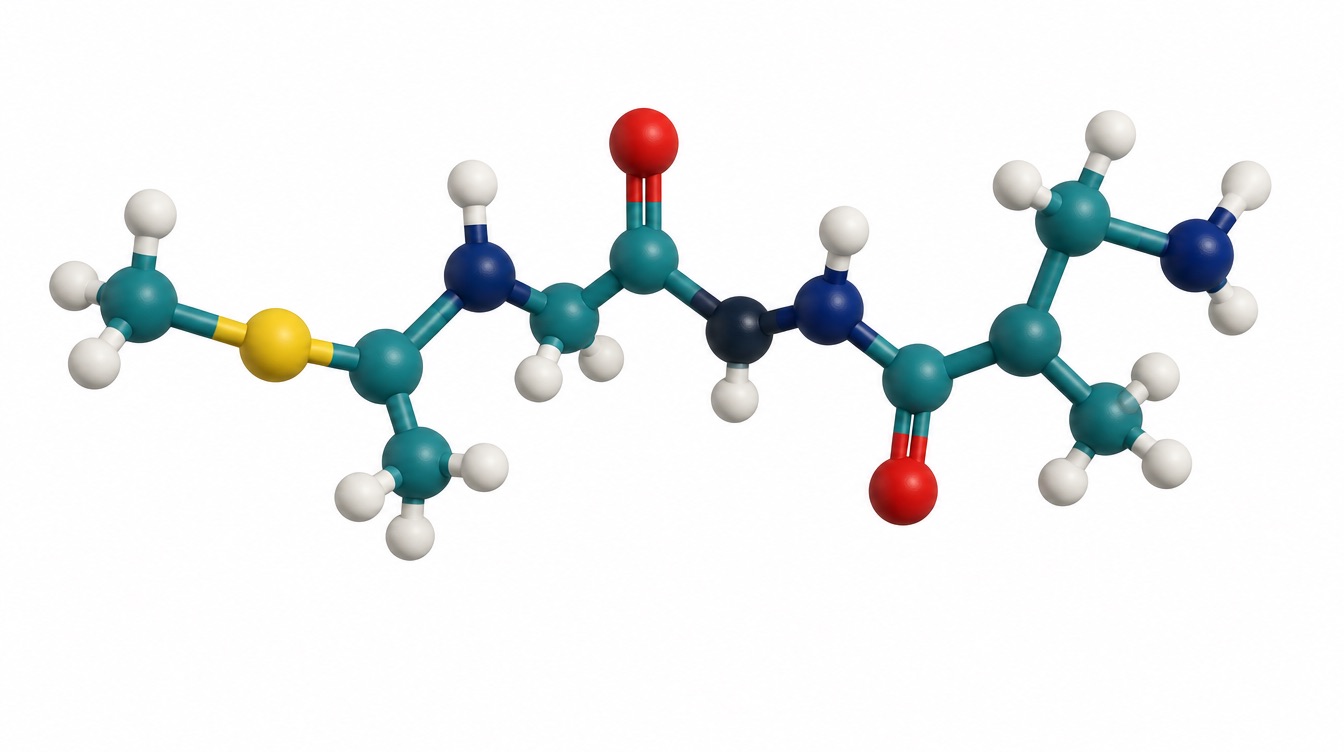 IllustrationGlutathione7 min readGlutathione and oxidative stress: a large literature that does not say what it is sold forGlutathione is the most abundant thiol antioxidant inside human cells. Almost none of that biology supports the claims attached to the vial.Read article
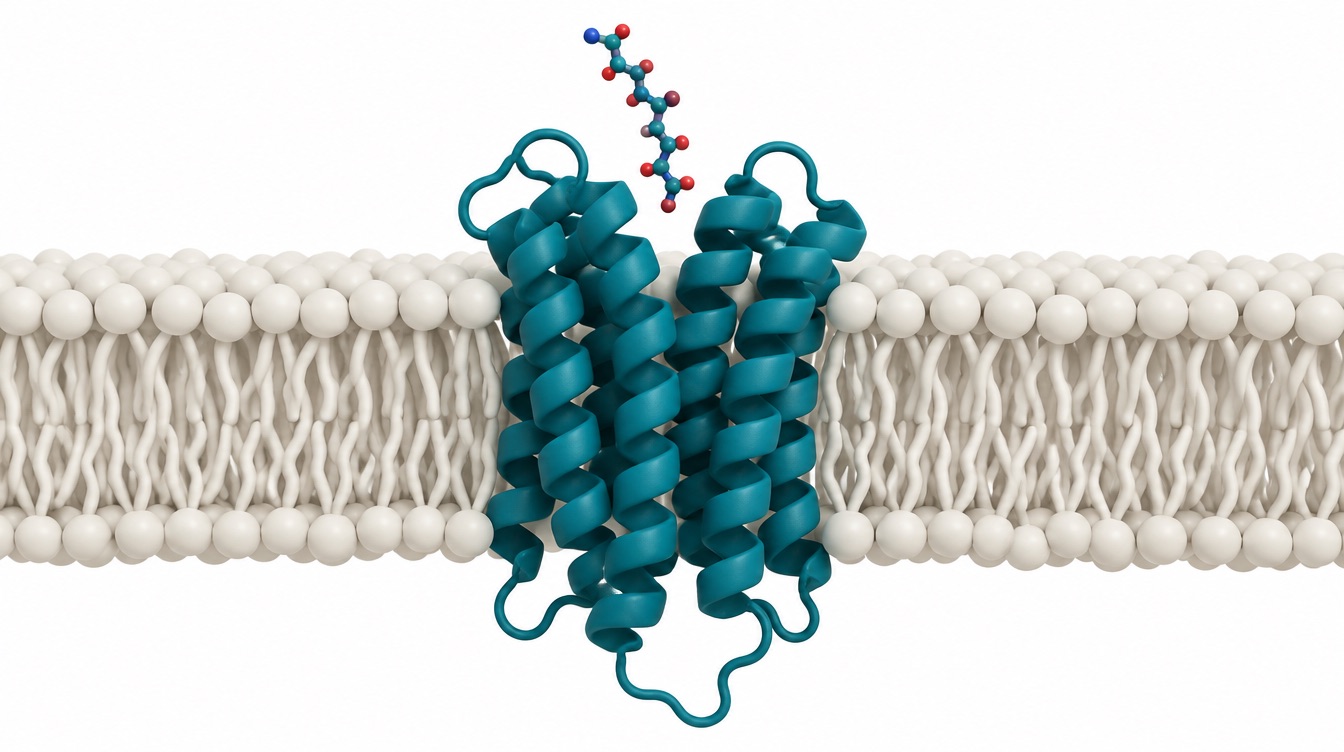 IllustrationFoundations8 min readHow peptide receptor signalling is studied: binding, activation and what an assay result meansAffinity, potency and efficacy are three different things. What radioligand binding, cAMP and arrestin assays measure, and where each one…Read article
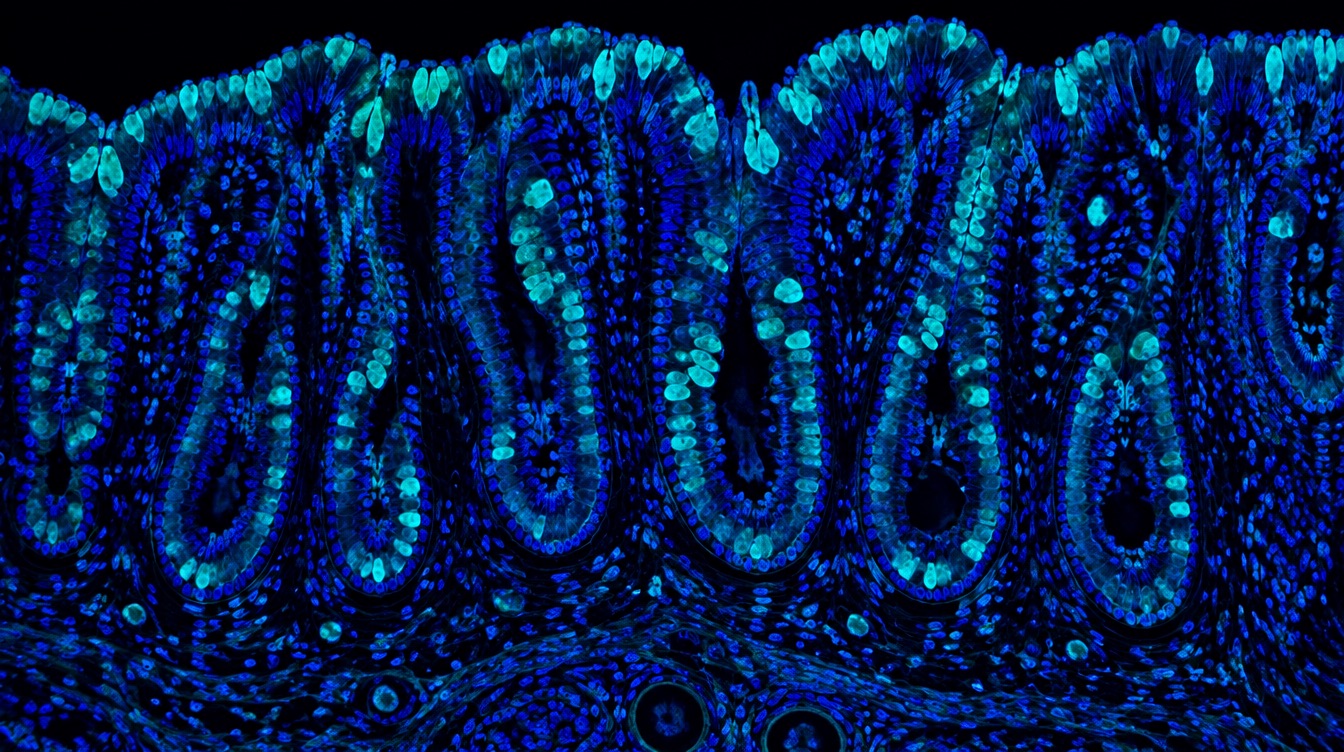 IllustrationKPV7 min readKPV and the colitis literature: what the PepT1 papers actually examinedThe KPV gut literature rests on two 2008 papers in mice and one transporter mechanism. Here is what they examined and where the evidence…Read article
- IllustrationKPV7 min readKPV and airway inflammation: how far the α-MSH evidence actually reachesThe airway literature here is α-MSH work, not KPV work. This sets out the chain of inference, where it breaks, and why no asthma trial…Read article
 IllustrationFoundations8 min readA working glossary of peptide research termsThirty-two terms you meet reading peptide literature, certificates of analysis and regulatory pages, each defined in a sentence or two.Read article
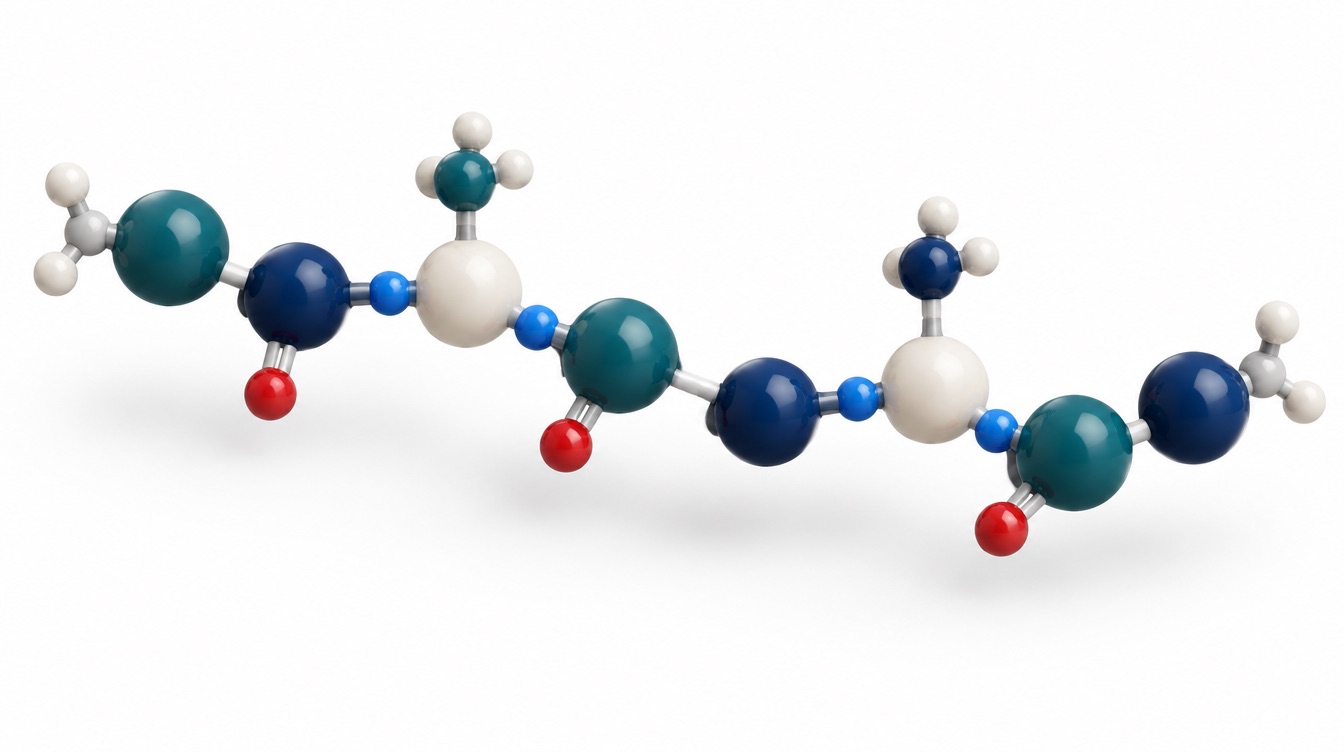 IllustrationFoundations8 min readPeptides explained: what they are, how they are made, and what their literature can establishWhat a peptide is chemically, where these sequences come from, how they are made, and why nearly all of their literature is preclinical.Read article
 IllustrationThymosin Alpha-17 min readThymosin Alpha-1: what the literature examines, and the molecule it gets confused withLicensed as Zadaxin in around 35 countries, approved in neither Canada nor the US. What the research examines — and why it is not Thymosin…Read article