
L-Carnitine
What Is L-Carnitine? The Carnitine Shuttle, the Evidence and Its Status
AM
· 6 min read
A summary of published research, with citations. It states no amount, schedule or route, and makes no claim about what this compound does in a person. Supplied for laboratory research use only.
On this page · 6 sections
L-Carnitine, or levocarnitine, is a small molecule the body makes from the amino acids lysine and methionine and also takes in from food, mostly red meat. It is not a peptide. Its job is well established: it carries long-chain fatty acids across the inner membrane of the mitochondrion so they can be broken down for energy. Its clinical record is in carnitine deficiency, where levocarnitine is a prescription medicine in the United States. Outside deficiency, a large number of small supplement trials report modest and inconsistent results.
What is L-Carnitine made of?
A four-carbon chain carrying a hydroxyl group, a carboxylic acid and a trimethylammonium group, which gives it a permanent positive charge alongside its negative one. It has one chiral centre. The L form, which chemists call (R)-carnitine, is the one the body makes and uses; the D form is not the biologically active one.
| Property | L-Carnitine |
|---|---|
| Also called | Levocarnitine; (R)-carnitine; L-3-hydroxy-4-(trimethylammonio)butanoate |
| CAS number (PubChem) | 541-15-1 |
| Molecular formula (PubChem) | C7H15NO3 |
| Molecular weight (PubChem) | About 161 g/mol |
| Made from | Lysine and methionine, in the liver and kidney |
| Evidence stage | Established biochemistry; clinical record in carnitine deficiency |
| Regulatory status | Prescription medicine in the US for carnitine deficiency |
How does the carnitine shuttle work?
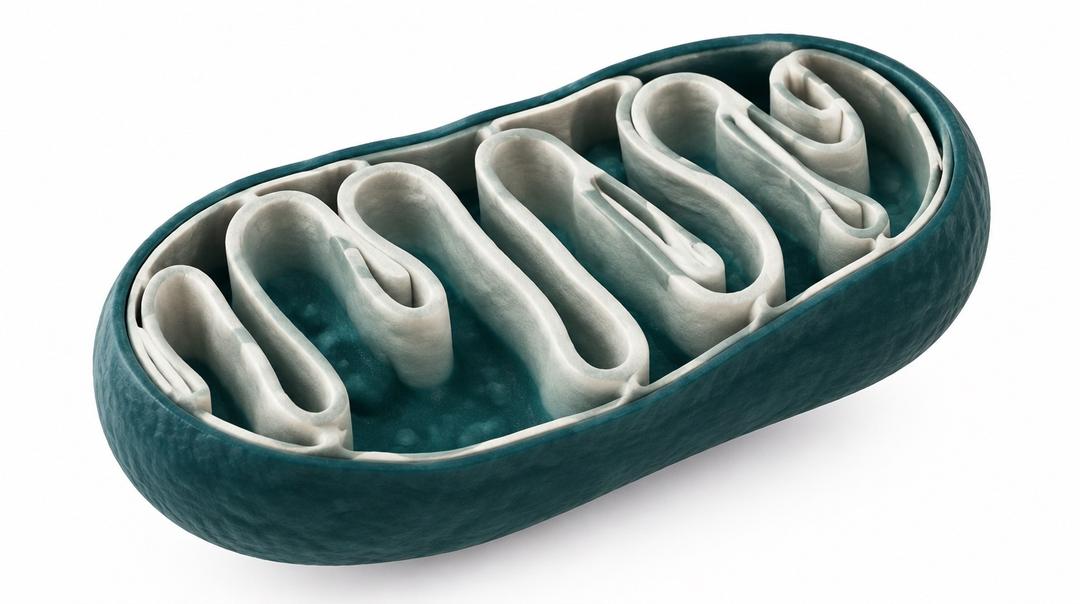
Fatty acids with long chains cannot cross the inner mitochondrial membrane on their own. The shuttle moves them in three steps, as reviewed by Longo and colleagues (PMID 26828774):
- On the outer membrane, carnitine palmitoyltransferase I (CPT I) swaps the fatty acid from coenzyme A onto carnitine, making an acylcarnitine.
- Across the inner membrane, a translocase carries the acylcarnitine in and carries free carnitine back out.
- Inside, carnitine palmitoyltransferase II (CPT II) moves the fatty acid back onto coenzyme A, where beta-oxidation can begin.
CPT I is the control point: malonyl-CoA, made when a cell is building fat, inhibits it, so a cell does not burn and build fat at the same time. Carnitine itself enters cells through a transporter called OCTN2. That transporter is what fails in the inherited disorder that gives carnitine its clearest medical role.
What has L-Carnitine been studied for?
| Area | Evidence stage | What exists |
|---|---|---|
| Primary carnitine deficiency | Established clinical use | Inherited OCTN2 defect, found by newborn screening |
| Secondary deficiency, including in dialysis | Clinical trials and meta-analyses | Dialysis removes carnitine; trials measure lipids, anaemia and symptoms |
| Body weight in adults | Many small randomised trials | Meta-analyses report modest average differences |
| Gut-microbe metabolism | Human and mouse studies | Bacteria convert carnitine to TMA, then TMAO |
Primary carnitine deficiency is an inherited defect in the OCTN2 transporter. The kidneys cannot hold on to carnitine, levels fall, and fat cannot be used for fuel during fasting. Longo describes how it presents and how newborn screening detects it (PMID 27931018). It is the condition in which levocarnitine's role is least disputed.
Dialysis removes carnitine from the blood, and people on long-term haemodialysis often have low levels. Trials in that group measure blood lipids, anaemia and symptoms; a meta-analysis by Huang and colleagues pooled the lipid results (PMID 24525835).
Body weight is where the largest literature sits and the evidence is weakest. Askarpour and colleagues pooled 43 randomised trials and reported an average difference of about one kilogram in body weight, with no change in body-fat percentage or waist circumference, and large differences between studies (PMID 31743774). An average difference of that size across trials of varying design and quality is a statistical finding about those trials, not a reliable effect in any one person. Why small pooled differences need caution is covered in surrogate endpoints explained.
Gut microbes add a complication. Koeth and colleagues showed that gut bacteria convert dietary L-carnitine to trimethylamine, which the liver turns into trimethylamine N-oxide (TMAO), and linked that pathway to atherosclerosis in mice and to TMAO levels in people (PMID 23563705). It is one reason the long-term effects of high carnitine intake remain an open question.
Is L-Carnitine approved anywhere?
Yes, for a narrow use. Levocarnitine is approved in the United States as a prescription medicine for primary and secondary carnitine deficiency. It is also sold as a dietary supplement in many countries. Neither status extends to a research-grade solution sold for laboratory use. Status in Canada can be checked in the Drug Product Database, and the general framework is set out in peptides and Canadian law.
What is L-Carnitine commonly confused with?
Acetyl-L-carnitine. L-Carnitine with an acetyl group attached, studied separately, mostly in the nervous system. Results for one do not transfer to the other.
Carnitine supplements. The molecule may be the same, but a supplement is a food product with its own rules. This is a laboratory research solution.
A peptide. It is often sold beside peptides because it is studied in the same mitochondrial research. It has no amino-acid chain.
Supplied here for laboratory use: L-Carnitine. For laboratory research use only.
The findings above describe the compound in the cells, animals and people studied, not any laboratory reagent. Nothing here is medical, dosing, or therapeutic guidance.
Frequently asked questions
Is L-Carnitine an amino acid? Not one of the twenty used to build proteins. It is a small molecule made from two of them, lysine and methionine, and it is sometimes loosely called an amino acid because of how it is made.
What is the difference between L-Carnitine and levocarnitine? None. Levocarnitine is the drug name for L-Carnitine.
Does L-Carnitine burn fat? It carries fatty acids into mitochondria, which is necessary for burning them, but having more carnitine does not make a cell burn more fat. Trials in adults report small and inconsistent differences in body weight.
Is L-Carnitine legal in Canada? It is sold here as a laboratory research chemical, not for human use. Supplement and prescription products follow separate rules.
Selected Research References
- Longo N, Frigeni M, Pasquali M. Carnitine transport and fatty acid oxidation. Biochimica et Biophysica Acta. 2016;1863(10):2422-2435. pubmed.ncbi.nlm.nih.gov/26828774
- Longo N. Primary Carnitine Deficiency and Newborn Screening for Disorders of the Carnitine Cycle. Annals of Nutrition and Metabolism. 2016;68(Suppl 3):5-9. pubmed.ncbi.nlm.nih.gov/27931018
- Huang H, Song L, Zhang H, et al. Influence of L-carnitine supplementation on serum lipid profile in hemodialysis patients: a systematic review and meta-analysis. Kidney and Blood Pressure Research. 2013;38(1):31-41. pubmed.ncbi.nlm.nih.gov/24525835
- Askarpour M, Hadi A, Miraghajani M, et al. Beneficial effects of l-carnitine supplementation for weight management in overweight and obese adults: An updated systematic review and dose-response meta-analysis of randomized controlled trials. Pharmacological Research. 2020;151:104554. pubmed.ncbi.nlm.nih.gov/31743774
- Koeth RA, Wang Z, Levison BS, et al. Intestinal microbiota metabolism of L-carnitine, a nutrient in red meat, promotes atherosclerosis. Nature Medicine. 2013;19(5):576-585. pubmed.ncbi.nlm.nih.gov/23563705
All products sold by NovaEvum are for research and laboratory use only. They are not intended for human or animal consumption, diagnosis, treatment, cure, or prevention of any disease.